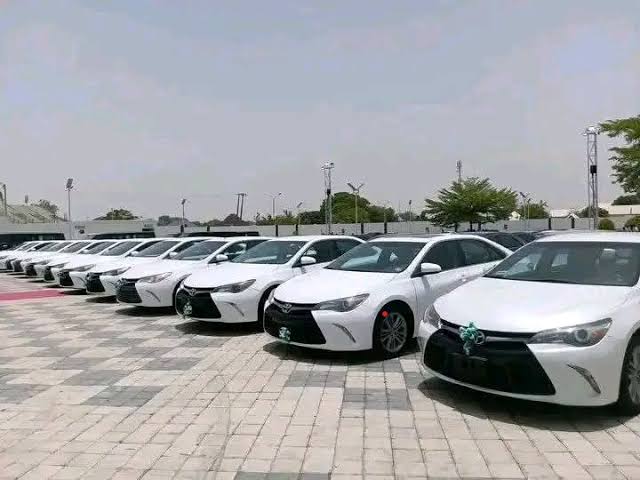
In a move to strengthen traditional institutions and enhance grassroots governance, the Bauchi State Government has distributed 186 vehicles to newly appointed emirs, chiefs, and district heads across the state.
The allocation includes 14 GMC SUVs, 14 brand-new utility vehicles, 14 buses, and 114 Toyota Camry cars designated for district heads.
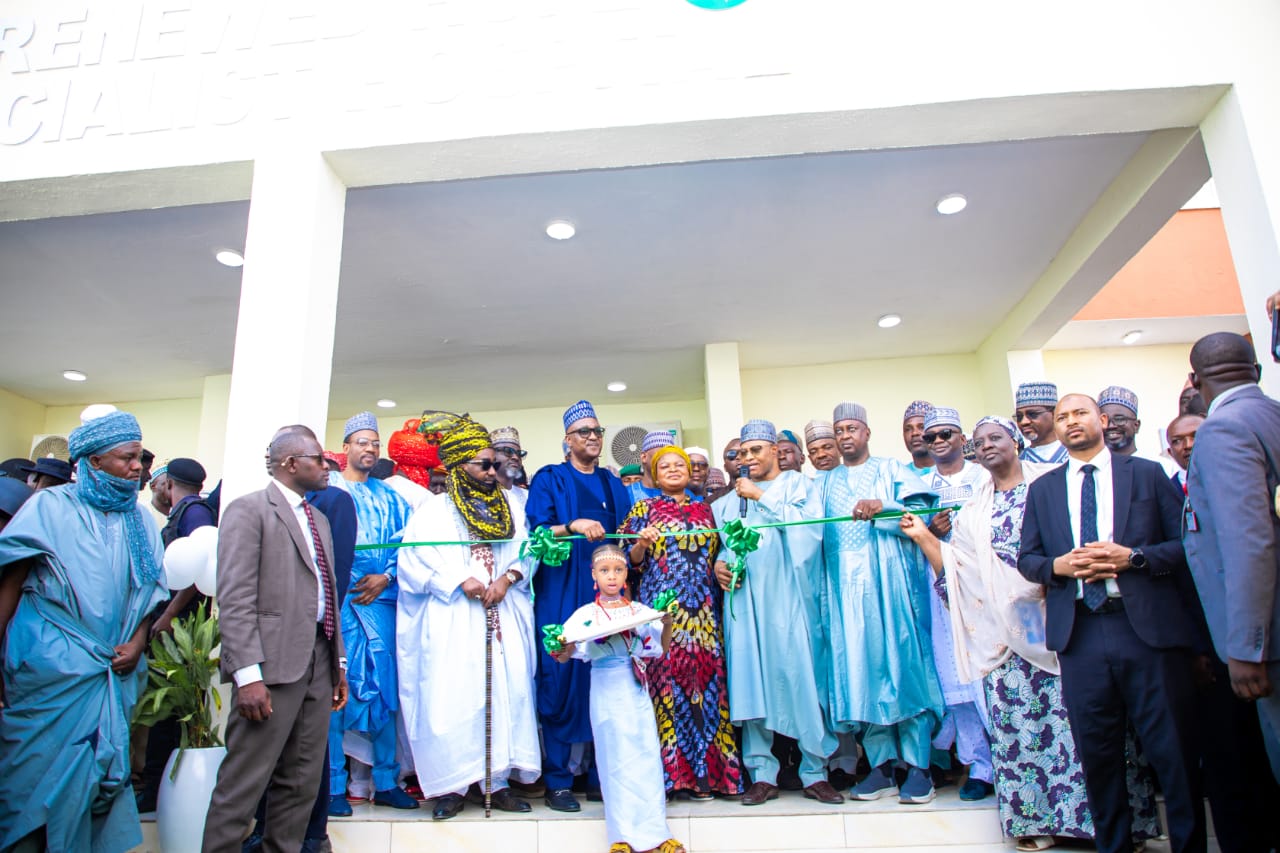
Speaking during the presentation of keys at the Dr Rilwanu Suleiman Adamu Square, the governor reaffirmed his administration’s commitment to enabling traditional institutions to operate in line with the customs and traditions of the people.
He stressed the critical role of traditional institutions in governance, describing them as the closest authority to the people at the grassroots and custodians of culture and traditions.
Bala Mohammed said the distribution of the vehicles carries both symbolic and practical significance, describing the gesture as more than a routine exercise.
According to him, “The traditional rulers remain the custodians of our values, the link between government and the grassroots, and the voices of the people. Their presence inspires order, while their wisdom sustains peace.”
“These vehicles are essential instruments to enable our traditional rulers to effectively engage their communities, mediate disputes, monitor development and collaborate with security agencies,” he said.
Bala Mohammed also announced that construction of new palaces for the newly established emirates and chiefdoms had begun, with a promise to complete the projects before the end of his tenure.
He added that the government was reviewing the remuneration and welfare packages of traditional rulers, saying previous provisions no longer reflected the weight of their responsibilities.
On finances, Bala Mohammed said the government had ensured the implementation of statutory allocations of between four and six per cent from local governments to emirates, but warned that the funds must be managed with accountability.
“These resources are public funds entrusted to the institutions, not for personal use. Financial autonomy must go hand in hand with accountability,” he said.
He urged traditional rulers to remain in their domains to provide effective leadership and cautioned them against engaging in partisan politics.
According to him, “The investment was deliberate, strategic and necessary for strengthening peace, order and development at the grassroots.”
He explained that, symbolically, the gesture represents the respect, esteem and trust his administration places in traditional institutions, reaffirming their indispensable role in the governance architecture of the state.
On the practical side, the governor noted that the vehicles are essential tools to enhance mobility, improve reach and strengthen the effectiveness of traditional rulers in discharging their responsibilities, including community engagement, conflict resolution, monitoring developments and collaboration with security agencies.
Bala Mohammed emphasised that traditional rulers remain the first point of contact for the people and play a pivotal role in conflict resolution, early warning and response to security threats, community mobilisation, and the promotion of moral values and social discipline.
On welfare and administration, the governor disclosed that the present administration is reviewing and improving the emoluments of traditional rulers while ensuring the consistent release of statutory allocations to support their operations.
He, however, cautioned that such funds must be managed with transparency and accountability, warning that mismanagement would not be tolerated.
The decision, he said, was aimed at bringing governance closer to the people and improving community-level administration.
Speaking at the event, the Speaker of the Bauchi State House of Assembly, Abubakar Suleiman, said the initiative reflected the state’s commitment to inclusive grassroots governance, noting that the Assembly had earlier passed the enabling legislation for the new structures.
Speaking earlier, the Secretary to the State Government, Aminu Hammayo, described the occasion as a major milestone in the administration’s efforts to reposition traditional institutions for effective grassroots governance.
He said the gesture reflects the government’s recognition of the vital role played by emirs and district heads in maintaining peace, fostering unity and supporting development initiatives across communities.
In a vote of thanks on behalf of the emirs and district heads, the Emir of Bauchi, Alhaji Rilwanu Sulaiman Adamu, expressed deep appreciation to the governor for the gesture, describing it as a demonstration of commitment to strengthening traditional institutions.
In a vote of thanks on behalf of the emirs and district heads, the Emir of Bauchi, Alhaji Rilwanu Sulaiman Adamu, expressed deep appreciation to the governor for the gesture, describing it as a demonstration of commitment to strengthening traditional institutions.
Recall that in October 2025, Bala Mohammed signed a bill creating 13 new emirates, one chiefdom and hundreds of district heads in the state, a move that significantly expanded the state’s traditional institution structure