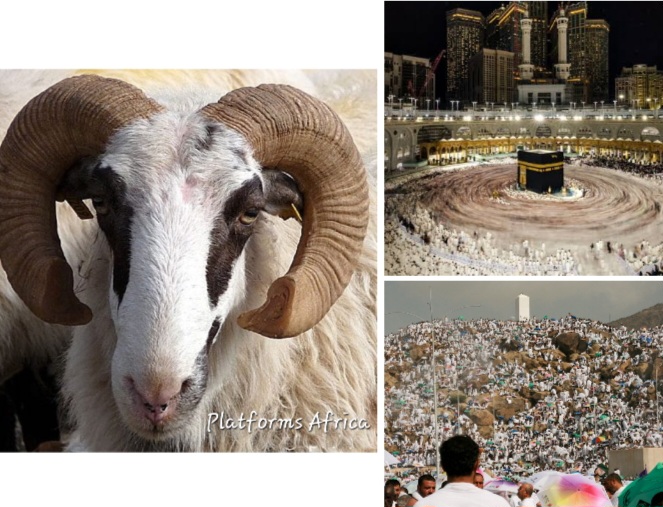
. Astronomers pick May 27 for Eid-Al-Adha, May 26 for Arafat As Two Billion Muslims Await Saudi Confirmation
. Eid-Al-Adha On A Budget: 10 tips on Sallah celebrations at a time of global crude oil price surge
Two billion Muslims in the world have begun a countdown to the 2026 Eid-Al-Adha and Arafat day as the Kingdom of Saudi Arabia made key announcements including the first day of Dhu Al Qadah 1447 AH.
NOP NIGERIA reports that the Supreme Court of Saudi Arabia announced that Sunday, April 19, 2026, marks the first day of Dhu Al Qadah 1447 AH, following the crescent moon not being sighted on Friday, April 17, 2026. Therefore, Shawwal 1447 AH completed 30 days, making Saturday, April 18, the last day of the previous month
Based on astronomical calculations and the Umm al-Qura calendar, Eid al-Adha 2026 in Saudi Arabia is expected to begin on Wednesday, May 27, 2026. Arafat Day, the main Hajj ritual, is anticipated on Tuesday, May 26, 2026.
Official confirmation depends on the Dhul Hijjah moon sighting in May 2026. Meanwhile, the final dates will be announced by the Saudi Supreme Court after viewing the Dhul Hijjah crescent moon, expected around mid-May 2026.
Poison In Your Plate: Nigeria’s Chicken and Eggs Scientists Say You Should Worry About
Adam Al-Ilory: Man of Markaz And His Memorabilia Among Muslims
Assassination Allegation: Cold War Between Habeebullah Adam Al-Ilory, Onikijipa Worsens
Israel Closes Islam Third Holiest Mosque, Al-Aqsa; Muslim Nations Kick
Israel Bars Christians From Worshipping At Church of Sepulchre on Palm Sunday
Born Same Day, Steering Nigeria’s Energy Future Same Time: Tale of The Falade Twins
The crescent moon marking the start of Dhu Al Qadah 1447 AH was also photographed from Abu Dhabi on Saturday morning by the International Astronomy Center.
The image was captured at 10:00am UAE time on April 18, 2026, from the Khatm Astronomical Observatory, with the moon located 11.7 degrees from the sun and at an age of 16.5 hours, according to observatory data.
Eid-Adha On A Budget: 10 Tips For Muslims On Sallah During High Living Costs
As Muslims globally prepare to mark the sacred occasion of Eid-Al-Adha 2026, a major, persistent surge in global crude oil prices has triggered significant inflationary pressures. This rapid rise in fuel costs has escalated transportation expenses and created severe economic constraints, resulting in a dramatic, often double or triple, increase in the cost of sacrificial animals and staples.
Here are tips for a more frugal, yet still meaningful, celebrations
1. With families looking to balance religious obligations against rising living costs, this year requires a shift toward more frugal, yet still meaningful, celebrations.
2. The primary obligation, Qurbani (the animal sacrifice), has become particularly challenging to afford. To mitigate this, many families are adopting the strategy of pooling resources with neighbors, friends, or extended family members to buy a communal cow or camel rather than buying a full ram individually. This approach fulfills the religious obligation at a fraction of the cost, ensuring the tradition continues despite the high prices of individual sacrificial animals.
3. For those who still choose to buy a personal animal, shopping early is essential to avoid the last-minute price gouging commonly seen at cattle markets. Many experts advise purchasing animals at least two weeks before the festivities to secure lower prices.
4. With travel expenses rising due to increased fuel prices, limiting unnecessary travel and visiting local relatives instead of making long-distance journeys is a key strategy for keeping costs down. This allows families to focus resources on the core Eid festivities rather than logistics.
6. In terms of the celebratory feast, planning the menu and buying food staples in bulk helps reduce household expenses significantly. Rice, oil, and spices should be purchased early to avoid inflation-driven price spikes closer to the date.
7. Embracing DIY (Do-It-Yourself) and home-cooked meals over expensive restaurant dining or pre-packaged catering is another practical way to celebrate while respecting a strict budget. Sharing cooking responsibilities among family members can turn preparation into a fun, cost-effective activity.
After NOP NIGERIA report, Nigerian Police To Get 20% Salary Upgrade
Adeola Yusuf, PhD: Profile of A Prolific Pen-Pusher
‘Death Per Second,’ How Doctors’ Illegible Handwriting Caused 137,000 Deaths In 1 Year
Poison In Your Plate: Nigeria’s Chicken and Eggs Scientists Say You Should Worry About
Skipping Just One Night Of Sleep Makes You More Likely To Get Sick – Study
‘Not Children,’ Real Owners of Your Breasts Are Your Husbands — Pastor Warns Wives
8. Regarding the Sunnah of wearing new clothes, families are encouraged to re-purpose clothes or shop for high-quality items that can be used long after the holiday, rather than purchasing flashy, single-use outfits. This fosters a more sustainable and thoughtful approach to consumption.
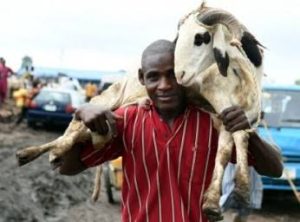
8. Giving back through simplified charitable donations ensures that the less fortunate are not forgotten, even when funds are tight. Instead of high monetary donations, focusing on the traditional, mandatory distribution of one-third of the Qurbani meat to the poor ensures the spiritual essence of the sacrifice remains intact.
9. Decorating the home with existing or handmade items reduces costs while maintaining a festive spirit. Utilizing reusable decorations, such as traditional lights or ornaments from previous years, and encouraging children to create handmade decorations saves money and adds a personal touch. To avoid starting the post-Eid period in debt, it is essential to set a strict, realistic budget and prioritize using cash over credit cards. Tracking expenditures closely ensures the family does not overspend on non-essential items.
10. Finally, the most significant preparation for 2026 is spiritual readiness and gratitude. By focusing on the story of Prophet Ibrahim and the true meaning of sacrifice, families can find deep joy and contentment in the celebration, regardless of the economic situation.
Ultimately, while the economic environment in 2026 presents challenges, the essence of Eid-Al-Adha remains the same: sharing blessings, fostering community, and expressing gratitude. Through thoughtful, early planning, it is possible to uphold these sacred traditions in a way that is both meaningful and financially responsible.
NOP NIGERIA