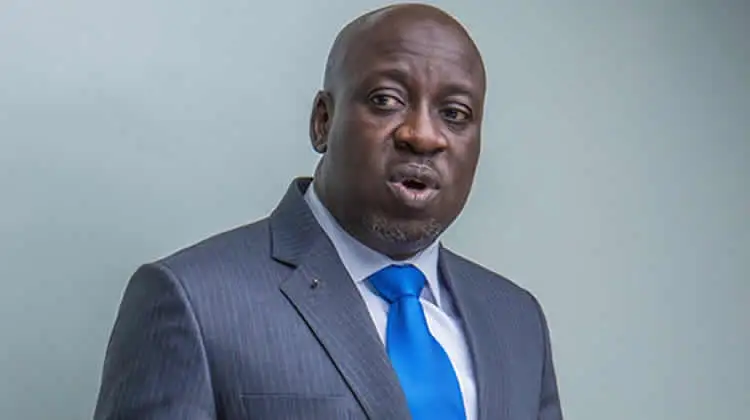
The guild described the move as dangerous and injurious to journalism, warning that it could undermine press freedom and editorial independence
The Nigerian Guild of Editors has raised concerns over a move by the National Broadcasting Commission to sanction broadcast presenters accused of expressing personal opinions as facts or bullying guests during programmes.
In a statement issued on 21 April and signed by its President, Eze Anaba, and General Secretary, Onuoha Ukeh, the guild described the move as dangerous and injurious to journalism, warning that it could undermine press freedom and editorial independence.
The editors said although the NBC may be aiming to enforce professionalism and ethical standards, its position appeared vague and open to multiple interpretations, creating room for misuse and selective application against journalists and media organisations.
They noted that the interpretation of the 6th edition of the Nigeria Broadcasting Code, particularly in news and political programmes, is inherently subjective. According to the guild, allowing the commission to act as the sole judge of what constitutes appropriate questioning could lead to abuse and encourage self-censorship among broadcasters.
“By positioning itself as the sole arbiter regarding rigorous questioning or appropriate scrutiny, the NBC opens the door to potential abuse. This approach risks weaponizing the broadcasting code to induce self-censorship among broadcasters, stifle legitimate journalistic inquiry, and silence critical voices.
“We reiterate that the role of broadcast presenters and journalists, particularly during interviews, is to ask probing questions, challenge inconsistencies, and demand clarity in the public interest. Journalism is not designed to place public officials or interviewees in a comfort zone, but to hold power accountable,” the statement read.
The statement comes as the country approaches another election cycle, a period the editors said requires heightened media vigilance. They emphasised that citizens depend on the media for accurate and comprehensive information to make informed decisions.
The NBC had issued a formal notice to broadcast stations, warning of stricter enforcement of the Nigeria Broadcasting Code over what it described as declining professional standards in news and political programming.
The commission cited a rise in ethical breaches, including presenters injecting personal opinions into broadcasts, failure to ensure balance, and the use of platforms for divisive or inflammatory content, warning that such infractions would attract sanctions.
However the guild, while acknowledging the need for professionalism and civility, warned against weakening journalism through excessive regulation. It reiterated that democracy thrives on bold and responsible reporting, not timid engagement with public issues.
The editors also urged regulatory bodies to operate within transparent and clearly defined frameworks that do not erode media independence. They called on the NBC to demonstrate restraint and distinguish between genuine misconduct and legitimate journalistic practice.
“Journalists are not lawbreakers. They are trained professionals guided by enduring ethical standards, including the principle that “comment is free, but facts are sacred.
“We therefore urge regulatory bodies to operate within clearly defined, transparent, and fair frameworks that do not undermine the independence of the media.
“The NBC must demonstrate impartiality and restraint, carefully distinguishing between genuine misconduct and the rightful exercise of journalistic duty,” the statement added.
Reaffirming its stance, the guild said the Nigerian press would not be intimidated and remains committed to asking tough questions and reporting without fear or favour.
The NBC was established in 1992 by the military regime to regulate and license broadcasting in Nigeria, ensuring fairness, professionalism, and adherence to public interest standards.
However, it has repeatedly faced criticism from media and civil society groups, who accuse it of using its regulatory powers to sanction critical outlets and potentially stifle press freedom.