1 / 10
The Earth is divided into seven continents—Asia, Africa, North America, South America, Antarctica, Europe, and Australia. Most countries lie entirely within one continent, while a few span more than one. These are broadly classified into two types: contiguous transcontinental countries and non-contiguous transcontinental countries.
 2 / 10
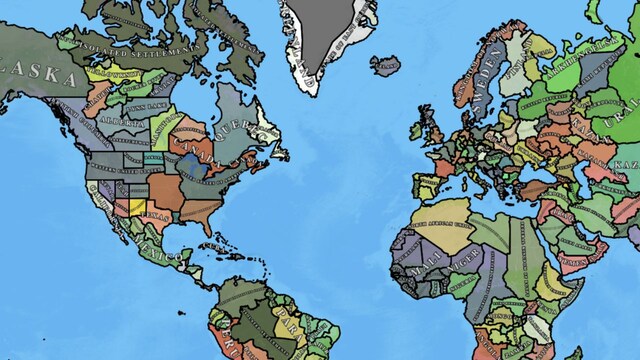
Contiguous transcontinental countries are those whose land extends across more than one continent. These nations physically connect different parts of the world through a continuous landmass.
 3 / 10
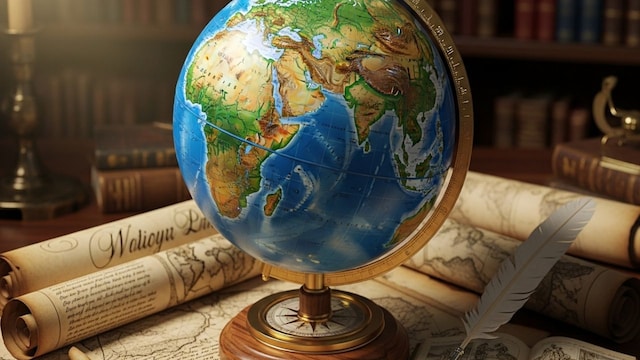
In some cases, natural or historical boundaries divide continents in a way that places a single country on two continents at once. Here’s a look at countries that span multiple continents and how they are classified into contiguous and non-contiguous types
 4 / 10
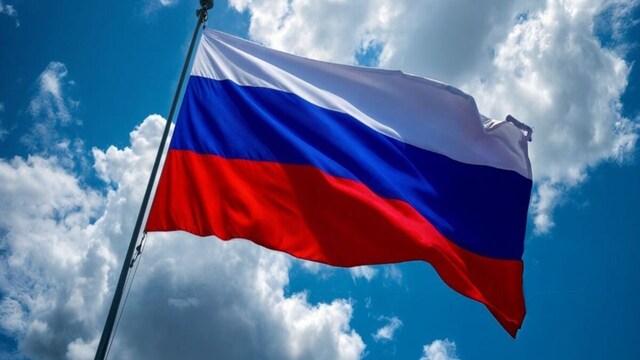
Russia is the largest contiguous country in the world, spanning both Europe and Asia. In terms of distribution, about 77% of its territory lies in Asia, while the remaining 23% is located in Europe.
 5 / 10
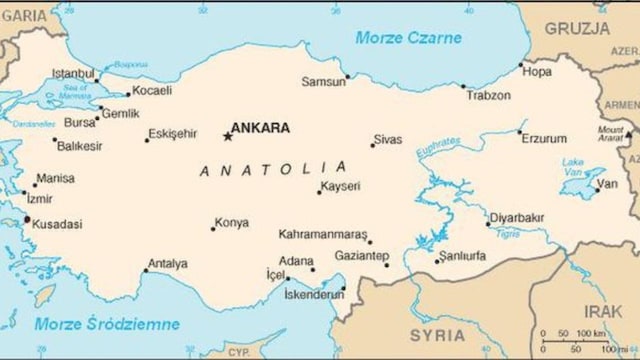
Turkey spans both Europe and Asia. The majority of its territory lies in Asia, with a smaller portion in Europe.
 6 / 10
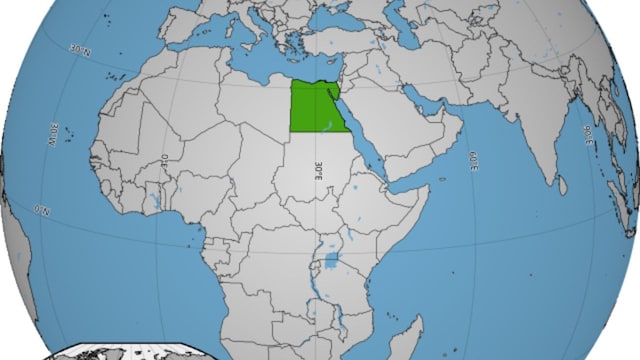
Egypt is mainly in North Africa, but is a transcontinental country. The Sinai Peninsula lies in Asia, while the rest of the country is in Africa.
 7 / 10
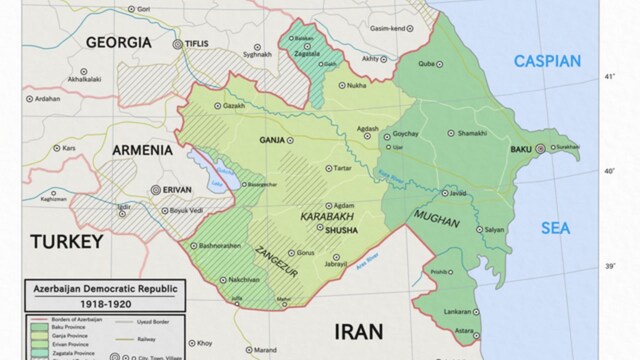
Azerbaijan is a transcontinental country, mostly located in Asia, with a small part north of the Greater Caucasus considered part of Europe.
 8 / 10
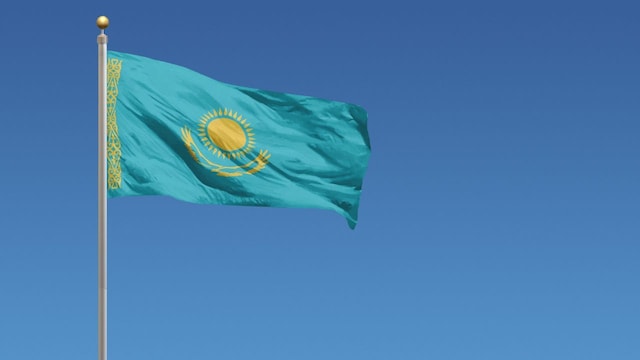
Kazakhstan is a transcontinental country located mainly in Central Asia, with a smaller part of its territory west of the Ural River in Eastern Europe.
 9 / 10
The other type is non-contiguous transcontinental countries, where a country has separate territories located on different continents. These include nations with overseas territories or possessions.
 10 / 10
Non-contiguous transcontinental countries include France, the United States, the United Kingdom, Spain, Portugal, the Netherlands, and Denmark, all of which have territories located in more than one continent but not connected by a continuous landmass.