According to the advisory, parts of Adamawa, Kaduna, Kogi, Niger, Plateau and Taraba states in the north, as well as Osun and Oyo in the South-west, alongside Enugu and Kwara states, are expected to witness heavy rainfall between 13 and 17 April
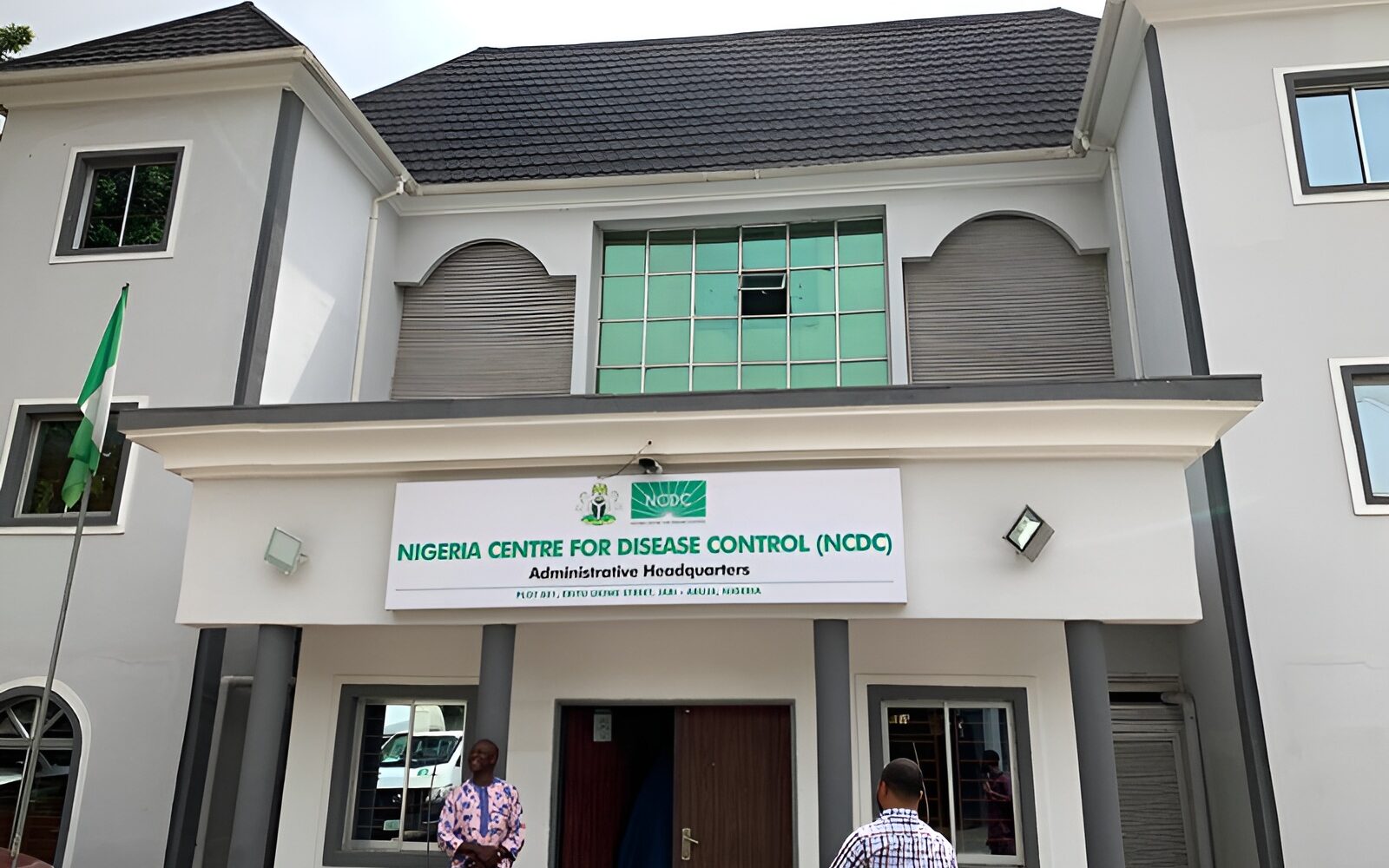
The Nigeria Centre for Disease Control and Prevention (NCDC) has warned that several states across northern and south-west Nigeria may experience heavy rainfall and possible flooding in the coming days.
The agency disclosed this in an advisory shared with PREMIUM TIMES on Wednesday, citing flood predictions from the Federal Ministry of Environment and the Nigerian Meteorological Agency (NiMET).
According to the advisory, parts of Adamawa, Kaduna, Kogi, Niger, Plateau and Taraba states in the north, as well as Osun and Oyo in the South-west, alongside Enugu and Kwara states, are expected to witness heavy rainfall between 13 and 17 April.
Cholera is an acute diarrhoeal disease caused by infection with the bacterium Vibrio cholerae, and is usually transmitted through contaminated water or food.
The infection is closely linked to poor access to safe water, inadequate sanitation, and unhygienic living conditions, factors that are often worsened during flooding.
The NCDC said its warning comes at a critical period when cholera cases typically begin to rise across the country.
It noted that recent national surveillance data already show increasing cholera activity in multiple states, raising concerns about potential outbreaks.
According to the agency, flooding during this period could significantly worsen the situation by contaminating drinking water sources, disrupting sanitation systems, and increasing exposure to unsafe environmental conditions.
The health body, however, stressed that the risks are preventable with early action, particularly through improved hygiene practices and access to safe water.
The NCDC highlighted several health risks associated with flooding, including cholera and other diarrhoeal diseases, malaria and other mosquito-borne infections, as well as infections resulting from contact with contaminated floodwaters.
It also warned of possible injuries such as drowning and snakebites, and disruptions to access to healthcare services in affected communities.
The agency urged residents in affected and at-risk areas to take precautionary measures, including using safe water for drinking and cooking by boiling, chlorinating, or opting for bottled water.
It also advised regular handwashing with soap and clean water, particularly before eating and after using the toilet, and urged residents to avoid contact with floodwater.
The NCDC further called for proper sanitation practices, including safe waste disposal and the avoidance of open defecation, as well as safe handling and storage of food.
Residents were also encouraged to sleep under insecticide-treated nets to prevent mosquito bites and to seek immediate medical attention if they experience symptoms such as diarrhoea, vomiting, or fever.
The agency said community leaders and local authorities have a critical role to play in preventing outbreaks.
It urged them to support environmental sanitation and drainage clearance, promote access to safe water and hygiene practices, encourage early reporting of suspected illnesses, and ensure the dissemination of accurate public health information.
The NCDC said it is working closely with state ministries of health and relevant partners to strengthen surveillance, improve preparedness, and support rapid response efforts in affected areas.
It added that state governments are being supported to activate multisectoral response mechanisms, particularly in water, sanitation, and emergency management.
The agency emphasised that early action, community vigilance, and prompt care-seeking remain key to preventing disease outbreaks and saving lives.