Tensions in the strategically vital Strait of Hormuz escalated sharply on Saturday after Iran reportedly opened fire on two merchant vessels attempting to transit the waterway, following its decision not to reopen the critical oil route. Two Indian vessels also have had to reverse course in the Strait of Hormuz following the gunfire, a vessel-tracker said.
The latest development comes amid an intensifying maritime standoff between Iran and the United States, raising fresh concerns over global energy supply disruptions and shipping security in one of the world’s busiest oil corridors.
Iran said it had reimposed military control over the strait after the US blocked its ports, effectively tightening its grip over a passage through which nearly a fifth of global oil consumption flows.
The US, through the United States Central Command, confirmed enforcing a complete maritime blockade on ships entering or exiting Iranian ports and coastal areas.
“U.S. Central Command has initiated a full maritime interdiction effort targeting Iranian coastal operations. Vessels attempting to enter or exit Iranian-controlled ports will be subject to inspection and possible denial of passage,” CENTCOM said in a statement.
Following the move, at least 23 vessels reportedly reversed course, highlighting the immediate disruption to commercial shipping.
Gunfire reported near Oman; vessels safe
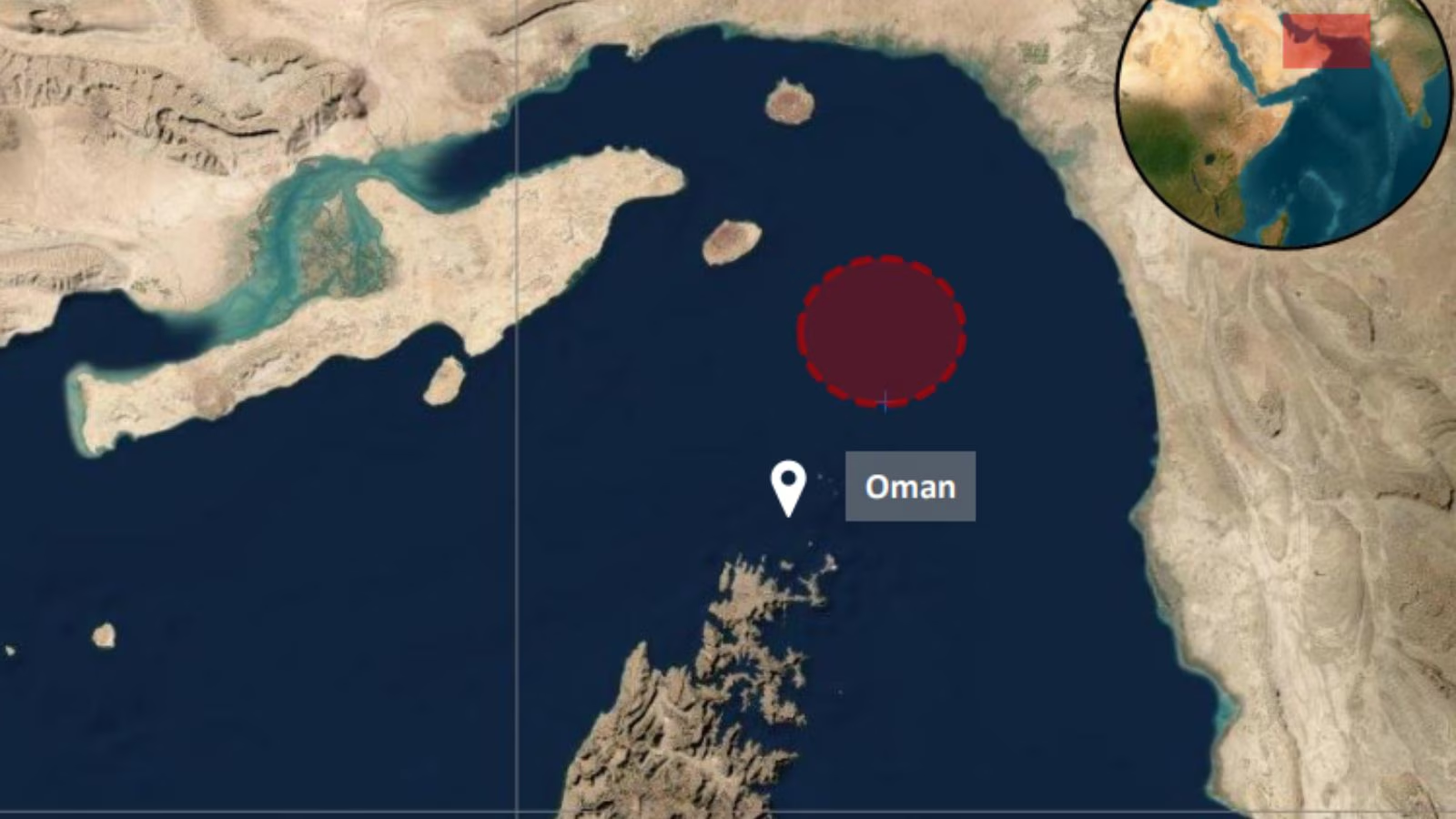
According to the UK Maritime Trade Operations, the incident took place approximately 20 nautical miles northeast of Oman. Two Islamic Revolutionary Guard Corps (IRGC) gunboats reportedly approached the vessels without issuing a VHF radio challenge before opening fire.
UKMTO WARNING 039-26
Click here to view the full Warning⤵️ https://t.co/kokk53oQS5#MaritimeSecurity #Marsec pic.twitter.com/YusvXzSJTh
— UKMTO Operations Centre (@UK_MTO) April 18, 2026
Despite the escalation, the targeted tanker and its crew were reported safe. Authorities have launched further investigations into the incident.
Story continues below this ad
Iran’s navy also issued radio warnings to multiple merchant vessels in the region, signalling tighter enforcement measures in the strait, Reuters reported.
Strong rhetoric from Iran’s leadership
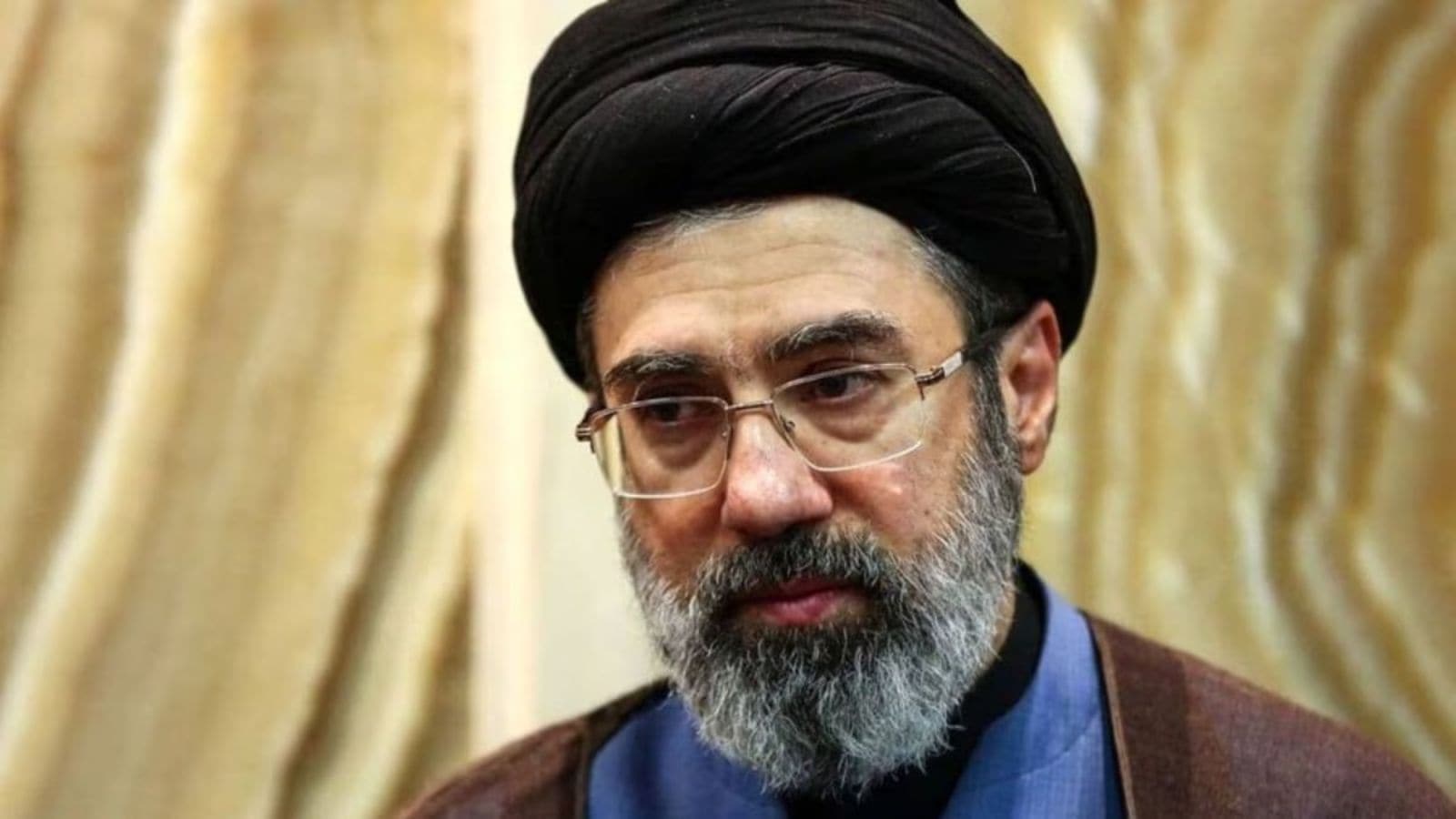
Shortly after the incident, Iran’s Supreme Leader Mojtaba Khamenei said, “Iran’s navy is ready to inflict “new bitter defeats” on its enemies,” in a statement posted on Telegram.
The remarks signal a hardening stance from Tehran amid mounting geopolitical pressure and military posturing in the Gulf region.
US blockade continues under Trump administration
The escalation follows an announcement by US President Donald Trump confirming the continuation of a full-force naval blockade of the Strait of Hormuz.
Story continues below this ad
The blockade is part of broader efforts by Washington to restrict Iran’s maritime activity and limit its oil exports, a move that has drawn strong retaliation threats from Tehran.
Indian vessels among those impacted
The situation has already begun affecting international shipping, including Indian-linked vessels.
Two Indian ships transiting the strait reversed course following reports of IRGC gunfire. TankerTrackers.com reported that one of the ships was an Indian supertanker carrying approximately two million barrels of Iraqi crude oil.
First transit attempts since February war
The incident comes during a fragile phase in regional tensions. Earlier, eight tankers had reportedly begun transiting the strait — marking the first such movement since the outbreak of the US-Israel-Iran conflict on February 28, 2026.
Story continues below this ad
The seven-week conflict began after a joint military strike by the US and Israel on Iran, followed by retaliatory attacks by Tehran targeting Israeli and American bases across the Middle East.
Diplomatic efforts are currently underway, with a two-week ceasefire window in place until April 22, 2026. The first round of US-Iran talks was held on April 7, mediated by Pakistan, offering a narrow opening for de-escalation even as ground realities remain volatile.
Why the Strait of Hormuz matters
The Strait of Hormuz remains one of the most critical chokepoints in global trade. Any disruption to traffic through the narrow passage, bordered by Iran and Oman, has immediate implications for global oil prices, supply chains, and geopolitical stability.
Saturday’s incident highlights how quickly tensions in the region can escalate, even amid ongoing ceasefire negotiations, keeping global markets and governments on high alert.