(Photo Credit : AP)
 1 / 10
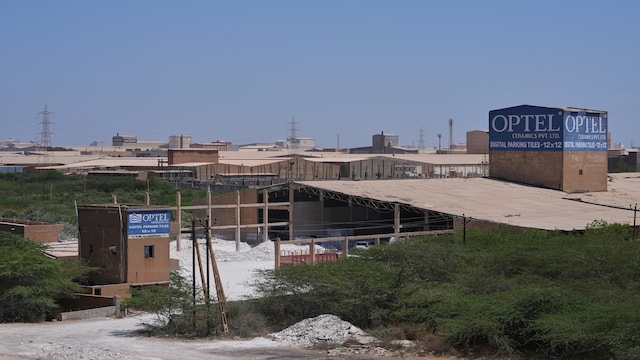
Silent Kilns: Morbi in Morbi, which produces over 80% of India’s ceramic tiles, has been unusually quiet for about a month, with most factories shut and industrial activity reduced after the war in Iran disrupted fuel supplies needed for production.
(Photo Credit : AP)
2 / 10Fuel Shortage: Since the conflict began, there has been insufficient fuel for kilns used to make tiles, and the fuel that is available has become too expensive for most factories to operate, as the industry relies on natural gas imports that pass through the Strait of Hormuz.
(Photo Credit : AP)
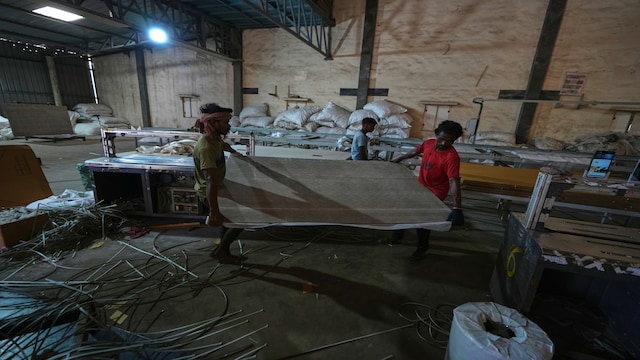
3 / 10Export Base: Morbi, located in Gujarat, grew as a major export hub due to its proximity to ports on the Arabian Sea and the availability of raw materials nearby, helping it support large-scale tile manufacturing and international shipments before the current disruption.
(Photo Credit : AP)
4 / 10Worker Shifts: Many workers have been forced to look for other jobs, while others have returned to their home states, leaving only a small number employed to carry out maintenance work in factories that are not producing tiles during the ongoing fuel shortage.
(Photo Credit : AP)
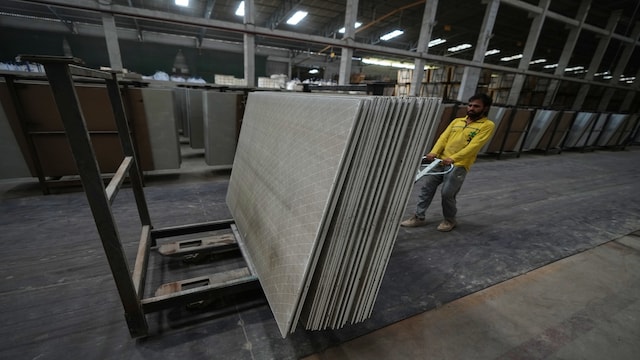
5 / 10Few Running: Hareshbhai Bhadja of GC Granito said that out of around 650 to 700 manufacturing units, only four to five large factories are still operating, as they can afford to use more expensive propane gas, while most smaller units remain closed.
(Photo Credit : AP)
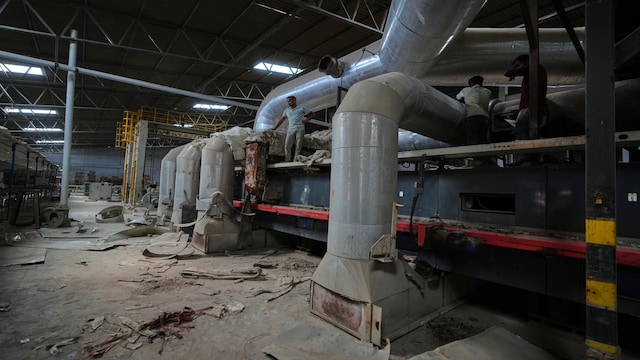
6 / 10Ceasefire Effect: A recent ceasefire has brought some hope to manufacturers in Morbi, as it may help stabilise fuel supply, although the situation remains uncertain and full recovery depends on consistent availability of affordable energy for production.
(Photo Credit : AP)
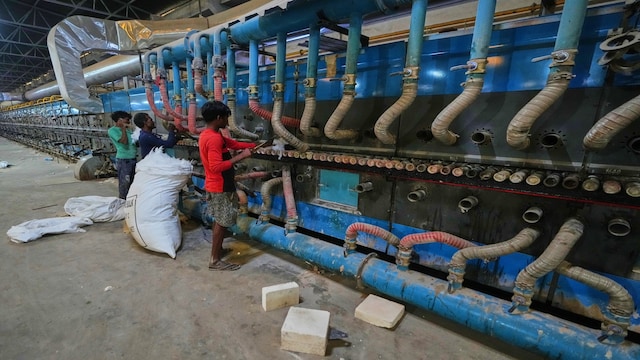
7 / 10Supply Assurances: Some factories have started reopening after receiving supply assurances from Gujarat Gas, but it is still unclear whether fuel prices will return to levels seen before the war, which is important for restoring normal production levels.
(Photo Credit : AP)
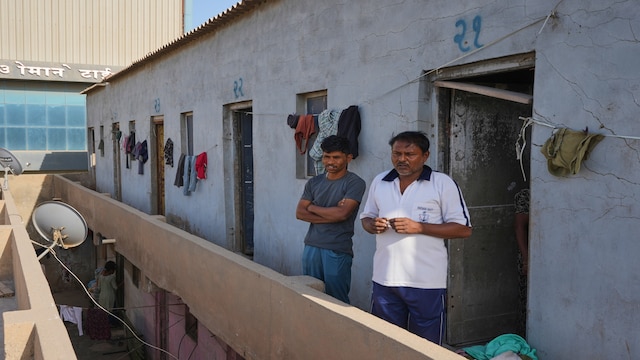
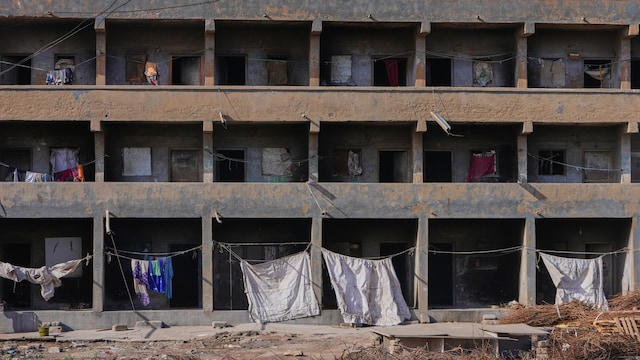
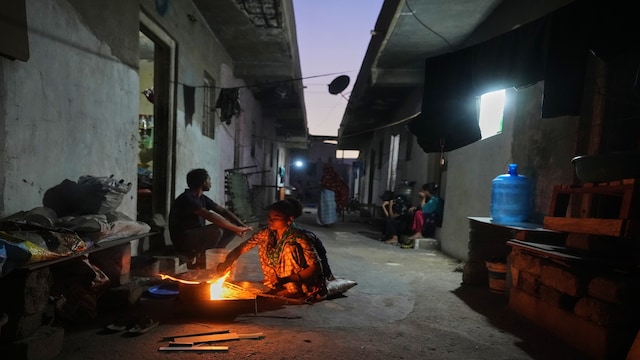
8 / 10Empty Housing: Photographs show migrant workers sitting in largely deserted housing quarters, with families present in otherwise empty residential areas, reflecting how factory closures have reduced the number of people staying near industrial sites.
(Photo Credit : AP)
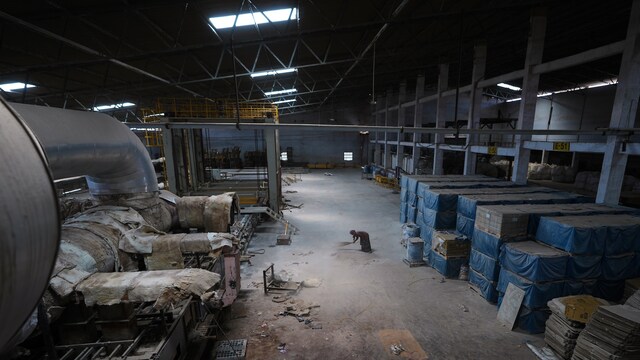
9 / 10Closed Units: Images also show closed ceramic factories and workers performing maintenance tasks such as cleaning and repairing machines, indicating that production has stopped while limited staff maintain equipment during the shutdown.
(Photo Credit : AP)
10 / 10Changed Routines: Other photos show migrant workers cooking with firewood or coal, carrying and stacking tiles where limited work continues, and families returning to their quarters, showing how daily routines have changed as the industry waits for fuel supply and prices to stabilise.