Iran’s Supreme National Security Council assesses that public protests are inevitable as the country’s economy faces potential collapse within weeks, according to sources familiar with discussions at an emergency meeting chaired by Mohammad Bagher Zolghadr.
According to opposition-linked Iran International, the regime’s security agencies presenting what sources described as a “highly critical picture” of Iran’s economic situation. The meeting was convened following internal assessments and intelligence reports warning of potential unrest in the coming days.
At the center of the crisis is the U.S. naval blockade that began April 13. Security officials estimate Iran’s economy cannot withstand more than six to eight weeks of the blockade—meaning a breaking point could arrive as early as late May or early June.
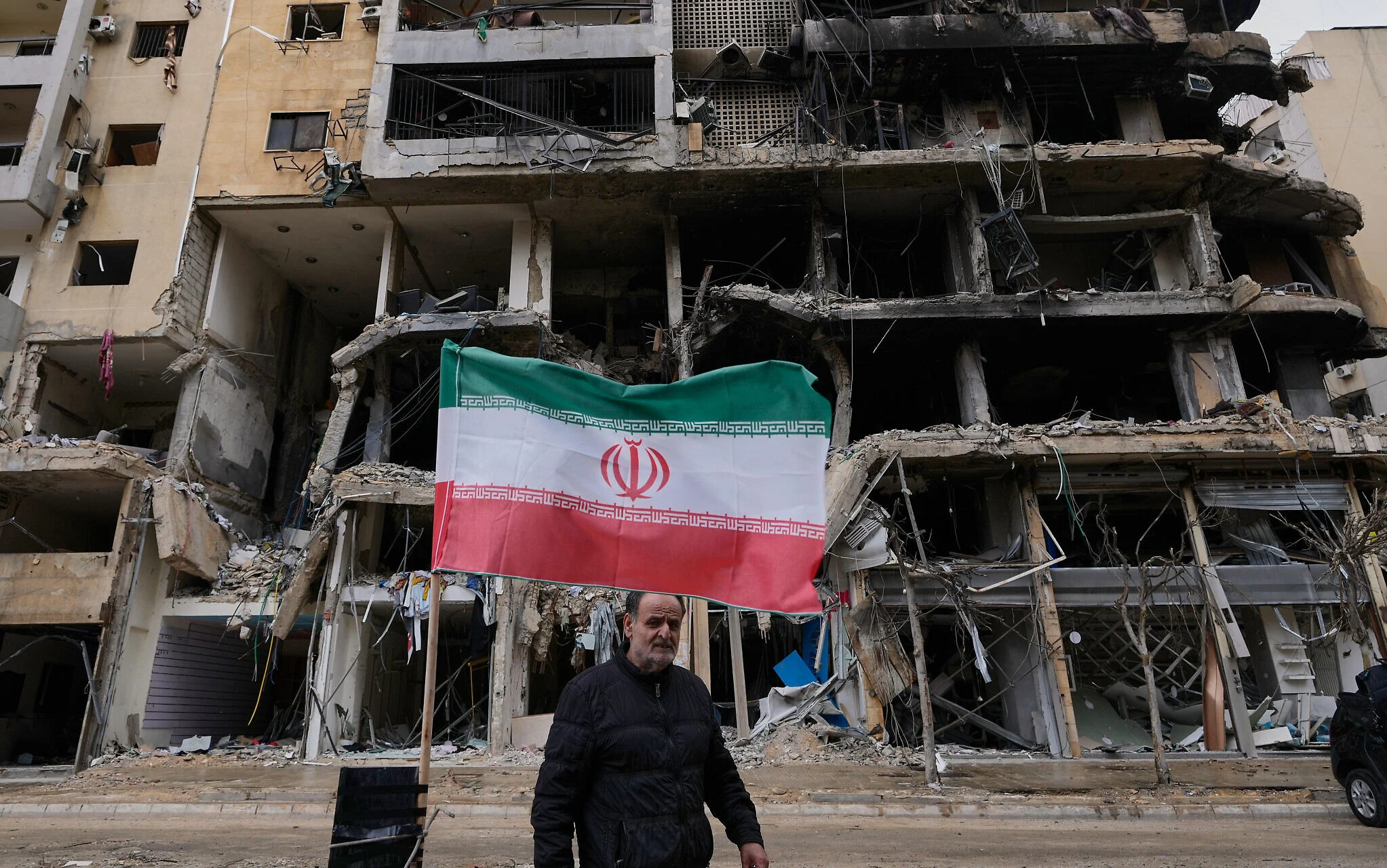
The blockade has triggered a cascading collapse across Iran’s economy. Oil, petrochemical, and steel production have been brought to near-total shutdown. The closure of financial markets—banks, the stock exchange, gold and currency exchanges—has effectively halted all economic activity. Internet disruptions have rendered approximately 20 percent of the online-dependent workforce jobless. By the end of spring, security agencies forecast an additional two million people will lose private sector jobs.
Rebuilding these shuttered industrial sectors could take years, officials said.
The economic catastrophe is already driving labor unrest. Workers, retirees, teachers, and other wage-earning groups have repeatedly staged protests over living conditions, delayed payments, and job insecurity. International Workers’ Day on May 1 has heightened official concerns that labor groups—both inside and outside Iran—will use the occasion to demand wage increases, release of detained activists, repeal of repressive rulings, and the right to form independent unions.
But the most explosive concern facing the security council involves exiled Crown Prince Reza Pahlavi. Officials expressed particular alarm over a possible call for protests by Pahlavi and the likelihood of his supporters taking to the streets. Sources said council members believe protests occurring during ongoing U.S. talks or following a ceasefire extension could pose an existential threat to the Islamic Republic.
“Public protests are inevitable, with the only uncertainty being the timing of their outbreak,” according to the assessment presented at the meeting.
(YWN World Headquarters – NYC)