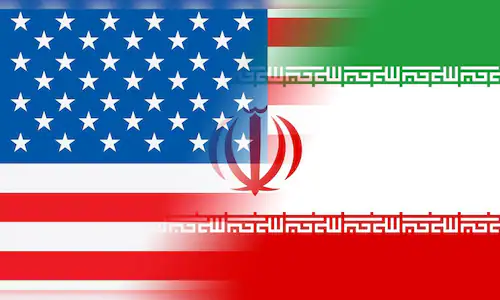
Speaking to CNBC-TV18, El-Abd said Iran’s negotiating stance has been shaped by past experiences where “their trust was used”, adding that rebuilding credibility is essential for progress. “We have to understand that the Iranians have said from day one that trust is what shapes these negotiations for them,” she noted. Despite the hardened rhetoric from Tehran, she said there are still signs that Iran could return to the table, though “it will depend on rebuilding trust”.
Her comments come at a critical juncture, with just a day left before the two-week ceasefire expires. US President Donald Trump has maintained that an extension is “unlikely”, even as Washington pushes for a deal. The US blockade of the Strait of Hormuz remains a major sticking point, with Tehran viewing it as a breach of good faith.
Former Indian Ambassador to the US Meera Shankar said the blockade and recent seizure of an Iranian vessel have significantly worsened mistrust. “The Iranians clearly believe that the US blockade… was an act in bad faith,” she said, adding that Tehran sees current US demands as “maximalist and impractical”.
El-Abd also pointed to internal dynamics within Iran, noting that while civilian and military leadership appear aligned for now, rising tensions—particularly around the Strait of Hormuz—could shift influence towards the armed forces. “When distrust becomes a matter of sovereignty… this is when the Iranian armed forces begin to take a more dominant role,” she said.
Despite these challenges, both experts highlighted pressures on Washington that could push negotiations forward. El-Abd said the US faces a legal constraint, with the current military operation approaching a 60-day limit that would require Congressional approval if extended. “There is an understanding that the US currently needs a resolution more urgently,” she said, suggesting this gives Tehran some leverage.
Shankar echoed this view, noting that domestic political considerations are also shaping US strategy. While Trump is seeking a quick resolution, sections of his support base remain wary of prolonged military engagement, even as he aims to secure a stronger outcome than previous agreements.
On the ground, confusion persists over the status of talks. While reports suggest a US delegation led by JD Vance is heading to Islamabad, Iranian state media has denied that any delegation from Tehran is en route. El-Abd said such last-minute uncertainty is consistent with Iran’s negotiating style, where strong public positions are often followed by late-stage engagement.
The broader economic backdrop remains fragile. The Strait of Hormuz blockade has triggered a sharp energy shock, with crude oil prices holding above $90 per barrel. International Energy Agency chief Fatih Birol has warned of one of the world’s worst energy crises, while European officials say supply pressures could intensify in the coming months.
Also Read | Trump: New deal with Iran will be better than old one
At the same time, regional tensions remain elevated. Israel continues strikes in Lebanon despite the ceasefire, even as parallel diplomatic efforts between Israel and Lebanon are being prepared. El-Abd stressed that these tracks are interconnected, with Iran continuing to push for a Lebanon ceasefire as part of the broader negotiation framework.
For now, markets and policymakers alike are watching closely. While the rhetoric remains tough and mistrust runs deep, both experts suggest that the urgency on all sides could still pave the way for a last-minute deal.