Project Freedom was launched after maritime traffic through the Strait of Hormuz was severely disrupted, leaving thousands of civilians stranded aboard commercial ships in the Persian Gulf.
The operation sought to restore global trade flows through the strategic passage, which accounts for nearly 20% of the world’s oil supply, while providing security cover to neutral vessels transiting the region.
As part of the mission, United States Central Command established an “Enhanced Security Area” through Omani waters to shield ships from drones, mines and fast-boat attacks.
The deployment included guided-missile destroyers, the USS Tripoli strike group, unmanned platforms and more than 100 aircraft, including F-16s, F-35s and Sea Hawk helicopters tasked with round-the-clock defensive overwatch.
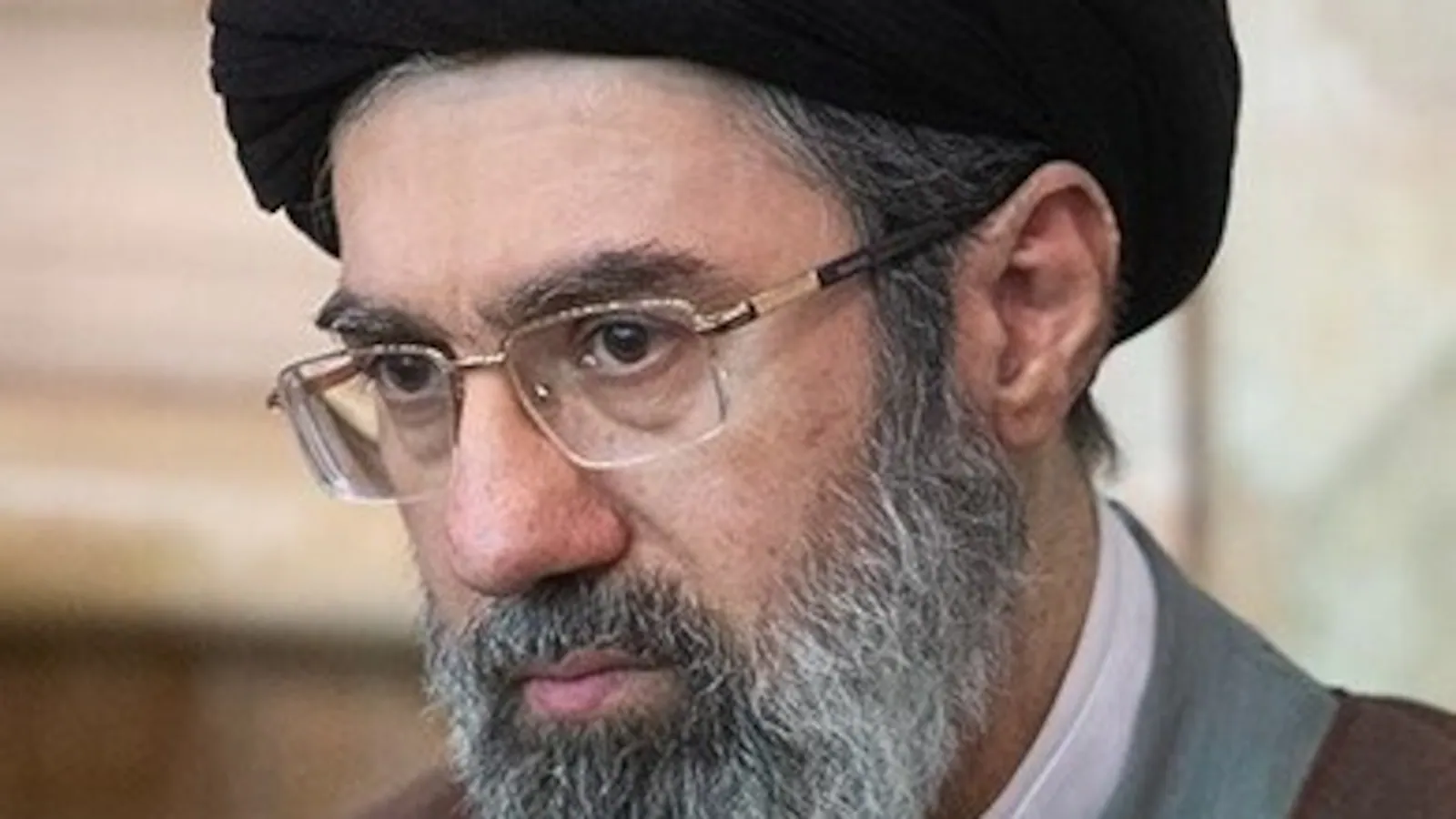
Trump also said Iran has requested that the US would need to retrieve the “nuclear dust” from the country’s destroyed nuclear facilities, arguing that Tehran lacks the technology to recover the material on its own.
Also Read: Strait of Hormuz closure causing 100 million-barrel weekly oil loss: Aramco
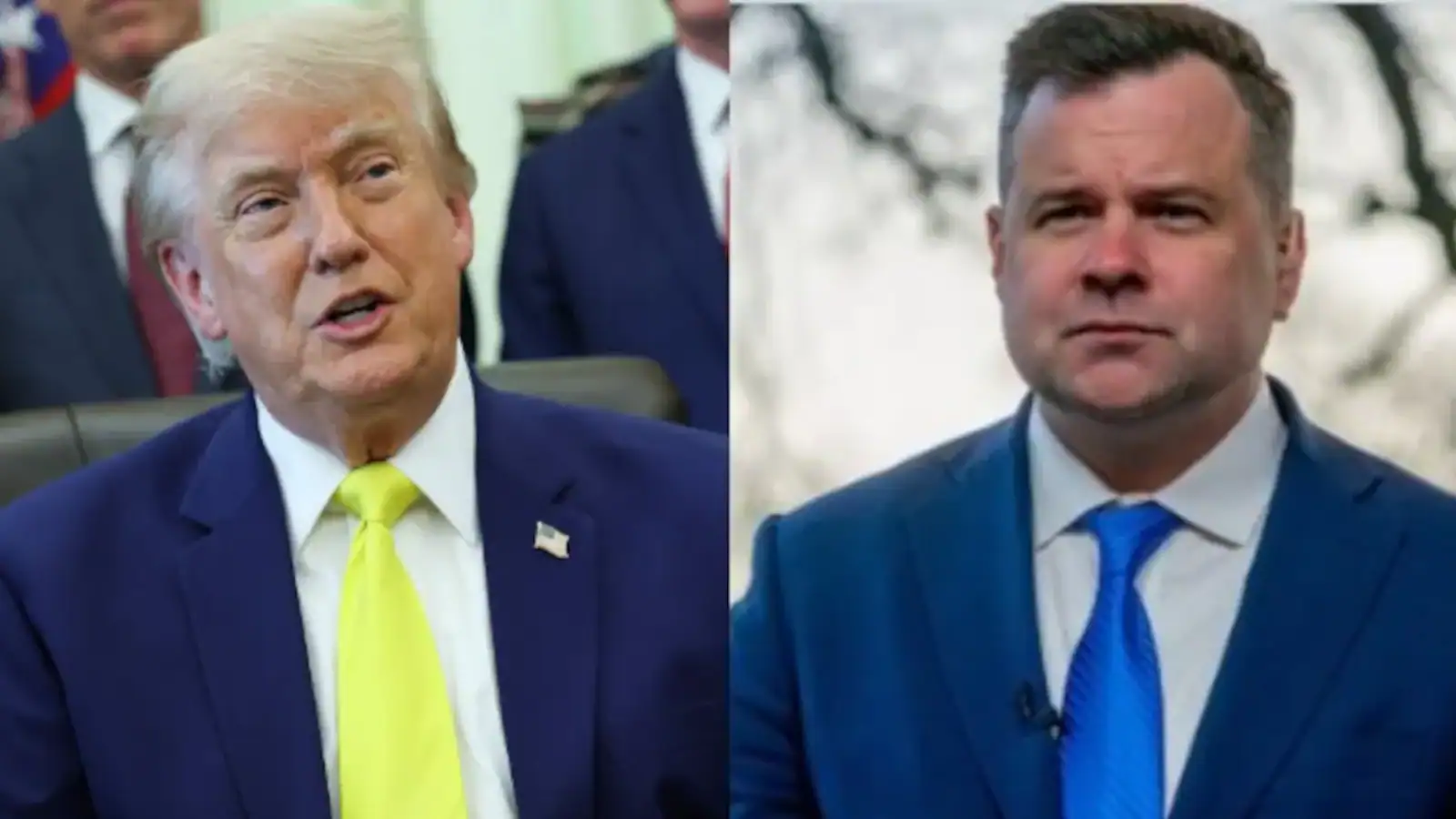
Earlier on May 5, Donald Trump said the US operation to reopen the Strait of Hormuz, dubbed “Project Freedom”, would be paused for a short period to assess whether a potential agreement could be finalised and signed.
However, Trump had clarified that the blockade would remain in force despite the temporary pause in operations.
Also Read: Why PM Modi wants Indians to avoid buying gold for a year