 1 / 10
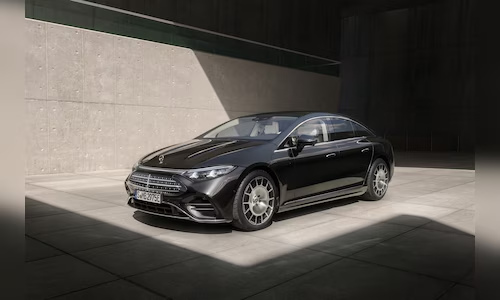
Global Reveal: Mercedes-Benz has unveiled the facelifted EQS, updating its flagship electric sedan with changes to design, powertrain, and onboard technology. The mid-cycle revision introduces an 800-volt electrical architecture, improved battery efficiency, and expanded feature sets. The update represents a significant overhaul, with the manufacturer stating that more than a quarter of vehicle components have been revised.
 2 / 10
Range Boost: The updated EQS 450+ now delivers a claimed WLTP range of up to 926 km, marking an increase of around 13 percent over the previous model. This positions it among the longest-range electric sedans globally. Other variants, including the EQS 400, EQS 500 4MATIC, and EQS 580 4MATIC, also benefit from improved efficiency and extended driving ranges.
 3 / 10
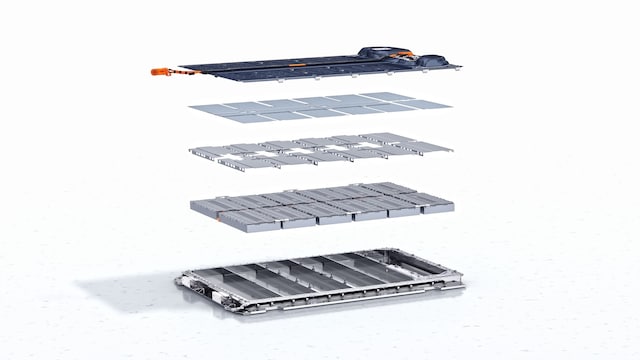
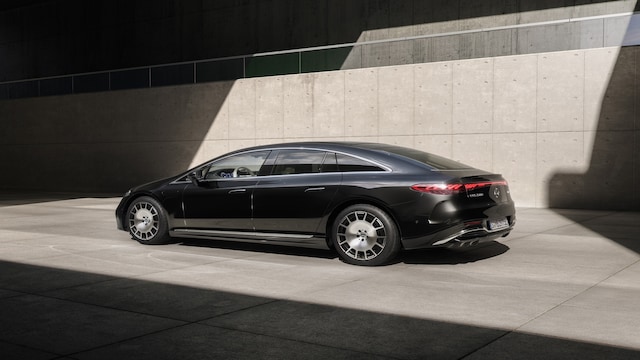
Battery Tech: Battery capacity has been increased to a maximum of 122 kWh, while select lower variants retain a 112 kWh unit. The updated battery uses revised cell chemistry and structural changes to improve usable energy density. Despite these changes, the physical size of the battery pack remains unchanged, maintaining packaging efficiency within the existing vehicle architecture.
 4 / 10
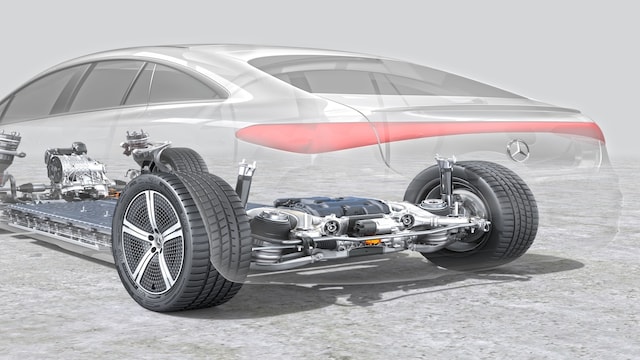
Fast Charging: The adoption of an 800V system enables DC fast charging at up to 350 kW. Under optimal conditions, the EQS can gain close to 320 km of range in approximately 10 minutes. When connected to 400V chargers, the system splits the battery into two sections to maintain charging efficiency, while also supporting bidirectional energy functions depending on market availability.
 5 / 10
Powertrain Update: The EQS lineup includes rear-wheel-drive and dual-motor configurations, with outputs ranging from about 367 hp to 585 hp. A new two-speed transmission on the rear axle improves low-speed acceleration and high-speed efficiency. Regenerative braking capacity has increased to 385 kW, enabling greater energy recovery and reducing reliance on mechanical braking in regular driving conditions.
 6 / 10
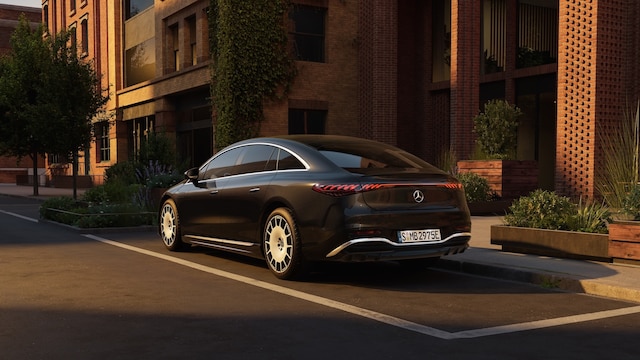
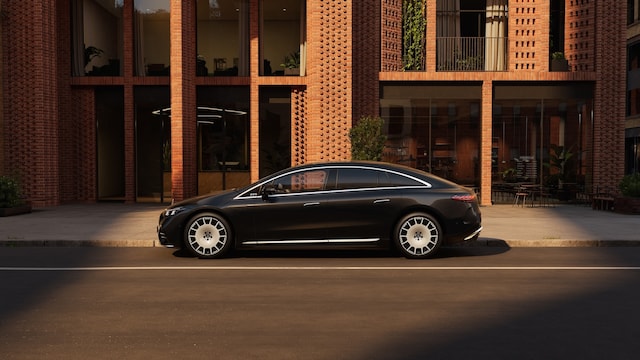
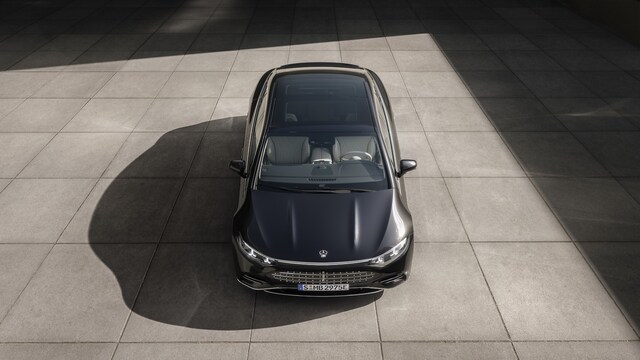
Design Changes: Exterior updates retain the coupe-like silhouette but revise front and rear styling elements. The front fascia now features an illuminated grille with a backlit star pattern, along with updated Digital Light headlamps capable of projecting beams up to 600 metres. The rear receives revised light-bar detailing and a redesigned bumper with more defined diffuser elements.
 7 / 10
Aerodynamics Focus: The EQS continues to emphasise aerodynamic efficiency, maintaining a drag coefficient as low as 0.20. This contributes directly to improved range and energy consumption. The streamlined body design remains largely unchanged, reflecting a focus on functional efficiency rather than major visual redesigns in the facelifted model.
 8 / 10
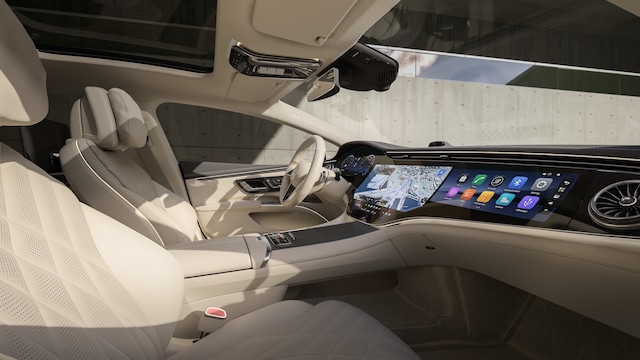
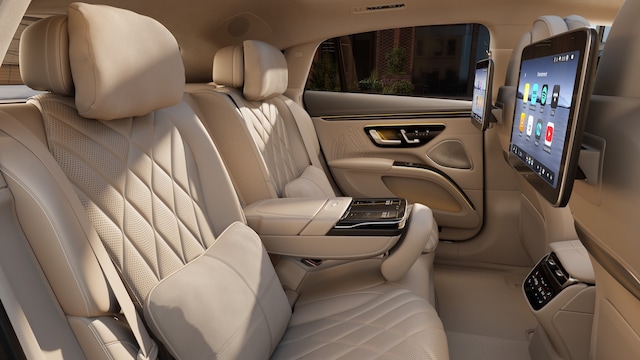
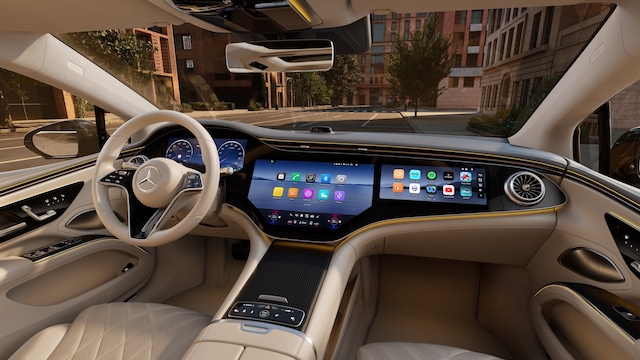
Interior Tech: Inside, the EQS retains the MBUX Hyperscreen, integrating three displays under a single glass surface. The system now runs on an updated MB.OS software, enabling faster processing, over-the-air updates, and AI-supported voice interaction. Navigation functions incorporate energy usage and charging planning, while rear passengers receive dual 13.1-inch entertainment displays.
 9 / 10
Luxury Features: New interior additions include heated front seatbelts, rear entertainment systems, and upgraded parking assistance with faster operation and diagonal parking capability. The cabin also features a HEPA filtration system and expanded customisation options. Cloud-based predictive air suspension adjusts damping using shared road-condition data to improve ride comfort and stability.
 10 / 10
Steer Innovation: An optional steer-by-wire system replaces the conventional mechanical steering link with electronic controls and a yoke-style steering interface. The system allows independent tuning of steering characteristics and reduces physical input effort. Redundant systems ensure operational safety, while updated driver-assistance features use multiple sensors to enhance lane support and evasive steering functions.