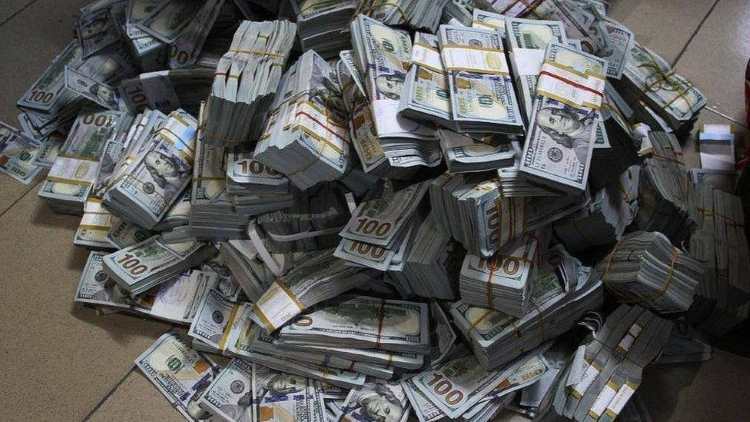
Nigeria’s external reserves declined by $731 million in the first three weeks of April 2026, signalling renewed pressure on the country’s foreign exchange position despite earlier gains.
Data from the Central Bank of Nigeria showed reserves fell from $49.18 billion on April 1 to $48.45 billion by April 23, reflecting an average weekly drop of about $233 million.
The development has intensified scrutiny over liquidity in the foreign exchange market, particularly as the naira continues to face depreciation pressures.
Analysts attributed the decline to a combination of factors, including fluctuations in crude oil earnings, ongoing central bank interventions, debt servicing obligations, and other external commitments.
Breakdowns of the data indicate the sharpest fall occurred between April 1 and April 10, when reserves dropped from $49.18 billion to $48.81 billion. Subsequent declines were more gradual, easing slightly towards the third week of the month.
The latest downturn follows earlier volatility in March, when reserves slipped from $50.08 billion to $49.61 billion within 11 days.
Despite the recent drawdown, Nigeria’s reserve position remains stronger compared to the $37.83 billion recorded in April 2025, suggesting a broader improvement over the past year.
Olayemi Cardoso, CBN governor has dismissed concerns over the decline, reiterating the bank’s commitment to stabilising the naira and rebuilding investor confidence.
He maintained that reserves are projected to rise to $51 billion by the end of 2026 as part of ongoing macroeconomic reforms aimed at strengthening the country’s balance of payments.