President Tinubu says new tax reforms are designed to simplify the system, improve transparency and support economic growth.
President Bola Ahmed Tinubu on Tuesday said Nigeria’s old tax system, rooted in colonial-era laws, contributed to poverty and inefficiency, as he defended ongoing reforms aimed at restructuring the country’s revenue framework.
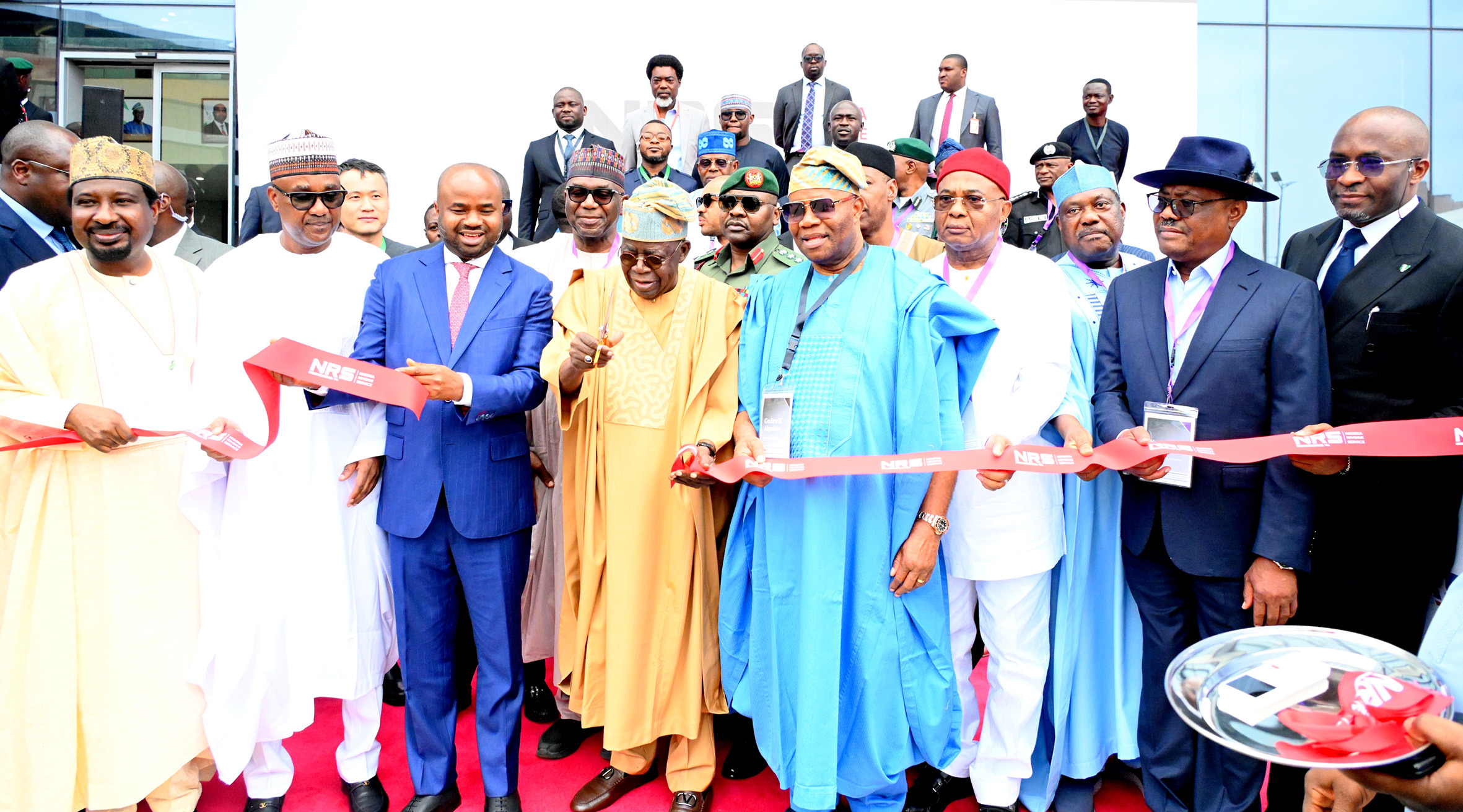
He spoke in Abuja during the commissioning of the new headquarters of the Nigeria Revenue Service (NRS), where he outlined his administration’s efforts to overhaul taxation and improve fiscal governance.
According to the president, the previous system was characterised by fragmentation, multiple taxation layers and inconsistencies, which, according to him, weakened economic growth and public confidence.
“On my inauguration day, I made a solemn pledge that we will move Nigerians from the dimness of uncertainty into the clear light of renewed hope. Today, I stand before you to reaffirm that these words were not rhetoric; they were a covenant with the Nigerian people,” the president said.
The president said the new tax framework, which became operational in January, is intended to simplify processes, eliminate distortions and create a more investment-friendly environment.
He added that the reforms are designed to support enterprise and ensure fairness in revenue collection, while also improving transparency in government operations.
“We are not gathered here merely to commission an edifice. We are here to mark a milestone in a larger national journey: the deliberate strengthening of our fiscal foundation and rebuilding of confidence in public institutions.”
He also highlighted that early signs from the reforms show improvements in fiscal stability, foreign reserves and investor confidence, though he did not provide specific data to support the claims.
On his part, the Speaker of House of Representatives, Tajudeen Abbas, who was also at the event, said Nigeria’s revenue system had long suffered from overlapping mandates and weak coordination, adding that recent reforms were aimed at creating a more coherent framework.
“For many years, our revenue system struggled less from a lack of effort than from a lack of coherence,” he said.
The Executive Chairman of the NRS, Zacch Adedeji, said the reforms represent a significant shift from past practices, including the consolidation of numerous tax laws into a more streamlined system.
He said revenue collection had increased in recent years, rising from N6.8 trillion five years ago to N28.7 trillion in 2025, attributing the growth to structural reforms and improved compliance.
Mr Adedeji also noted that the government had strengthened fiscal governance and introduced systems such as the National Single Window to improve trade processes and revenue tracking.
Despite the government’s positive outlook, concerns remain over the impact of tax reforms on businesses and households already facing economic pressures, including inflation and rising living costs.
President Tinubu, however, maintained that the reforms are aimed at long-term stability, urging the revenue agency to prioritise fairness, accountability and public trust in its operations.
“It must not only collect revenue, but it must also build trust, ensure fairness, and demonstrate that government can be accountable, efficient, and responsible,” he noted.