The Pentagon has warned lawmakers that clearing sea mines laid by Iran in the Strait of Hormuz could take up to six months — a timeline that risks prolonging the economic fallout from the war even after fighting ends.
The estimate, delivered in a classified briefing Tuesday to members of the House Armed Services Committee and first reported by The Washington Post, suggests the scale of disruption facing one of the world’s most critical energy chokepoints is even worse than initially thought. Officials said mine-clearing operations are unlikely to begin in earnest until the conflict concludes.
Lawmakers from both parties reacted with frustration, according to the report, viewing the extended timeline as a signal that oil and gasoline prices could remain elevated well beyond any ceasefire agreement.
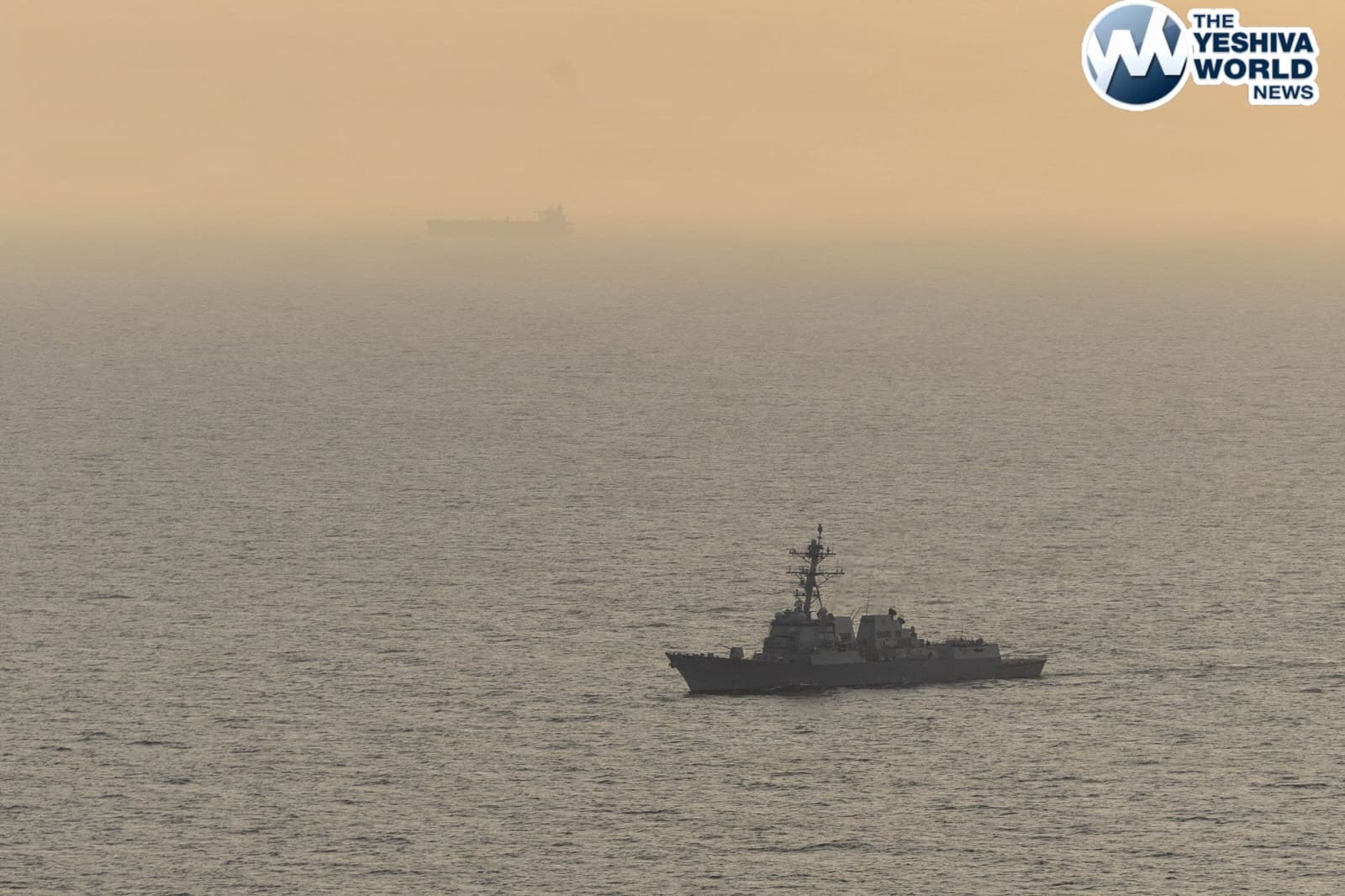
U.S. officials told Congress that Iran may have deployed at least 20 sea mines in and around the strategic waterway, a narrow passage through which a significant share of the world’s oil supply flows. Some of the mines were reportedly placed using GPS-guided systems, while others were deployed by small vessels associated with Iran’s so-called “mosquito fleet,” complicating efforts to locate and neutralize them.
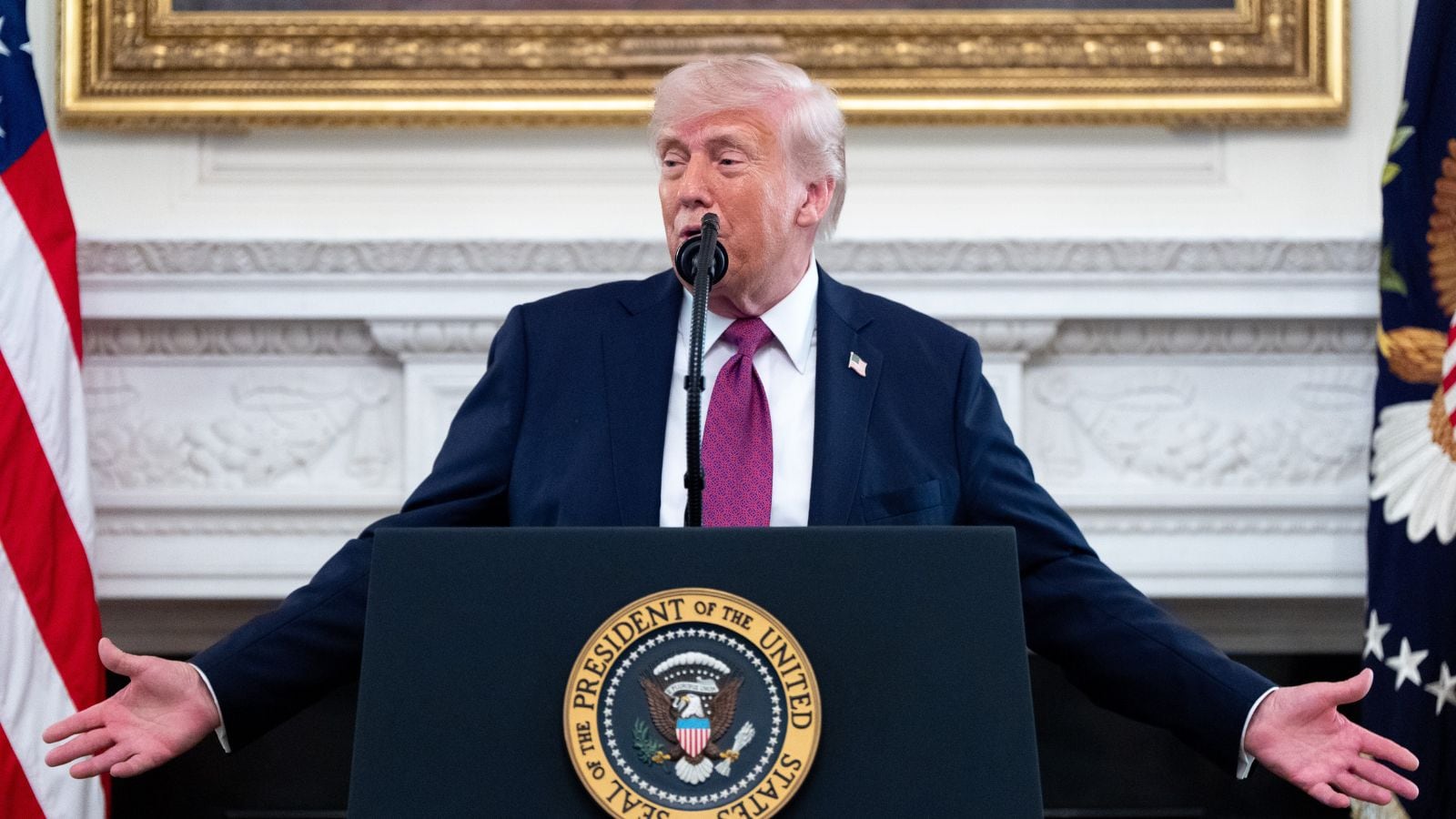
The assessment contrasts with earlier statements from President Donald Trump, who said last week that Iran, “with the help of the United States,” was already in the process of removing the mines. The comments were widely seen as an attempt to calm markets and signal progress toward a broader deal.
But defense officials have acknowledged that the challenge is far from resolved. It remains unclear how the U.S. military would carry out a large-scale clearance operation, though options under consideration include helicopters, drones and specialized diving teams.
Iran began laying the mines in March amid escalating strikes by U.S. and Israeli forces. While Washington has since targeted vessels believed to be involved in deploying the devices, officials concede that early preparations to counter a potential mining campaign were insufficient, allowing Tehran to disrupt maritime traffic despite a broader U.S. naval blockade.
The continued threat has already begun to ripple through global markets. Analysts warn that even partial restrictions on shipping could deter insurers, shipowners and crews from operating in the region, amplifying pressure on energy prices.
“There won’t be many people willing to take that risk,” said Richard Nephew, a researcher at Columbia University who specializes in Iran policy, noting that prolonged uncertainty could have outsized effects even if traffic is not fully halted.
Iranian officials have signaled little willingness to back down. Parliament Speaker Mohammad Bagher Ghalibaf said the strait could not be safely reopened under current conditions, accusing the United States of undermining the ceasefire through its continued blockade. President Masoud Pezeshkian echoed him, arguing that Washington’s actions contradict its stated support for diplomacy.
(YWN World Headquarters – NYC)