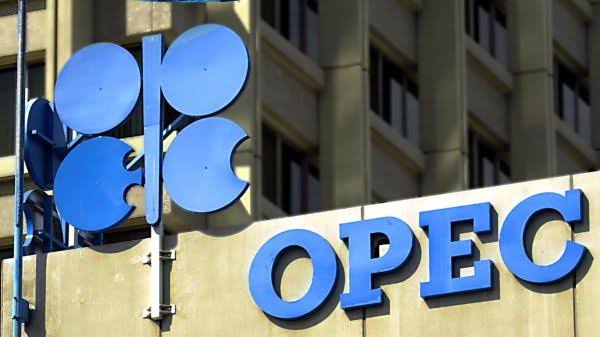
The United Arab Emirates has officially announced it will leave the Organization of the Petroleum Exporting Countries (OPEC) and the wider OPEC+ alliance, marking one of the biggest shifts in global energy politics in decades.
The decision, which takes effect from May 1, 2026, ends the UAE’s membership that dates back to 1967.
According to the country’s energy minister, Suhail Mohamed AlMazrouei, the move is part of a broader strategy tied to long-term energy policies and market realities.
Experts say the country has grown frustrated with production limits imposed by OPEC and wants to respond faster to market opportunities.
The UAE is one of OPEC’s biggest producers, so its exit is a major blow.
Analysts warn this could make OPEC less powerful and less coordinated going forward.
The timing is important. The exit comes during a major global energy crisis linked to tensions involving Iran and disruptions in oil supply routes.
Even though the short-term impact may be limited, the long-term effect could reshape how oil prices are set globally.