3 min readApr 21, 2026 08:36 PM IST
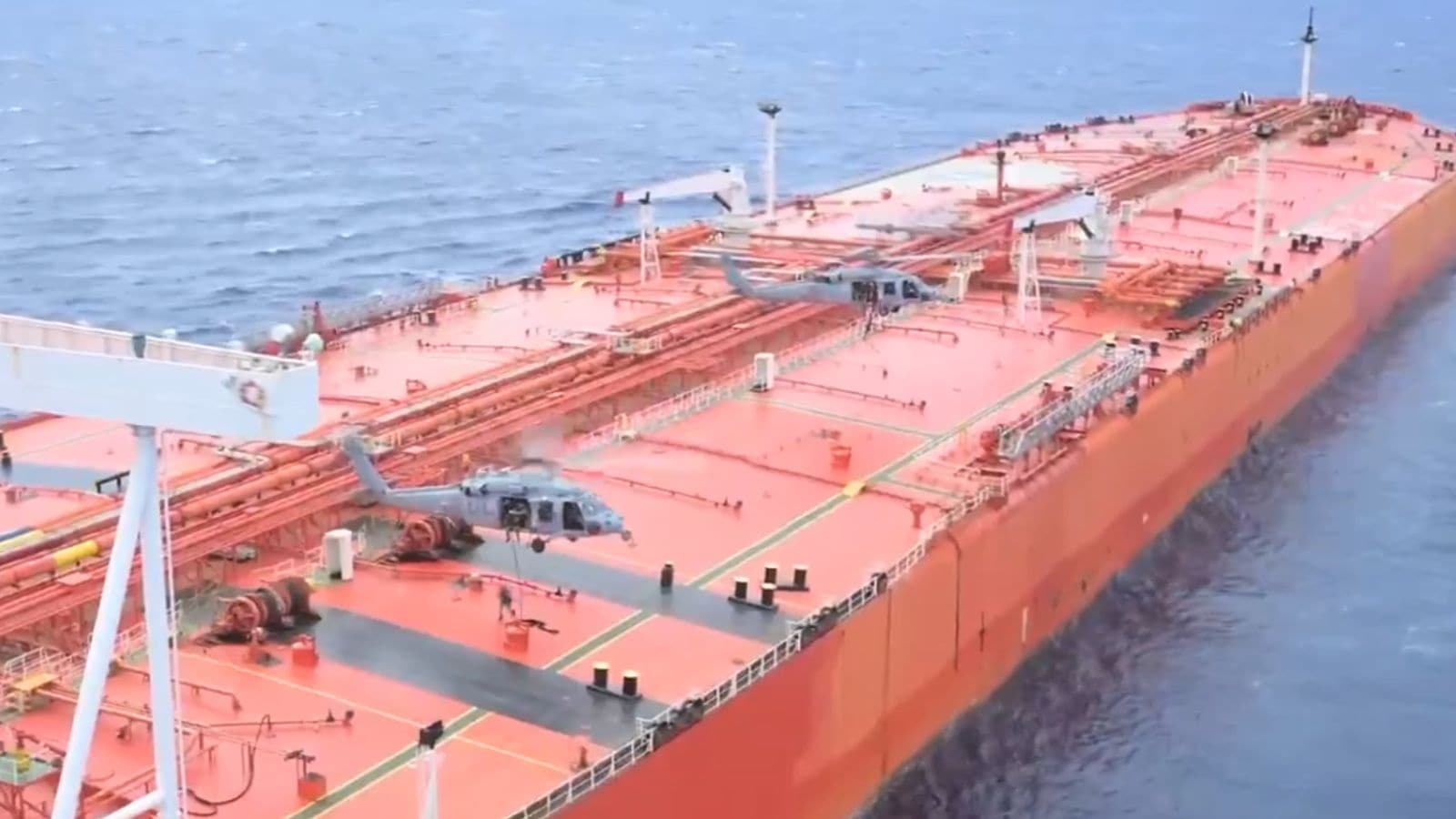
The United States on Tuesday confirmed that its forces boarded a tanker previously linked to the transport of sanctioned Iranian crude, marking a continuation of Washington’s expanded maritime enforcement operations.
In a statement, the Pentagon said personnel carried out a “right-of-visit” interdiction on the vessel, identified as the M/T Tifani, adding that the boarding was completed without resistance. The department characterised the tanker as “stateless,” despite records indicating it was sailing under a Botswana flag.
Overnight, U.S. forces conducted a right-of-visit, maritime interdiction and boarding of the stateless sanctioned M/T Tifani without incident in the INDOPACOM area of responsibility.⁰⁰As we have made clear, we will pursue global maritime enforcement efforts to disrupt illicit… pic.twitter.com/EGwDe3dBI3
— Department of War 🇺🇸 (@DeptofWar) April 21, 2026
Tracking data indicated that the vessel was moving through the Indian Ocean, positioned between Sri Lanka and Indonesia at the time of the operation. Officials did not disclose the precise location or timing of the boarding.
The development comes shortly before the current ceasefire between United States and Iran is set to expire, with uncertainty continuing over whether negotiations will resume. Pakistan is engaged in efforts to facilitate dialogue between the two sides.
US authorities have increasingly focused on intercepting vessels suspected of supporting Iran’s economy or military supply chains. The Pentagon said such actions are part of a wider effort to disrupt networks involved in moving oil and other materials linked to Tehran.
What the statement says
“As we have made clear, we will pursue global maritime enforcement efforts to disrupt illicit networks and interdict sanctioned vessels providing material support to Iran — anywhere they operate,” the statement said, adding that international waters do not shield such vessels from enforcement measures.
Military officials have indicated that these operations will extend beyond the Middle East. Dan Caine, chairman of the Joint Chiefs of Staff, said recently that US forces in multiple regions would be tasked with identifying and intercepting vessels connected to Iran, regardless of where they are operating.
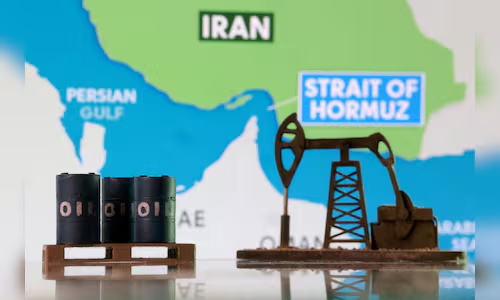
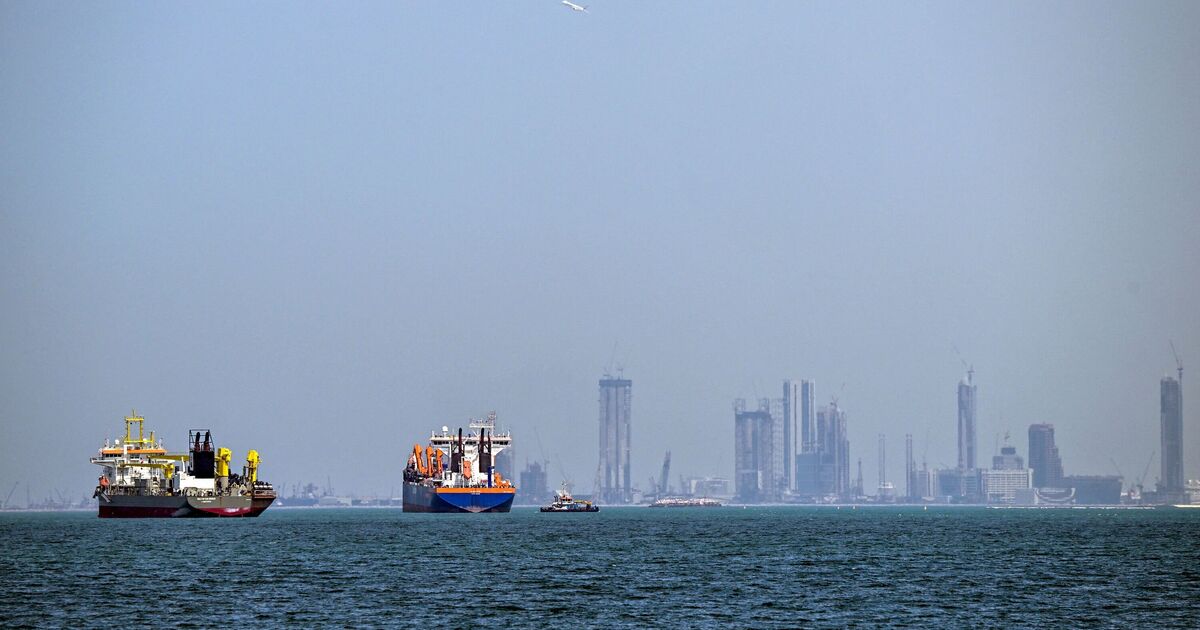
He noted that enforcement activity would include areas outside traditional zones of conflict, including routes linked to the Strait of Hormuz, a key passage for global energy shipments. Ships that departed prior to the implementation of maritime restrictions may also be subject to monitoring and potential interdiction.
Stay updated with the latest – Click here to follow us on Instagram
© The Indian Express Pvt Ltd