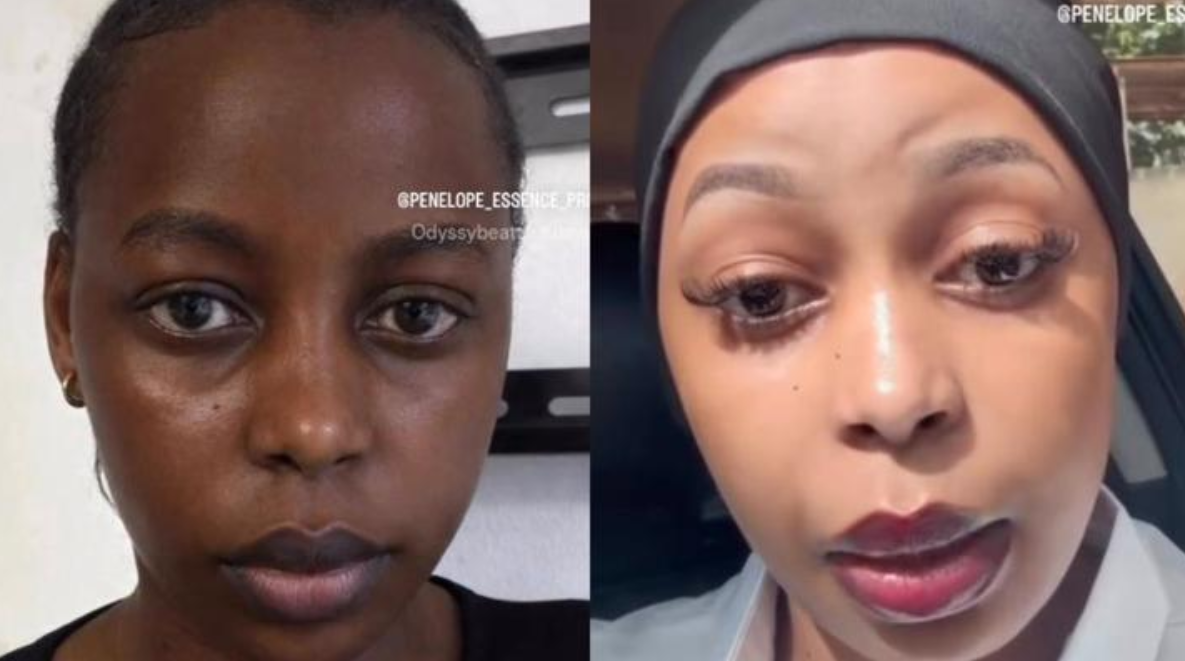
The images show a clear contrast between the woman’s original skin tone and her current, much lighter complexion. This has led many observers to speculate about the reasons for the change, with some asking if it stems from a lack of self-love or a desire to conform to specific beauty standards. The practice of skin bleaching remains a controversial topic in South Africa and across the continent, as it is often linked to historical legacies of colonialism and the promotion of lighter skin as a mark of social status or beauty.
Online discussions have featured a variety of viewpoints, with some users expressing concern for the woman’s health, noting that many skin-lightening products contain harmful chemicals. Others have focused on the psychological aspects of the transformation, arguing that the desire to change one’s natural skin tone is a sign of deep-seated insecurities. Conversely, some commenters have defended the woman’s right to modify her appearance as she sees fit, arguing that it is a personal choice that should be respected regardless of public opinion.
The viral nature of the post highlights the ongoing societal pressure regarding physical appearance and the controversial methods some individuals use to achieve a certain look. It also reflects a broader conversation about racial identity and the need for more diverse representations of beauty. As the images continue to circulate, they serve as a catalyst for a discussion on the importance of self-acceptance and the societal factors that drive individuals to pursue dramatic and sometimes risky cosmetic changes to their bodies.