Speaking to CNBC-TV18, Vishrut Rana, Senior Economist for Asia Pacific at S&P Global Ratings, said the biggest risk stems from uncertainty in energy supply, particularly for import-dependent economies like India and across Asia.
“The rising uncertainty in the energy space is a risk for the Indian economy as well as Asia, where we have several energy-importing economies,” he said.
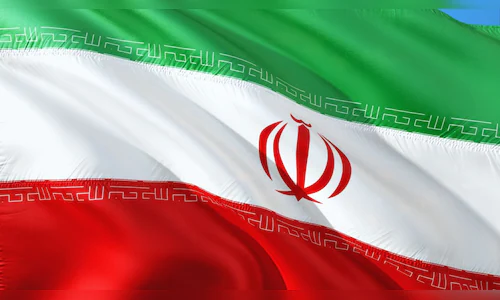
The assessment comes as the US has indefinitely extended its ceasefire with Iran just a day before it was due to expire, even as a fresh round of talks in Pakistan has been put on hold. US President Donald Trump indicated that negotiations could resume soon, though tensions remain elevated with the naval blockade at the Strait of Hormuz still in place.
Iran, meanwhile, has termed the blockade a violation of the ceasefire and warned of retaliation, even as reports suggest cargo ships have been seized in the Strait. Escalation in the region has already pushed crude oil prices towards the $100 per barrel mark, raising concerns over inflation and growth.
Rana noted that disruptions to energy supply chains could directly impact economic activity. “The key risk stems from disruptions in energy supply… that means that activity that was going to happen does not happen,” he said, pointing to reduced mobility of goods and people as a key transmission channel.
S&P is evaluating multiple scenarios, with the most severe involving prolonged energy supply disruptions that could significantly curb economic activity across Asia-Pacific economies reliant on imported crude.
A more moderate scenario would see energy prices remain elevated for a period while supplies gradually normalise, leading to “pressure on current accounts, inflation rising quite significantly, as well as fiscal strains as governments step in to support local consumers,” Rana explained.
Despite these risks, S&P does not see an immediate global recession on the horizon. Rana pointed out that the global economy today is better insulated than during past oil shocks due to diversification in energy sources. However, he cautioned that high-frequency indicators are already signalling stress. “We are seeing disruptions… with a squeeze in energy and input costs, and that could persist,” he said.
On the potential upside, any breakthrough in US-Iran talks could help reduce uncertainty, though the economic benefits may not be immediate.
“I do not see any immediate upside for the global economy just from the opening of the Strait, but it is certainly a positive development,” Rana said, adding that improved confidence could support spending and stabilise expectations.
He added that if tensions ease, the global economy—particularly in Asia-Pacific—could revert to the relatively resilient growth trajectory seen at the start of the year.
Also Read | IMF warns West Asia war could derail global economy, drag growth and fuel inflation
Rana also highlighted the impact on labour markets, particularly those reliant on migrant workers. While remote work has improved resilience in some sectors, recovery in labour mobility will take longer. “Human flows are likely to be second to recover once goods flows pick up,” he said.
With geopolitical uncertainty persisting and energy markets on edge, the trajectory of growth will depend heavily on how quickly stability returns to the region.