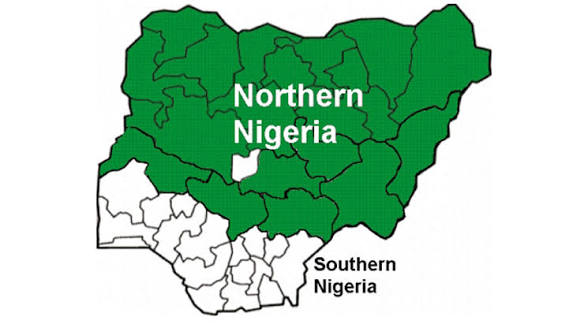

Northeast Nigeria has, for more than a decade, remained the country’s most troubled zone, marked by insurgency, displacement, and repeated cycles of violence. The question that continues to arise is simple but profound: why this zone?
The roots of the crisis stretch beyond recent events. The area comprising Borno, Yobe, and Adamawa states has long faced structural disadvantages, including high poverty levels, limited infrastructure, and lower access to education compared to other parts of the country. These conditions created an environment where frustration and vulnerability could easily grow.
The situation escalated significantly in the early 2000s with the rise of Boko Haram, which emerged in Borno state. Initially a religious movement, it transformed into an armed insurgency after 2009 following violent confrontations with security forces. Since then, the conflict has expanded in both scale and complexity.
Geography has also played a critical role. The North-east shares porous borders with Niger, Chad, and Cameroon, making cross-border movement of armed groups easier and more difficult to control. This has allowed insurgent activities to persist despite military operations.
Over time, the crisis has further evolved. Boko Haram later fragmented, with one faction aligning with Islamic State West Africa Province. In addition, criminal networks and bandit groups have added new layers to insecurity, shifting the conflict beyond ideology into survival-driven violence.
Environmental pressures, including desertification and the shrinking of Lake Chad, have worsened economic hardship, pushing some communities into deeper vulnerability. Combined with weak governance in remote areas, these conditions have created gaps that armed groups have exploited.
Ultimately, the North-east crisis is not the result of a single cause, but a convergence of historical neglect, geographic vulnerability, economic stress, and evolving armed movements. Until these underlying issues are addressed, the region is likely to remain at the center of Nigeria’s security challenges.
Godwin Philip
[email protected]


