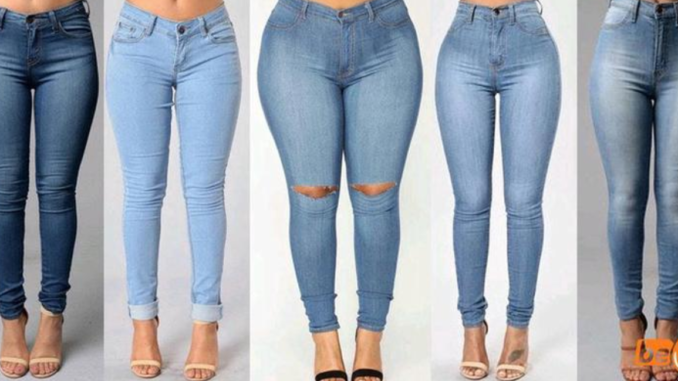
Skinny and tight-fitting jeans remain a dominant fashion trend worldwide, praised for their sleek look and ability to flatter the figure.…....
However, health and lifestyle experts are increasingly highlighting the potential long-term consequences of wearing extremely tight jeans on a daily basis. While they may enhance style, the trade-off for comfort and well-being could be significant. Here are four key reasons why many people are reconsidering their love for ultra-tight denim.
1. “Skinny Pants Syndrome”
Prolonged wear of very tight jeans can compress nerves and blood vessels in the thighs and lower body. This compression may lead to a condition informally known as “Skinny Pants Syndrome” (medically related to meralgia paresthetica), characterized by tingling, numbness, burning sensations, or pain in the outer thigh. The pressure restricts normal nerve function, and many individuals only notice the issue after symptoms become persistent. Switching to looser-fitting trousers often brings quick relief.
2. Restricted Blood Circulation
Tight jeans, particularly around the waist, hips, and thighs, can impede healthy blood flow. Reduced circulation may cause swelling in the legs and feet, muscle fatigue, and a general feeling of heaviness. Over time, poor circulation affects energy levels and can exacerbate issues like varicose veins. Health professionals note that clothing that digs into the skin or leaves deep marks is often a sign that circulation is being compromised.
3. Potential Risks to Women’s Reproductive and Intimate Health
For women, consistently wearing tight jeans can create a warm, moist environment in the pelvic area that may promote irritation, bacterial overgrowth, or increase susceptibility to conditions such as yeast infections and vulvar discomfort. Some studies and gynecological reports suggest that chronic pressure and friction from tight clothing could contribute to pelvic pain disorders. Experts recommend opting for breathable fabrics and looser fits, especially during long days or warmer weather.
4. Increased Risk of Blood Clots
Restricted blood flow from tight clothing becomes particularly concerning when combined with prolonged sitting — such as during work, travel, or daily commutes. This combination may elevate the risk of deep vein thrombosis (blood clots) in susceptible individuals. Warning signs include leg pain, warmth, redness, or swelling. While tight jeans alone are unlikely to cause clots in healthy active people, they can act as an additional risk factor.
Fashion vs Health Balance
Fashion trends will always evolve, but health experts encourage prioritizing comfort alongside style. Many are now choosing “comfort-fit” or straight-leg jeans that offer both aesthetics and better mobility. Alternating between tight and loose clothing, taking movement breaks during the day, and listening to your body’s signals can help minimize potential issues.
While occasional wear of tight jeans is unlikely to cause major problems for most people, daily use, especially for extended hours, may contribute to avoidable discomfort and health concerns. Ultimately, true style should support, not compromise, your well-being.
Important Note: This article is for informational purposes only. Individuals experiencing persistent pain, numbness, or circulatory issues should consult a qualified healthcare professional for proper evaluation and advice.