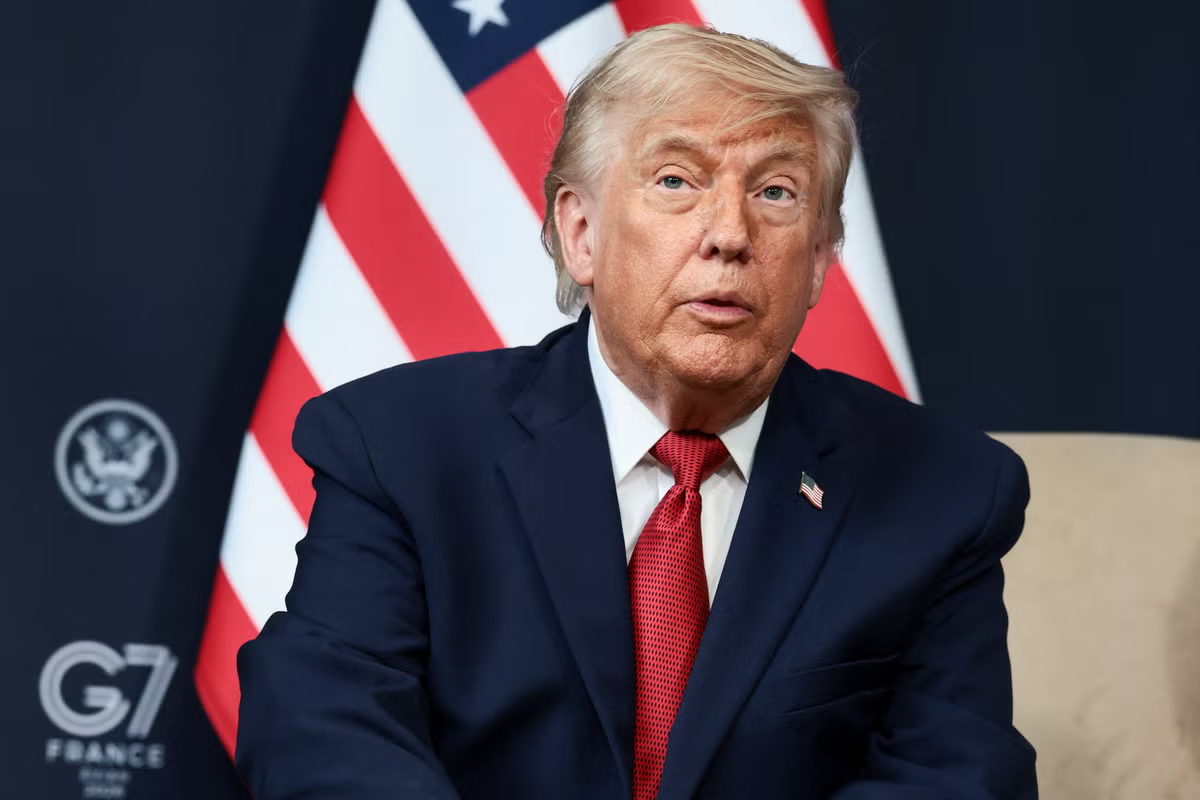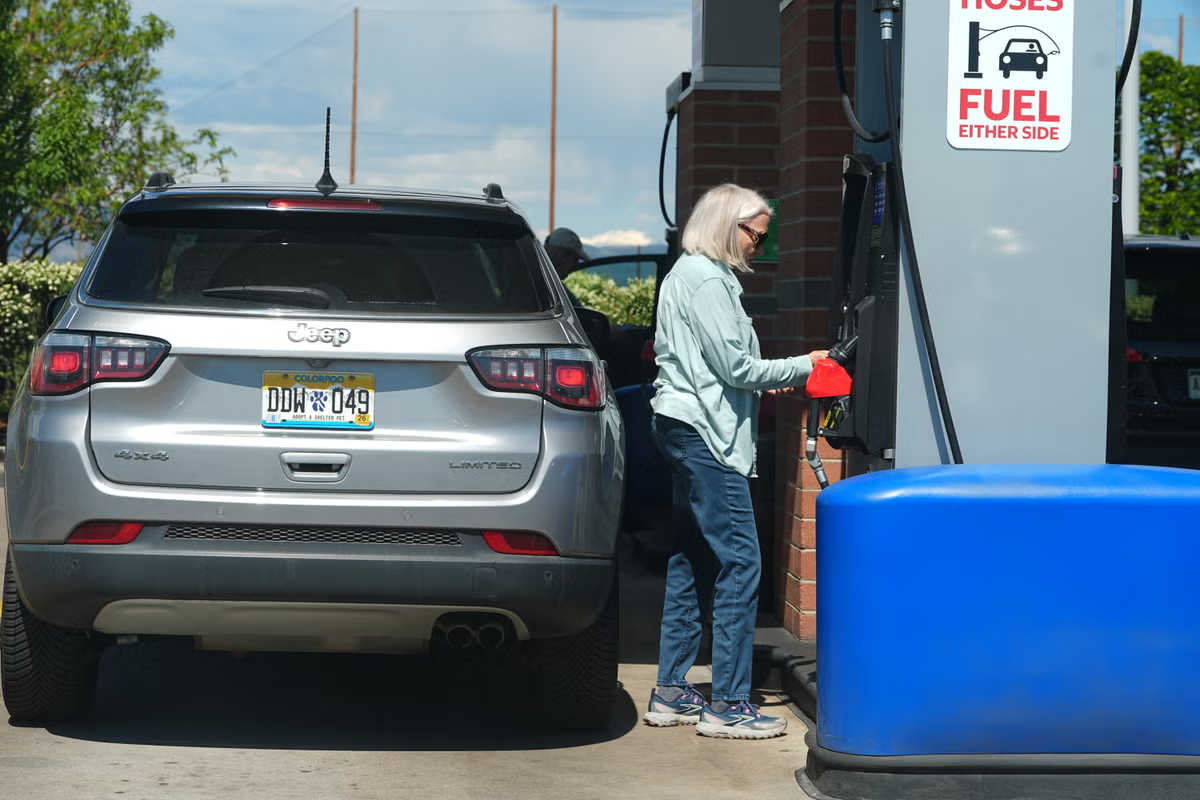
Americans have splashed out $59 billion more on fuel since President Donald Trump started his war against Iran — and the extra costs have already eaten up this year’s average tax refund, according to a report Friday.
Moody’s chief economist Mark Zandi estimated that the increased spending amounted to about $450 per U.S. household, “made up mostly of gasoline, then there’s a diesel cost and an implied jet fuel cost in those higher airline fees,” CNBC senior economics reporter Steve Liesman said on the cable network’s Squawk Box show.
The added costs were initially offset by this year’s increase in the size of many federal income tax refunds, which averaged around $380 more per household, but by mid-May, “the extra fuel cost outstrips the refunds,” and “now it’s higher,” Liesman said, according to a transcript posted on the Mediaite website.
Zandi also predicted, “Unless the war ends soon, financially pressed consumers will have no option but to turn more cautious in their spending, threatening the already soft economy,” Liesman said.
A similar warning came in a Goldman Sachs report that said the investment bank expected “spending headwinds from higher inflation will weigh on spending growth for the rest of the year,” Liesman said.
The White House didn’t immediately return an inquiry from The Independent.
But earlier in the day, senior deputy press secretary Kush Desai said, “Once the Iranian terror threat is neutralized and traffic in the Strait of Hormuz normalizes, Americans will again see gas prices plummet, real wages grow, inflation cool, and trillions in investments pour in.”
Trump has repeatedly dismissed concerns about gas prices, which on Friday averaged $4.39 a gallon for regular, down from $4.55 a week earlier but up from $3.17 a year ago — a nearly 40 percent increase — according to AAA.
Six days after the Feb. 28 start of his war, Trump told Reuters that he wasn’t worried about pump prices, saying, “They’ll drop very rapidly when this is over, and if they rise, they rise, but this is far more important than having gasoline prices go up a little bit.”
In late April, he visibly shrugged when a reporter asked if Americans should plan to spend more on gas “for the foreseeable future,” according to Roll Call.
“For a little while,” he said. “You know what they get for that? Iran without a nuclear weapon that’s going to try and blow up one of our cities or blow up the entire Middle East.”
And last week, ahead of the Memorial Day holiday travel period, Trump called higher gas prices “peanuts” compared to the threat posed by Iran.
On Thursday, retail giant Costco said it saw “record-breaking volumes” in gas sales during its third quarter as customers — including new members — sought out lower prices, CNBC reported.
Trump has taken some steps to try to control fuel prices, including suspending the century-old Jones Act so foreign-flagged ships can transport oil and fuel between American ports.
But that move hasn’t made much difference because of higher shipping costs and the relatively small amount of fuel involved, Reuters reported Wednesday.
“This waiver is not delivering on what he was told it would do: lower prices at the pump, and materially increase the flow of product across the country,” said Jennifer Carpenter, president of the pro-Jones Act group American Maritime Partnership.