Prosecution of Agatu youth leader deepens debate over self‑defense, state failure, and Fulani militia violence in Nigeria’s Middle Belt
By Ekani Olikita
A Nigerian court has begun prosecuting Silas Oloche Iduh, leader of the Agatu Youth Volunteer Guards, over allegations that he stockpiled ammunition following years of deadly assaults on communities in Benue State’s Agatu region.
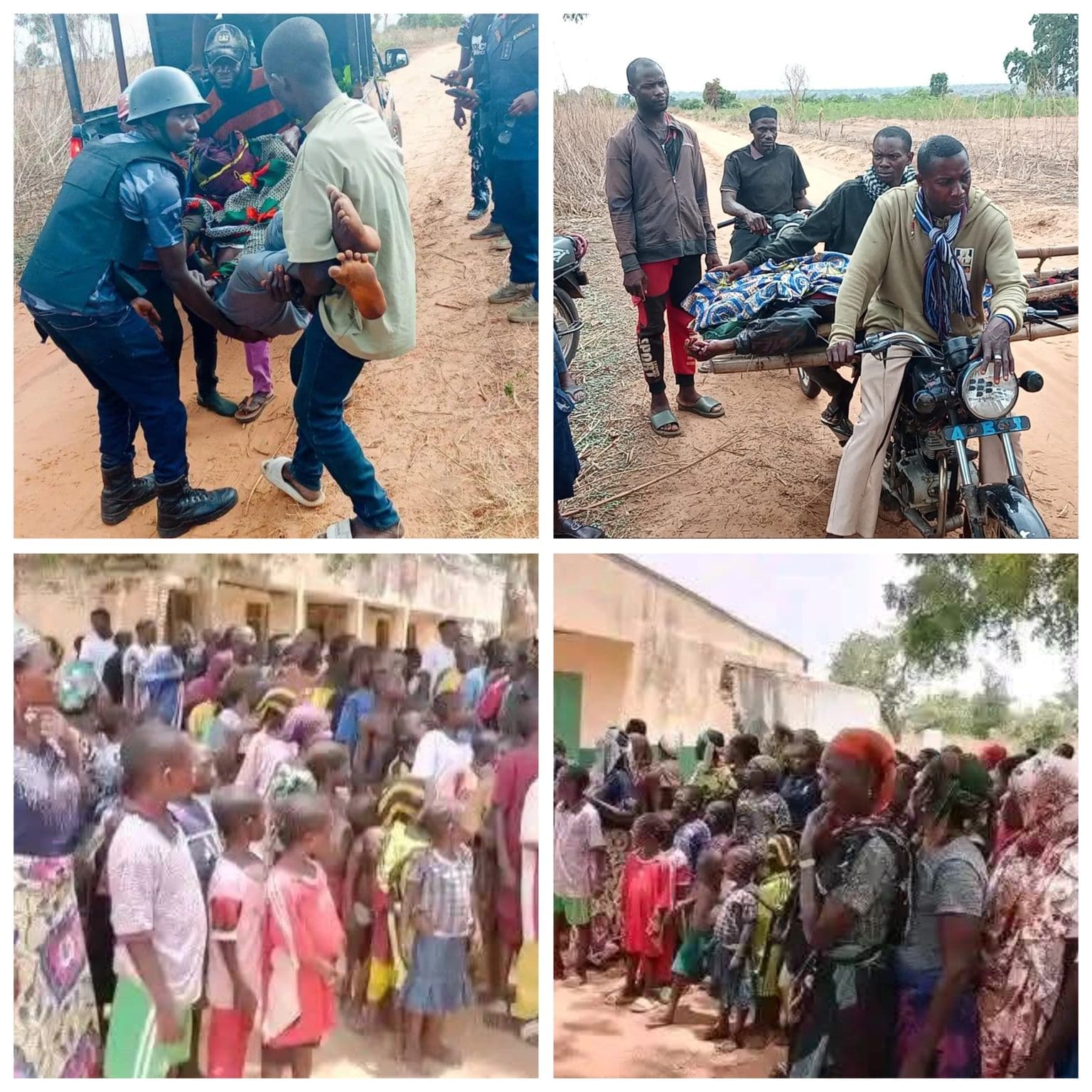
The case has sparked fresh controversy across Nigeria’s Middle Belt, where armed Fulani militia groups have been blamed for repeated killings that have created persistent insecurity in predominantly Christian communities. It has also intensified debate over self‑defense, state protection failures, and the wider ethno‑religious violence gripping the region — a flashpoint where Muslim Fulani armed groups have carried out deadly attacks on Christian farming populations for more than a decade.
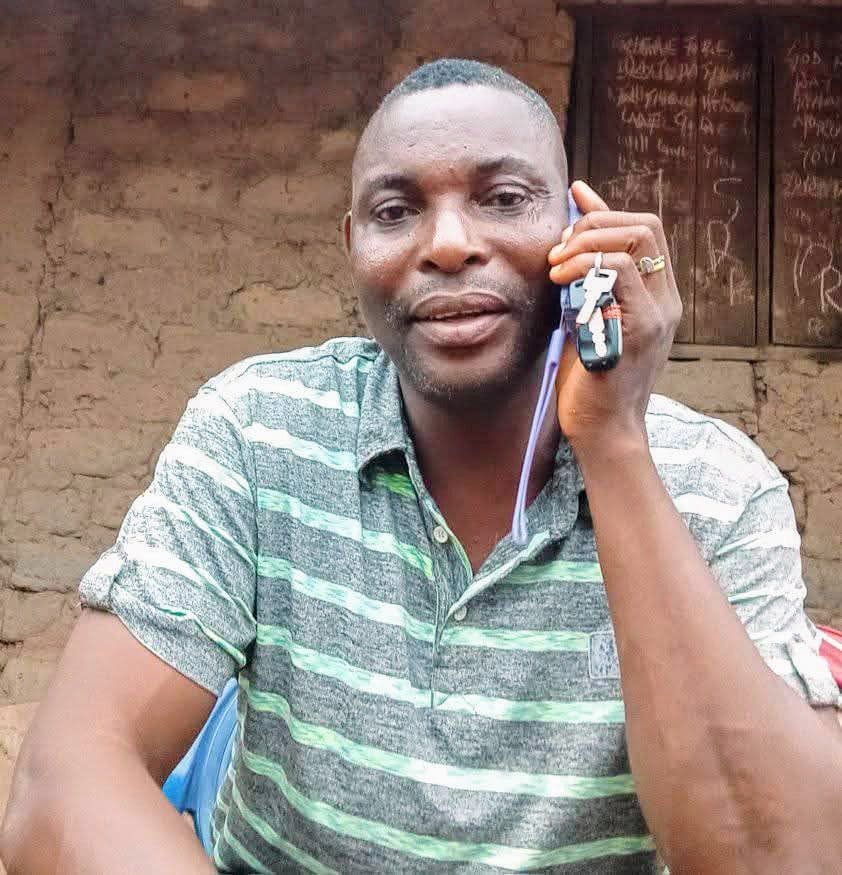
Silas Oloche Iduh, identified as Leader of the Agatu Youth Volunteer Guards, appeared before a Federal High Court in Abuja on May 25, 2026, facing a six-count charge related to alleged unlawful possession of firearms and ammunition.
According to Nigeria’s Department of State Services (DSS), Oloche was arrested on November 2, 2025, at his residence in Obagaji, headquarters of Agatu Local Government Area (County) in Benue State. Prosecutors alleged he coordinated the purchase of ammunition intended for retaliatory attacks following repeated assaults on Agatu communities.
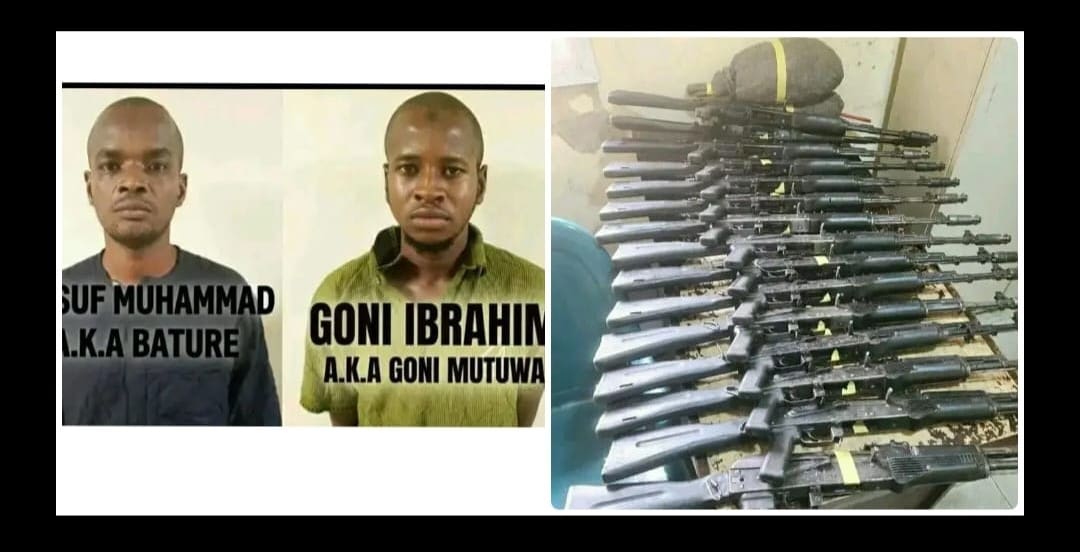
During court proceedings, a DSS witness alleged that security operatives recovered 18 hand grenades, hundreds of rounds of ammunition, and shotgun cartridges from Oloche. Authorities further claimed he admitted purchasing the weapons from a supplier known as “Chocho” for more than ₦2 million (about $1,480 USD).
In an audiovisual statement reportedly played in court, Oloche acknowledged mobilizing funds for ammunition after years of attacks on Agatu communities.
“We intended to retaliate for the constant attacks and killing of our people by Fulani terrorists,” Oloche said, while insisting the community acted out of desperation after repeated pleas for protection allegedly went unanswered.
He described years of violent attacks dating back to 2013, including destruction of farmlands, killings and displacement of villagers.
Residents Defend Oloche
The prosecution has triggered outrage among many Agatu residents, some of whom argue that local communities have been abandoned by the government amid escalating violence.
“It is painful that security agencies move quickly against local youths trying to defend villages, while armed Fulani attackers continue operating freely with automatic weapons, killing our people and occupying our communities.
“We are burying people every year. Many families feel they have been left alone”, Daniel Ochokwunu, National President of Agatu Indigenous Youth Association (AIYA) told TruthNigeria
Lucky Idoko, a resident of Okokolo, one of the affected communities in Agatu County, described Oloche as a community Defender rather than a criminal.
“Many of our women have become widows, children become orphans as they are abandoned by security agencies that should protect them. Oloche should be freed, he has not committed any crime, it is just a self-defense, not terrorism. DSS should go and arrest those Fulani terrorists carrying sophisticated weapons”, Lucky told TruthNigeria
Benue State sits within Nigeria’s Middle Belt, a region dividing the predominantly Muslim north from the largely Christian south. The area has witnessed recurring attacks involving armed Fulani militia groups and armed bandits that have displaced thousands devastated Christian farming communities.
Security Concerns Grow
Security Analysts say the case reflects a broader national crisis in which communities increasingly lose confidence in the government’s ability to provide protection.
John Anthony Ikwulono, Former Deputy Chairman of Agatu County and a Security Analysts focusing on Ethno-religious conflicts, warned that prosecutions without broader security reforms could deepen tensions.
“When civilians begin organizing armed self-defense networks, it signals a dangerous erosion of trust in state institutions,” Ikwulono said.
And this presents a delicate problem for the state.
“The government faces a difficult balancing act. It must prevent reprisals and unlawful weapons possession while also addressing legitimate fears among communities repeatedly exposed to attacks”, Ikwulono told TruthNigeria.
A May 2026 report by the United States Commission on International Religious Freedom estimated that about 30,000-armed Fulani Militia operate across Nigeria in groups of varying sizes. The report described Fulani terrorist violence as one of the deadliest drivers of religious freedom violations in the country.
The report further stated that attacks by armed Fulani groups contributed to mass displacement, thousands of civilian deaths, and worsening instability across Nigeria’s Middle Belt and southern regions.
Why It Matters to the United States
The growing insecurity in Nigeria carries significant implications for the United States, which considers Nigeria a critical strategic partner in Africa because of its population size, energy resources, regional influence and counterterrorism importance.
Analysts warn that persistent violence in the Middle Belt could worsen humanitarian crises, fuel religious extremism, disrupt food production and increase instability across West Africa.
The United States has repeatedly expressed concern over religious violence and insecurity in Nigeria, particularly attacks targeting vulnerable Christian civilian communities and has classified Nigeria as a Country of Particular Concern (CPC). Human rights advocates also warn that unresolved violence could create conditions for wider radicalization and retaliatory militias.
For Washington, instability in Nigeria, Africa’s most populous nation, poses broader risks to regional security, democratic stability and U.S. counterterrorism interests in the Gulf of Guinea and the Sahel.
As Oloche’s trial continues, the case has become a symbol of Nigeria’s deeper security dilemma: whether communities under persistent attack can rely on the state for protection, or whether frustration will continue pushing civilians toward dangerous cycles of self-help.
Ekani Olikita is a conflict reporter for TruthNigeria