1 / 9
1 / 9A Berlin sidewalk becomes a place of remembrance | In Berlin, artist Gunter Demnig carefully placed a small brass plaque into a sidewalk to honour Holocaust victim Johanna Berger. The plaque recorded her name, birth year, deportation date and murder during the Nazi era. According to the Associated Press, Berger’s relatives gathered around the memorial with white roses and prayers as traffic passed nearby. (Image: AP)
 2 / 9
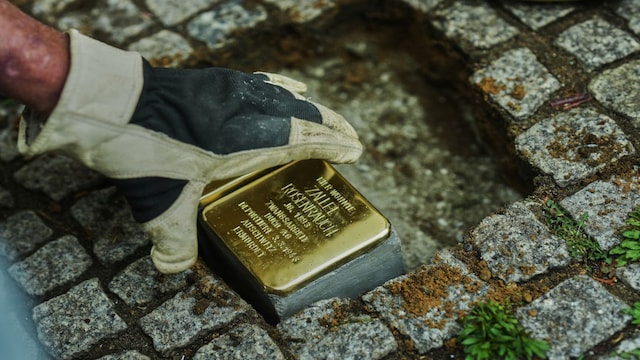
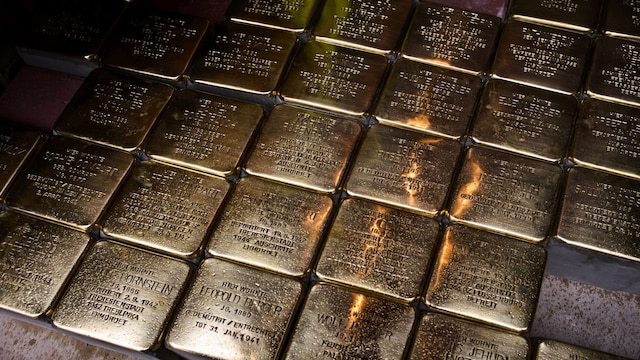
2 / 9What are Stolpersteine? | The plaques are called Stolpersteine, meaning “stumbling stones” in German. They are placed outside the last known homes of Holocaust victims and others persecuted under Nazi rule. The goal is to make people pause and remember those who once lived there. (Image: AP)
 3 / 9
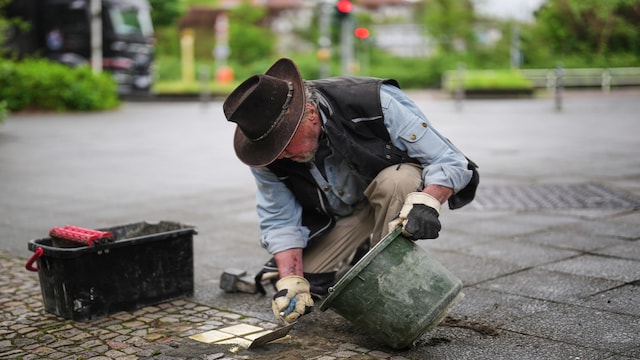
3 / 9A memorial project that spread across Europe | Demnig installed the first Stolperstein in 1992 in Cologne. Since then, the project has expanded across Europe. AP reported that more than 126,000 stones have been laid in Germany and 31 other countries, including over 11,000 in Berlin alone. (Image: AP)
 4 / 9
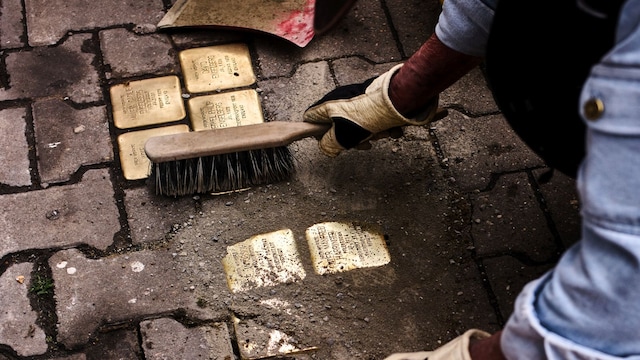
4 / 9Memorials placed where victims once lived | The artist told AP that his idea was to place symbolic stones wherever Nazi forces, including the Wehrmacht, SS and Gestapo, carried out deportations or murders. Each brass plaque is installed directly into the pavement near a victim’s former residence. (Image: AP)
 5 / 9
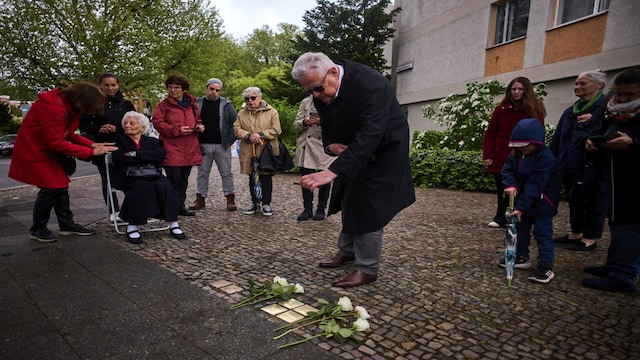
5 / 9Families travel from around the world | For many families, the stones serve as symbolic graves because numerous Holocaust victims were killed in concentration camps without proper burials. Michael Tischler, a relative of Johanna Berger, said the memorials help families find some sense of closure and preserve their history. (Image: AP)
 6 / 9
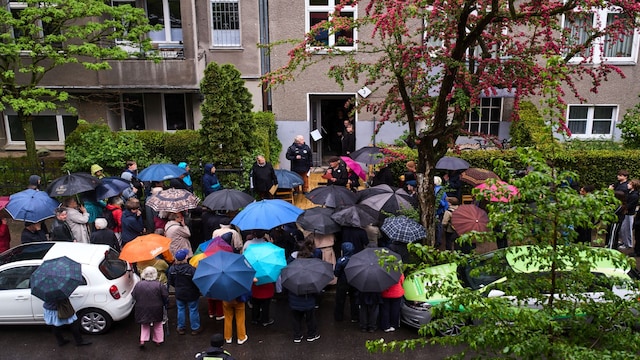
6 / 9Local communities help keep memories alive | The Stolpersteine project has also created a community-driven effort across neighbourhoods, schools and religious groups. Volunteers search archives, study old records and identify victims who once lived in their streets or buildings. Once confirmed, they organise ceremonies and maintain the plaques. (Image: AP)
 7 / 9
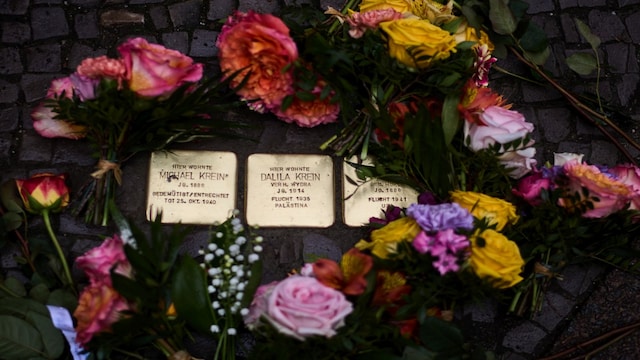
7 / 9Students are learning Holocaust history firsthand | AP reported that students from Friedrich-Bergius-Schule attended another stone-laying ceremony on Stierstraße in Berlin. Three new stones were placed for members of the Krein family. High school student Sibilla Ehrlich said hearing the stories made her think about how easily such a tragedy could have affected her own family. (Image: AP)
 8 / 9
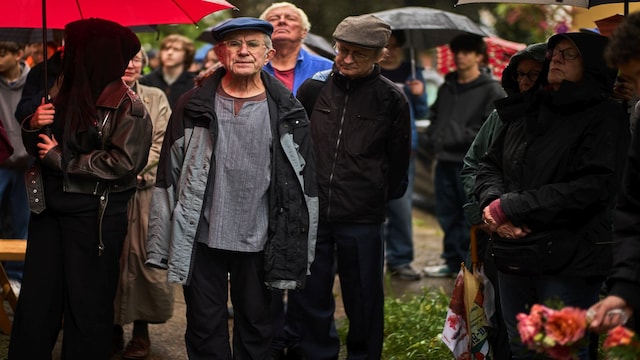
8 / 9Berlin’s Jewish community was devastated during the Holocaust | Before the Nazis came to power in 1933, around 160,500 Jews lived in Berlin, making it Germany’s largest Jewish community. By the end of World War II in 1945, only about 7,000 remained because of forced migration and mass killings. Around 6 million European Jews and others were murdered in the Holocaust. (Image: AP)
 9 / 9
9 / 9Growing fears as far-right influence rises again | As Germany marks 81 years since the Allied liberation from Nazi rule, many people worry that Holocaust lessons may fade as far-right influence grows in the country. Tischler said he hopes the Stolpersteine continue to make people stop and reflect on history for generations to come. (Image: AP)