Washington:
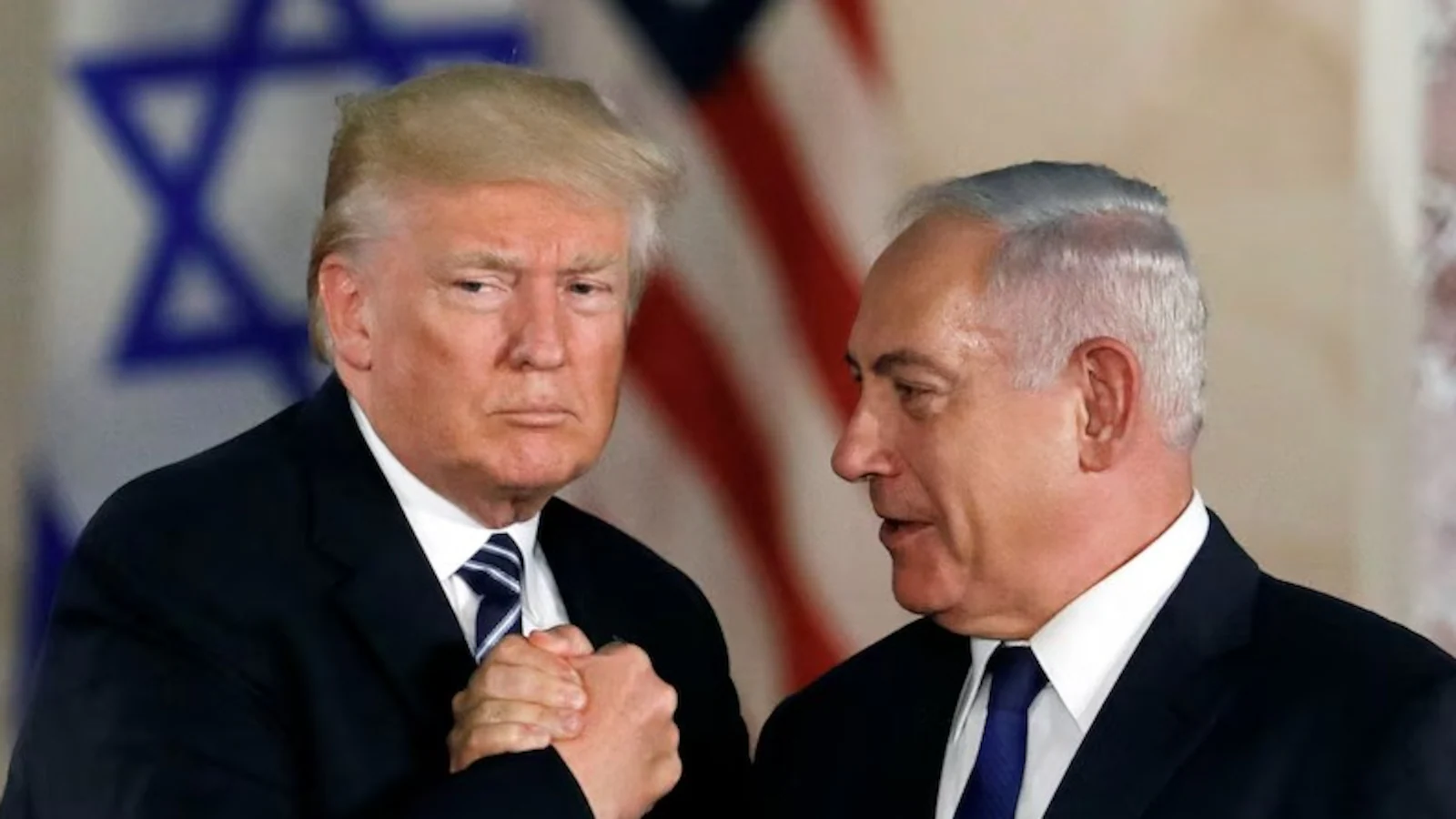
US President Donald Trump and Israeli Prime Minister Benjamin Netanyahu are reportedly not on the same page regarding how to proceed with the Iran war. The duo held an hour-long, tense conversation, during which the Israeli leader pushed for a resumption of airstrikes on the Islamic Republic, as Trump insisted on giving a chance to diplomacy before taking up arms again, according to media reports.
According to an Axios report, the highly charged conversation left Netanyahu’s “hair on fire”. Per the report, the Israeli leader is highly sceptical about the peace talks and wants to resume the war to further degrade Tehran’s military capabilities and critical infrastructure to weaken the regime. FOLLOW LIVE UPDATES
Trump, however, wants to give negotiations a chance and thinks a deal can be reached, but he also conveyed that he is ready to resume the war if it isn’t.
Inside The Testy Call
Citing sources who were briefed on the call, Axios reported that the US leader told Netanyahu that the mediators Qatar and Pakistan were working on a “letter of intent” that both Washington and Tehran would sign to formally end the war. The signing will give way to a 30-day period of negotiations that will be used to discuss issues like Iran’s nuclear programme and the opening of the Strait of Hormuz.
But Israeli sources told the American publication that Netanyahu disagreed with Trump’s strategy. Sources told CNN that Netanyahu made his disappointment known, telling Trump that he believed delaying the expected attacks was a mistake and insisting the attacks should continue as planned.
“Bibi’s hair was on fire after the call,” a US official said on Netanyahu’s reaction to Trump’s plan.
Later, Israel’s ambassador to Washington reportedly informed US lawmakers that Netanyahu was concerned about the call — a claim not confirmed by the embassy.
According to sources, Netanyahu has been highly worried at previous stages of the negotiations, especially as earlier deals have failed to materialise.
However, another source said, “Bibi is always concerned.”
Netanyahu now reportedly wants to visit Washington in the coming weeks for a meeting with Trump and discuss the issue personally.
Trump’s ‘All Is Well’ Message
Despite disagreement with Netanyahu, Trump maintained a united front in public about their Iran plan. He told reporters that Netanyahu “will do whatever I want him to do” on Iran, though he also said they had a good relationship.
This is not the first time the two leaders have had temporary disagreements on Iran, but they moved past it and remained closely coordinated throughout the war.
“The only question is, do we go and finish it up, or are they gonna be signing a document. Let’s see what happens,” Trump said at the Coast Guard Academy.
He also told reporters that the US and Iran were “right on the borderline” between getting a deal and resuming the war.
Where US-Iran Talks Stand
Earlier this week, Trump announced he was halting his plan to strike Iran– under an operation rebranded as Sledgehammer– again at the request of allies in the Gulf, including Qatar, Saudi Arabia and the United Arab Emirates.
In the days since, CNN reported that the Gulf mediators have been in close contact with the White House and Pakistani negotiators to work on a framework that could further the diplomatic talks.
Pakistan, Qatar, Saudi Arabia, Turkey and Egypt have reportedly drafted a revised peace memo with input from the other regional mediators to try to bridge the gaps between the US and Iran
At least two Arab officials told Axios that Qatar recently presented the US and Iran with a new draft.
Meanwhile, Iran’s Foreign Ministry has said that talks with Washington were ongoing “based on Iran’s 14-point proposal” and that Pakistan’s interior minister, Ishaq Dar, was in Tehran to help the mediation.
The minister added that for talks to succeed, the US would have to end its “piracy” against Iranian ships and agree to release frozen funds, while Israel would have to end its war in Lebanon.
But negotiators are reportedly stressed over the uncertainty whether the Iranians will agree to the new draft or shift their positions significantly.