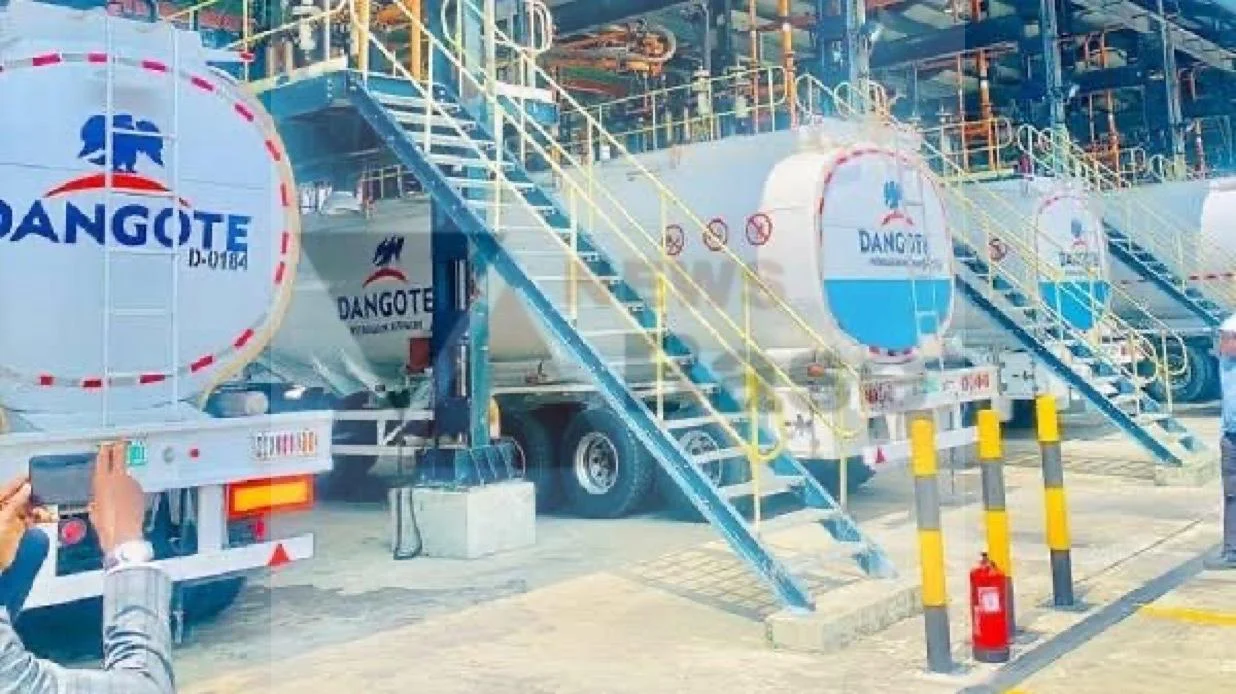
The Dangote Petroleum Refinery has reduced its diesel gantry price by ₦200 per litre, lowering the ex-depot cost from ₦1,800 to ₦1,600 per litre amid the arrival of fresh imported fuel shipments into Nigeria.
The latest price adjustment, which reportedly took effect earlier this week, has intensified competition within Nigeria’s downstream petroleum sector as marketers and importers continue to battle for market share.
Industry stakeholders said the reduction followed the arrival of several vessels carrying imported petroleum products into the country, increasing product availability and putting pressure on depot owners and refiners to review prices downward.
Speaking on the development, the Petroleum Products Retail Outlets Owners Association of Nigeria (PETROAN) described the move as a positive sign for consumers and businesses struggling with high energy costs.
According to the association, increased competition between local refiners and importers could eventually lead to more stable and affordable fuel prices nationwide.
The association’s National Public Relations Officer, Dr. Joseph Obele, noted that the fresh supply of imported diesel and other petroleum products appears to have influenced the refinery’s decision to slash prices.
Analysts believe the reduction may create challenges for fuel importers whose products were purchased at higher landing costs. Some marketers claimed the new Dangote diesel price is now below the estimated landing cost of imported diesel, making it difficult for importers to compete profitably.
The development comes amid ongoing debates over fuel import licences issued by the Nigerian Midstream and Downstream Petroleum Regulatory Authority (NMDPRA). Dangote Refinery had previously argued that locally refined petroleum products should receive greater priority in Nigeria’s fuel market.
Since commencing operations, the refinery has continued to make several price adjustments across petroleum products, with observers saying the strategy is aimed at strengthening its position in the country’s liberalised downstream sector.
Many transporters, manufacturers, and business owners are expected to welcome the diesel price reduction, as diesel remains a major source of power for industries and commercial activities across Nigeria.
More details here...