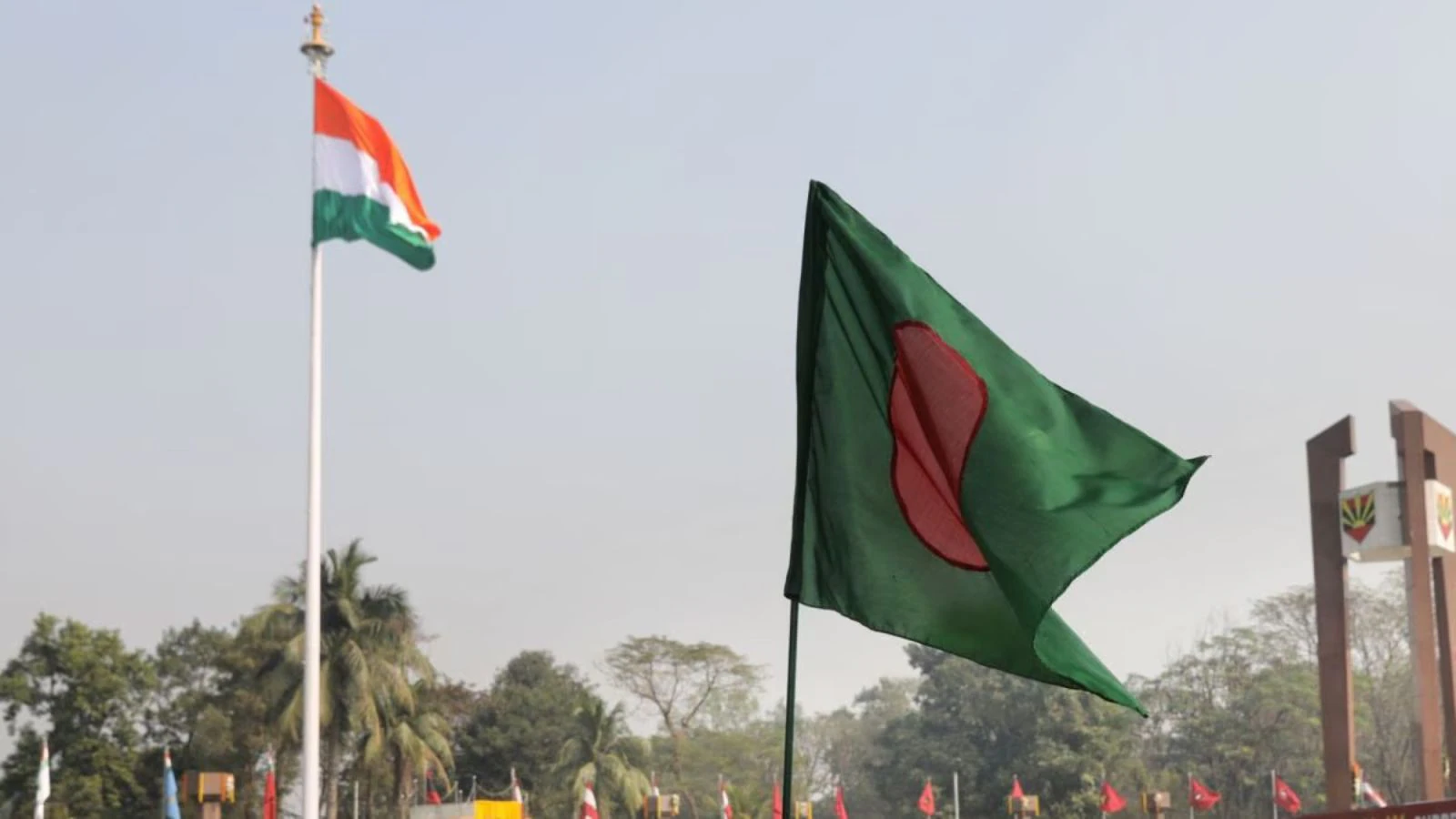
The Bangladesh Nationalist Party (BNP) stated that the trajectory of Bangladesh’s relations with India will depend on negotiating a new Ganges water-sharing agreement, and called for discussions to begin well before the existing treaty expires in December.
BNP secretary general Mirza Fakhrul Islam Alamgir said Dhaka wants a fresh deal that reflects the country’s needs. “We want to send a clear message to the Indian government that a new treaty must be finalised through discussions in line with the expectations of the people of Bangladesh,” he said at an event in Dhaka.

What is Ganges water treaty?
The existing Ganges Water Sharing Treaty between India and Bangladesh was signed in 1996 and is due to end later this year.
Alamgir said good relations between the two countries would depend on the renewal of the agreement.
“The opportunity to build strong ties with India will depend on the signing of the Ganges treaty,” he said.
Story continues below this ad
He added that the current pact should continue until a new agreement is reached, and suggested that future arrangements should not be limited to a fixed time period.
The remarks come amid discussions over Bangladesh’s plan to build a barrage on the Padma river.
Dhaka says the project is aimed at managing water flow and addressing concerns linked to the Farakka Barrage in India.
The Ganges, known as the Padma in Bangladesh, is a key source of water for agriculture and daily use.
Story continues below this ad
A large section of the population depends on the river system for livelihood.
Water-sharing between the two countries has remained a sensitive issue. Bangladesh has raised concerns over reduced water flow during the dry season, while India has maintained that the Farakka Barrage is needed to manage silt and support navigation.
The BNP also referred to other pending water-sharing issues, including the Teesta agreement, which has not yet been finalised.