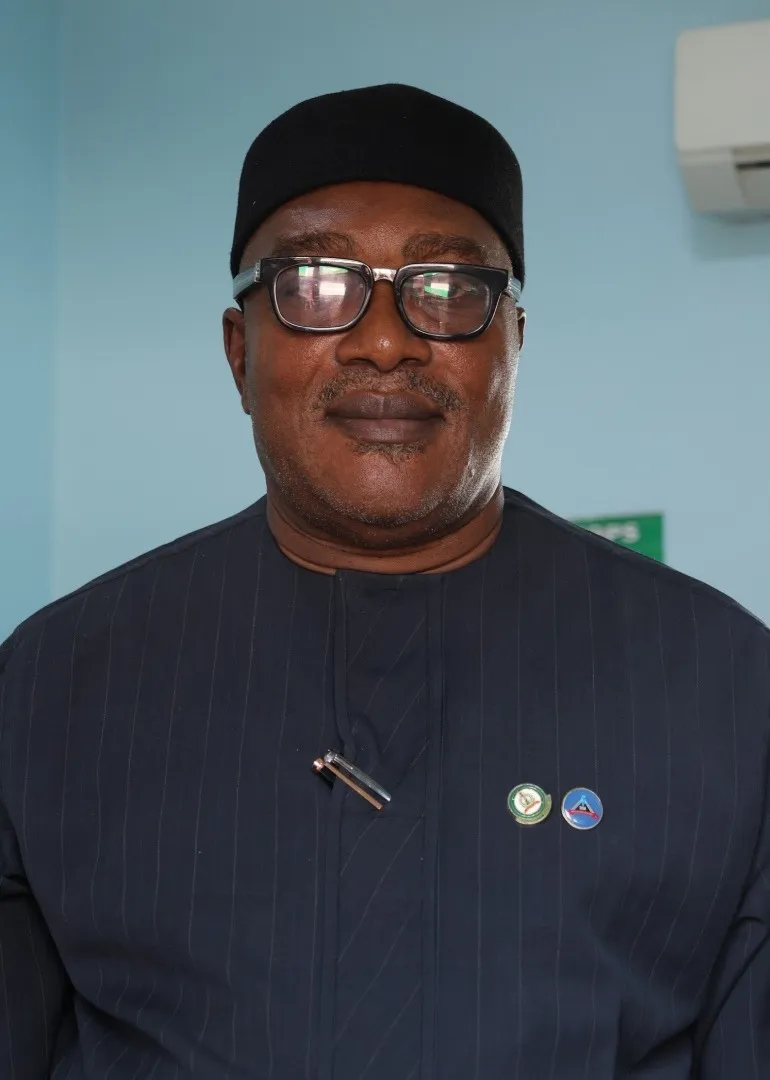
The Department of State Services (DSS) has taken custody of former Kaduna State Governor, Nasir el-Rufai, shortly after a Federal High Court sitting in Abuja granted him bail, triggering a fresh controversy over alleged breaches of court-ordered custody arrangements and claims of intimidation by security agencies.
The development followed proceedings before Justice Joyce AbdulMalik of the Federal High Court, where el-Rufai was granted bail in a case linked to alleged infractions involving the Office of the National Security Adviser. However, confusion later emerged over whether the former governor should remain in the custody of the Independent Corrupt Practices and Other Related Offences Commission (ICPC) or be transferred to the DSS.
Family members alleged that despite existing directives, operatives of the DSS took over custody of the former governor after the court session. They insisted that earlier arrangements required el-Rufai to remain with the ICPC pending further legal directions.
Speaking outside the DSS facility in Abuja, el-Rufai’s wife, Hasiat el-Rufai, accused security operatives of sustained harassment, surveillance and psychological pressure on the family.
She alleged that the family had been living under constant fear, including threats of raids and monitoring of communications.
“We live in constant fear. DSS, police, ICPC—we are always told they are coming,” she said, alleging that their phones were being monitored.
She further claimed that after the morning court session, el-Rufai was moved between the DSS and ICPC custody in what she described as repeated and confusing transfers.
According to her, the former governor resisted being moved, insisting on compliance with existing court directives. She quoted him as saying, “I am not a furniture to be moved,” while objecting to the transfer.
Hasiat el-Rufai also alleged that the former governor, who she said had spent about 91 days in detention, had been denied consistent access to his personal doctors despite a court order permitting unrestricted medical attention.
She claimed medical follow-ups were obstructed, raising concerns about his health condition while in custody.
“When tests are conducted, doctors are expected to review them, but that has not been allowed,” she said.
Family, allies demand compliance with court orders
The family called for strict adherence to court directives, insisting that el-Rufai should be returned to ICPC custody and granted full access to his lawyers and doctors.
His son, Bello el-Rufai—member of the House of Representatives—also criticised the handling of the case, questioning both the prolonged detention and the stringent bail conditions imposed by the court.
“Who keeps a person for 91 days? Why make bail conditions practically impossible?” he asked.
The El-Rufai Support Group Association, through its Director-General, Dr. Uche Dialla, described the repeated transfers between security agencies as a form of psychological pressure.
He argued that the treatment amounted to “systematic intimidation,” insisting that custody changes should cease in compliance with judicial directives.
Similarly, Senator Lawal Adamu, representing Kaduna Central, called for the former governor’s release, noting that he voluntarily returned to Nigeria to respond to investigations after being invited by anti-graft agencies.
“He came back on his own after invitation. He should not be treated unfairly,” the senator said.
However, security sources disclosed late Monday that el-Rufai had been returned to ICPC custody following consultations among relevant legal and security authorities, suggesting a possible resolution to the custody dispute.