2 min readMay 2, 2026 05:05 PM IST
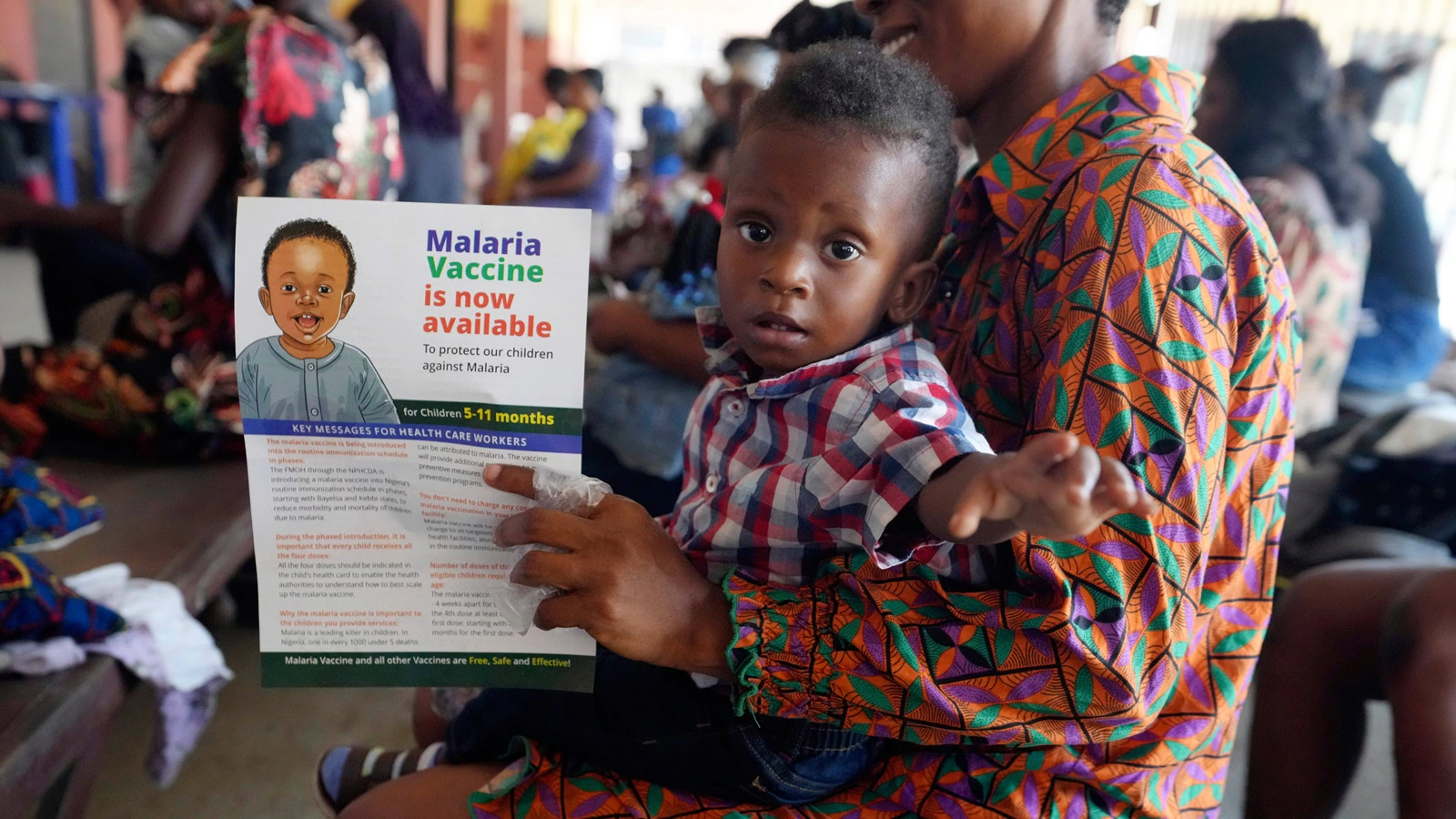
For decades, doctors treating malaria in newborns have relied on scaled-down doses of medicines meant for older children, with no formulation designed for even younger patients. That gap has now closed, with the World Health Organization (WHO) prequalifying the first malaria treatment developed specifically for infants weighing between 2 and 5 kg.
The treatment, a formulation of artemether-lumefantrine (common brand name: Coartem), allows governments and public health agencies to procure a quality-assured drug tailored to babies and young infants. The WHO, in its statement, said the move will expand access to safer, more accurate treatment for a group that has remained underserved in malaria care.
Treatment gap for infants
Infants with malaria have so far received adjusted doses of medicines designed for older children, increasing the risk of errors and side effects. The WHO said the newly prequalified formulation provides an age-appropriate option and addresses safety concerns.
WHO Director-General Tedros Adhanom Ghebreyesus said a combination of vaccines, diagnostics and improved treatments is strengthening the global malaria response.
New diagnostic tests
The WHO has also prequalified three rapid diagnostic tests to tackle emerging detection challenges. Most existing tests identify the HRP2 protein in Plasmodium falciparum, but some parasite strains no longer produce this protein, leading to missed cases.
The new tests detect an alternative protein, pf-LDH, which the WHO said improves accuracy where HRP2-based tests fail. The agency recommends countries switch when more than 5% of infections go undetected due to such mutations.
Global burden
Malaria caused an estimated 282 million cases and 610,000 deaths in 2024, according to World Malaria Report 2025. Children under five account for a majority of deaths, largely in Africa.
Story continues below this ad
WHO said global progress has slowed due to drug and insecticide resistance, diagnostic gaps and declining international funding, despite major gains since 2000, including billions of infections prevented.
Stay updated with the latest – Click here to follow us on Instagram
© The Indian Express Pvt Ltd