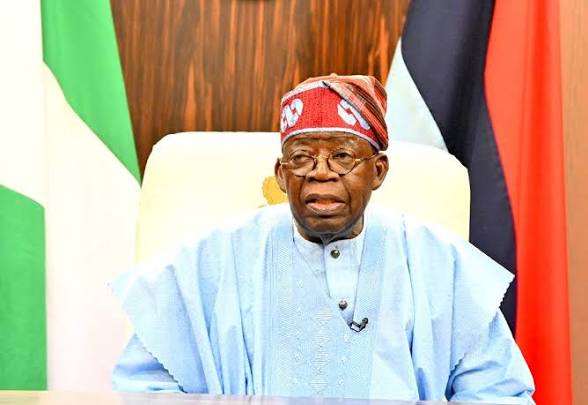
President Bola Tinubu has said that the removal of fuel subsidy was a necessary decision that prevented Nigeria from slipping into bankruptcy and placed the country on the path toward economic recovery.
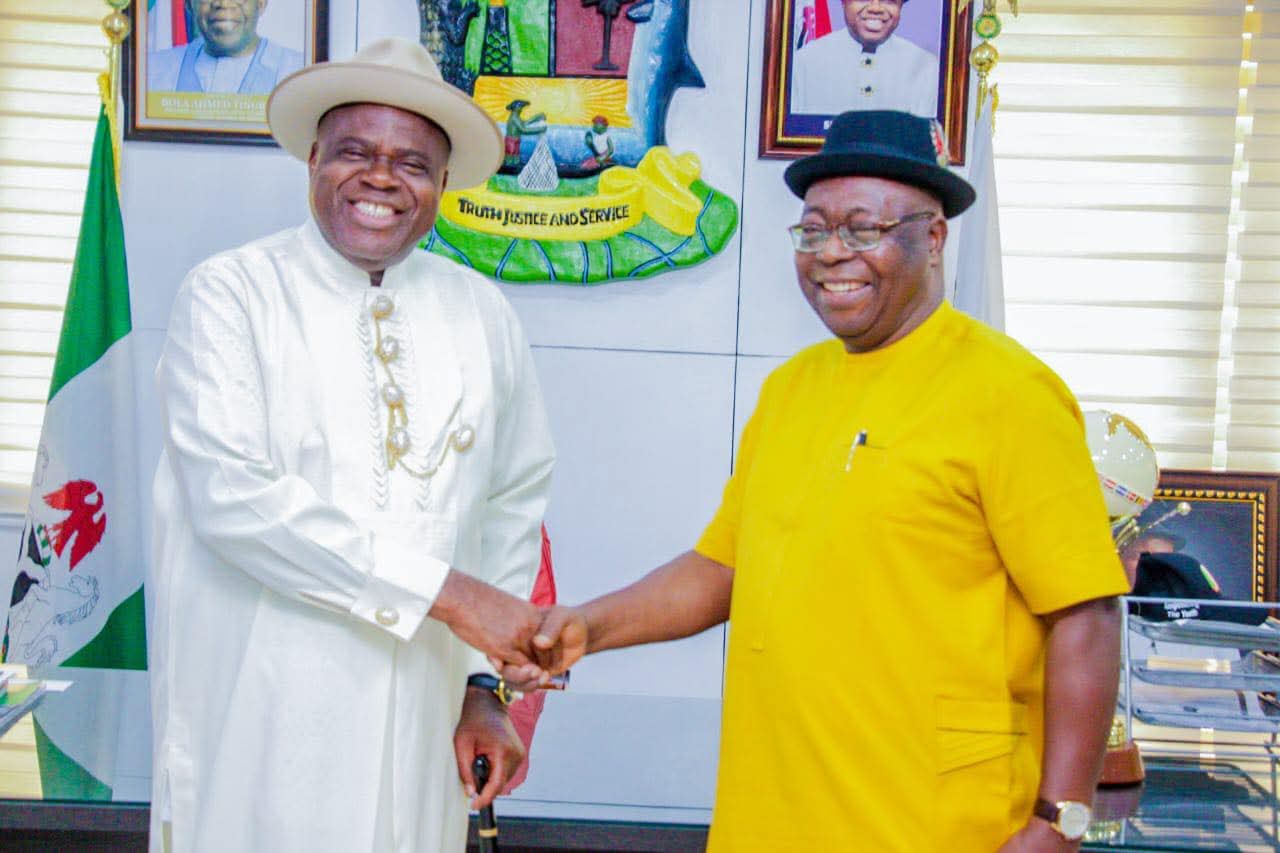
The President made the remarks while hosting state governors in Lagos during the Sallah celebration and activities marking the third anniversary of his administration. According to him, the country was facing serious fiscal challenges before the policy was introduced, making urgent reforms unavoidable.
Tinubu acknowledged that the removal of the subsidy created hardship for many Nigerians, especially as fuel prices and transportation costs increased across the country. However, he maintained that continuing with the subsidy regime would have pushed the nation deeper into financial trouble and limited the government’s ability to invest in critical sectors.
The President explained that billions of naira were being spent on subsidy payments for years, placing enormous pressure on public finances. He argued that the funds previously used to sustain the subsidy can now be redirected toward infrastructure, education, healthcare, agriculture, and other development projects that directly benefit citizens.
Tinubu also pointed to signs of economic improvement since the reforms were introduced. He said government revenues have increased, investor confidence has improved, and several infrastructure projects are currently being executed across different parts of the country. The administration believes these developments are laying the foundation for long-term economic stability and growth.
While concerns remain over inflation and the rising cost of living, the President insisted that the difficult decisions were necessary to correct structural problems within the economy. He assured Nigerians that his government would continue implementing policies aimed at reducing hardship, creating jobs, strengthening food security, and expanding economic opportunities.
Tinubu further stated that the reform agenda was designed to secure the country’s future and prevent a deeper economic crisis. According to him, choosing reform over political convenience was essential to restoring stability and positioning Nigeria for sustainable development in the years ahead. Read more…