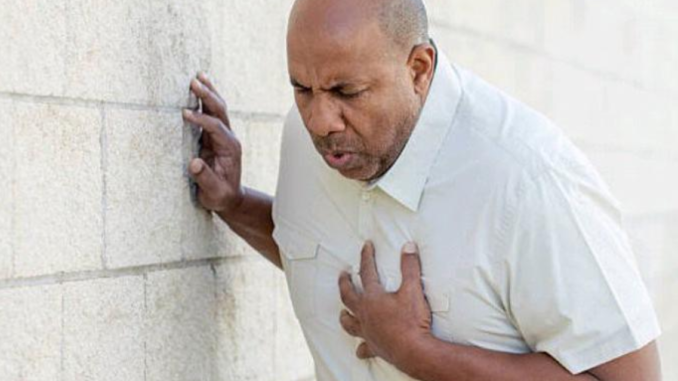
A heart attack is a medical emergency that can be life-threatening, especially when it occurs while a person is alone. Health experts stress that quick action during the first few minutes can significantly improve survival chances and reduce long-term damage.…....
A heart attack, medically known as Myocardial Infarction, happens when blood flow to a part of the heart is blocked, often due to a clot in narrowed arteries. Without oxygen, heart muscle tissue begins to deteriorate rapidly. Conditions such as Coronary Artery Disease are commonly linked to heart attacks, with risk factors including high blood pressure, diabetes, smoking, and high cholesterol.
When symptoms begin, such as chest pain, shortness of breath, or discomfort spreading to the arm, jaw, or back, experts recommend staying as calm as possible. Panic can increase heart strain, so slow and controlled breathing is advised while preparing to act.
The most critical step is to call emergency services immediately. Delaying medical help to “wait it out” can be dangerous. Early intervention greatly increases the chances of survival and recovery.
If previously advised by a healthcare professional and there is no allergy, chewing an aspirin may help. Aspirin works by reducing blood clotting, potentially improving blood flow while waiting for emergency responders.
Individuals are also advised to sit or lie down in a comfortable position, preferably with the upper body slightly elevated. Resting helps reduce the workload on the heart and prevents further strain.
Medical professionals strongly warn against attempting to drive to the hospital alone. A worsening condition could lead to loss of consciousness, putting both the individual and others at risk. Instead, waiting for emergency responders or calling someone nearby for assistance is considered safer.
Equally important is knowing what to avoid. Physical activity should be minimized, no walking around, lifting, or sudden movements. Ignoring symptoms or attempting self-treatment with home remedies can delay life-saving care. A heart attack requires immediate professional medical attention, not self-diagnosis.
In summary, experts emphasize three key actions: act quickly, remain calm, and seek medical help without delay. In cases of heart attack, every second counts, and informed decisions can make the difference between life and death.