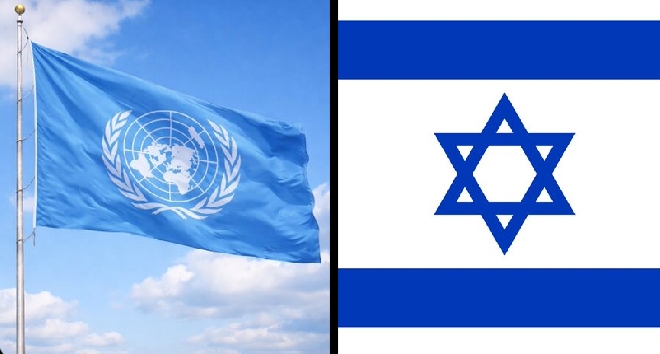
The United Nations has added Israel to its annual blacklist of parties credibly suspected of conflict-related sexual violence, according to a BRICSinfo report citing Reuters. The move places Israel on the same list as Hamas, a development that has intensified diplomatic tensions between Israel and the UN.
The listing follows a 2025 “on notice” warning issued in the UN Secretary-General’s report on sexual violence in conflict. That earlier report flagged concerns and gave parties time to address allegations. The latest update covers documented cases involving Israeli security forces, prisons, and detention settings in Gaza and the West Bank. The UN compiles this blacklist each year based on investigations, testimonies, and reports from UN agencies and partners working in conflict zones. Inclusion does not mean a legal conviction, but it signals credible suspicion requiring further scrutiny and action.
Israel has strongly rejected the allegations. Officials describe them as fabricated and biased, arguing that the UN report ignores the context of Israel’s fight against terrorism and fails to hold Hamas accountable to the same standard. Israel’s UN ambassador went further, calling the listing “blood libel” and announcing a cutoff of ties with the office of the UN Secretary-General until his term ends. The phrase “blood libel” references historic false accusations against Jewish people and signals how seriously Israel views the move.
The UN maintains that the list is evidence-based and applies the same criteria to all parties in conflict. Previous editions have included state and non-state actors from Sudan, Myanmar, the Democratic Republic of Congo, and other countries. The goal, the UN says, is to document violations, pressure perpetrators, and support survivors, not to make political judgments. Once listed, parties are expected to develop action plans with the UN to prevent violations, investigate cases, and hold perpetrators accountable. Removal from the list depends on demonstrated progress.
Human rights groups have welcomed the inclusion, saying it shows that no actor is above scrutiny when it comes to protecting civilians. They argue that sexual violence in detention and conflict settings has long been underreported, and that listing creates pressure for investigations and justice. Critics of the UN, however, claim the process is politicized and that Israel is being singled out while other actors receive less attention….See More