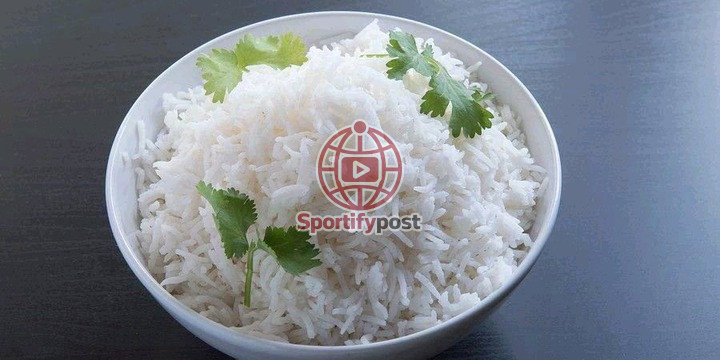
White rice is one of the most common foods in many homes. It is affordable, easy to cook, and goes well with many meals. However, eating too much white rice regularly may lead to several health problems. This is because white rice loses some important nutrients during processing.…....
One major problem linked to excess white rice intake is weight gain. White rice contains a high amount of carbohydrates and calories. When eaten in large portions without enough physical activity, the body stores extra calories as fat. Over time, this may lead to obesity.
Too much white rice may also increase the risk of type 2 diabetes. White rice has a high glycemic index, which means it raises blood sugar quickly. Frequent spikes in blood sugar can make the body struggle to control insulin levels properly. People who already have diabetes should be careful with the amount they consume.
Another health issue is poor digestion. White rice contains less fiber compared to brown rice or whole grains. Fiber is important for healthy digestion and smooth bowel movement. Eating too much low-fiber food may cause constipation and stomach discomfort.
Heart health can also be affected. Diets high in refined carbohydrates like white rice may increase bad cholesterol levels and raise the risk of heart disease. This becomes worse when white rice is eaten with oily or highly processed foods.
Some people may also feel tired quickly after eating too much white rice. This is because it provides fast energy that does not last long. Blood sugar may rise and drop quickly, leaving a person feeling weak or hungry again after a short time.
White rice is not completely bad when eaten in moderation. The key is balance. Mixing it with vegetables, beans, fish, or lean meat can make meals healthier. Choosing brown rice sometimes can also help increase fiber and nutrients in the body.
Eating a variety of healthy foods is one of the best ways to protect your health and avoid lifestyle diseases.