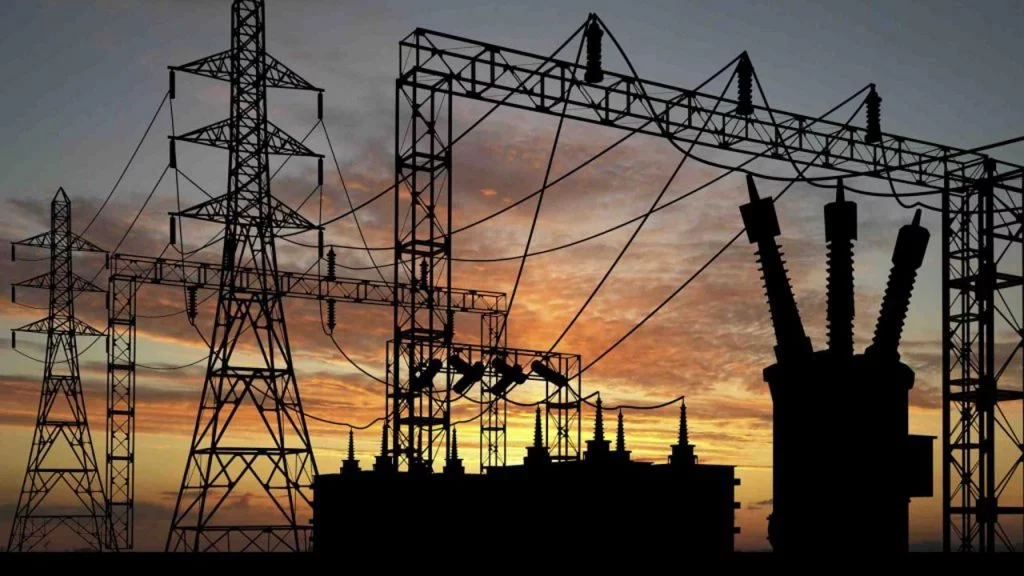
Nigeria’s electricity sector may finally be getting a much-needed shake-up as the nation’s power transmission network records a major breakthrough. The Transmission Company of Nigeria (TCN) has announced a significant increase in national grid capacity following the commissioning of newly constructed 330KV transmission lines in Edo State — a move expected to inject an additional 600 megawatts (MW) into the country’s struggling electricity system.
The announcement was made on Thursday during the official unveiling of the newly completed Ihovbor/Benin and Ihovbor/Ajaokuta 330KV transmission lines in Benin City, Edo State.
Speaking at the event, TCN’s Managing Director and Chief Executive Officer, Engr. Sule Abdulaziz, revealed that the new transmission infrastructure is designed to improve the evacuation of generated electricity — a major challenge blamed for Nigeria’s unstable power supply over the years.
According to him, one of the biggest issues facing the country’s electricity sector has not been power generation itself, but the inability to effectively transport generated electricity to where it is needed.
He explained that before now, power plants often generated electricity that could not be fully transmitted due to inadequate infrastructure, creating serious bottlenecks within the national grid.
However, with the commissioning of the new 330KV lines, Abdulaziz assured Nigerians that more electricity can now be moved across the country, potentially leading to improved supply for homes and businesses.
He stressed that TCN’s role is to transmit electricity from generating plants to distribution companies, while electricity distribution to end users remains the responsibility of power distribution firms.
The TCN boss added that once distribution companies effectively distribute the increased supply, industries, businesses, and residential communities could begin to experience better electricity access.
Describing the project as another major milestone, Abdulaziz said the newly completed infrastructure strengthens Nigeria’s transmission network and improves the movement of bulk electricity from the Ihovbor Transmission Substation to various distribution centers nationwide.
He disclosed that the project strategically links the existing Benin/Ajaokuta 330KV transmission network to the Ihovbor Transmission Substation through two new transmission routes spanning approximately 14 kilometres.
The development, he noted, increases operational flexibility and strengthens the reliability of power delivery, especially within the Benin corridor, while improving access to electricity generated from key power plants.
Abdulaziz further explained that the project would allow TCN to evacuate more electricity generated by the Azura Power Plant and the Niger Delta Power Holding Company (NDPHC) facility, reducing transmission bottlenecks and improving system efficiency.
He maintained that the enhanced grid system would make it easier to move electricity generated from the Benin axis to different parts of Nigeria, regardless of location.
The TCN CEO also reaffirmed the company’s commitment to expanding transmission infrastructure nationwide, noting that the goal is to build a stronger and more future-ready electricity grid capable of meeting growing demand.
Providing additional insight into the project, Managing Director of Energo Company, Predrag Mihel, revealed that the construction involved approximately 14 kilometres of double-circuit 330KV transmission lines, supported by 30 towers and foundations, including dead-end, suspension, and angle towers.
Meanwhile, the traditional ruler of Ihovbor/Evbueka Kingdom, HRH Fortune Igbinakenzua, applauded TCN for bringing such a major infrastructure project to the community.
Represented by Mr. Imafidon Eliot, Secretary of the Ihovbor Community Working Committee, the monarch also appealed to the company to establish a permanent workstation in the area to create employment opportunities for local residents.
For many Nigerians frustrated by years of erratic electricity supply, the big question now remains: Will this 600MW boost finally translate to more stable power in homes and businesses — or will distribution challenges continue to dim the hope? ⚡