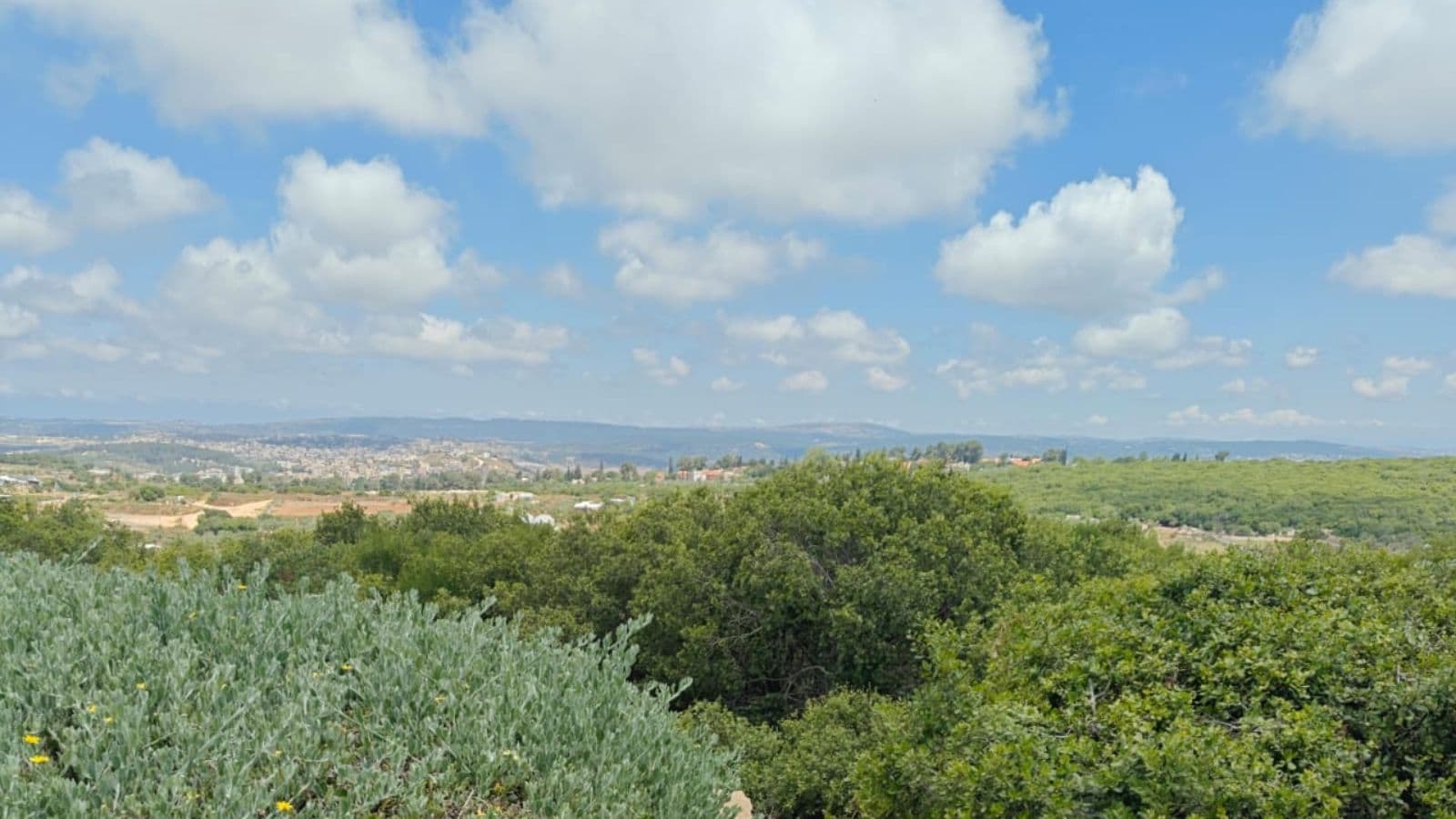
Tefen, Northern Israel:
Even after repeated ceasefire announcements, the sound of drones and warning sirens continues to dominate life across northern Israel near the Lebanon border.
NDTV reports from Tefen, one of the most sensitive conflict zones along Israel’s northern front, where Hezbollah attacks continue to keep both civilians and security forces under pressure.
Hezbollah has launched nearly 1,500 attacks across Israel between April 17 and May 26 despite the ceasefire declared on the northern front, as per Israeli security assessments and research shared by the Alma Research and Education Centre.
The attacks have included rockets, artillery fire and explosive drones targeting Israeli military positions and border communities.
Just a day ago, one Israeli soldier was killed and three members of a quick response team were seriously injured in a Hezbollah drone strike near the border. Hezbollah has increasingly shifted towards explosive UAV attacks that are more difficult to intercept and are designed to hit military patrols and civilian emergency teams, Israeli officials say.
According to estimates by security experts, Hezbollah’s force is close to 50,000 fighters, including reserve units. Israeli officials also claim Hezbollah’s elite Radwan Force had long prepared plans to infiltrate and capture parts of northern Israel in the event of a wider regional war.
Since the war erupted after October 2023, Israel says it has carried out extensive operations against Hezbollah leadership and infrastructure. Israeli military assessments claim over a thousand Hezbollah operatives have been killed during the conflict, including senior commanders eliminated in targeted strikes through 2024.
Experts tracking the conflict say Iran continues to play a central role in shaping Hezbollah’s strategy along the northern front, using the pressure on Israel as part of a broader regional confrontation.
For residents living near the Lebanon border, the ceasefire remains only on paper. The fear of the next drone strike or rocket attack continues to hang over daily life in northern Israel.