
Stakeholders have called for increased public trust, awareness and voluntary compliance as Nigeria’s new tax laws come into effect, with emphasis on transparency, economic growth and protection for low-income earners.
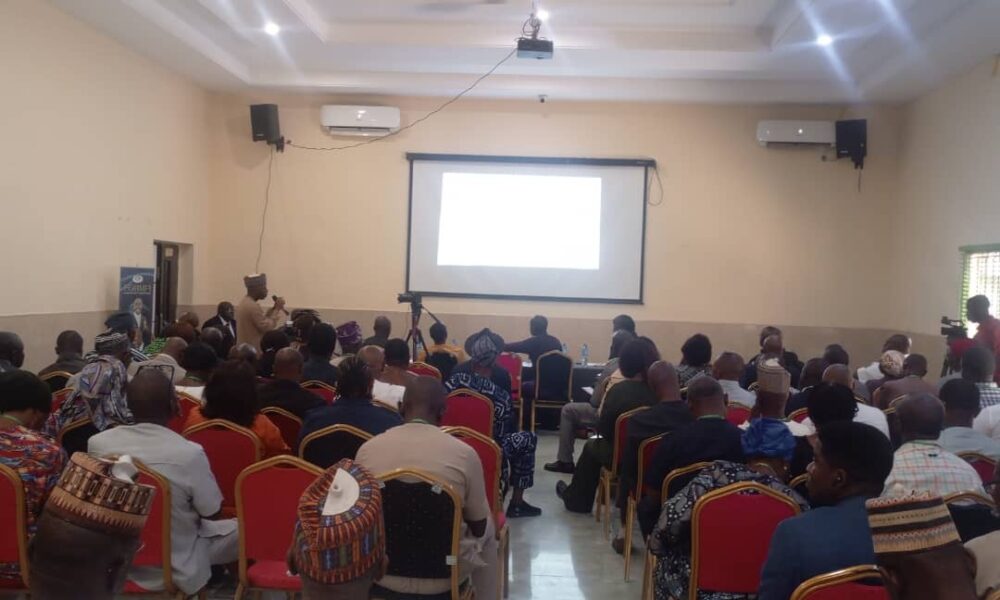
This was the focus at a public enlightenment seminar organised in Kaduna over the weekend by the Full Gospel Business Men’s Fellowship International, aimed at sensitising citizens on the new tax framework introduced in January 2026.
The President of the fellowship, Barrister Isaac Okpanachi, said the new tax regime was designed to improve accountability, block revenue leakages and support economic growth in the face of declining reliance on oil revenue.
He said meaningful national development could only be achieved when citizens willingly fulfilled their civic responsibilities through tax compliance.
Okpanachi explained that the new tax laws contained several exemptions to reduce pressure on low-income earners and support small and medium-scale businesses.
“Citizens must understand that there are many exemptions in the new tax laws to avoid burdening low-income earners so that small and medium enterprises can grow and contribute to national development,” he said.
He noted that the reforms target high-income earners, adding that individuals earning above certain thresholds would contribute a percentage of their income to support government provision of infrastructure, security, healthcare and other public services.
According to him, the reforms are also designed to eliminate multiple taxation, digitise the tax system and reduce leakages in the previous structure.
“We must not allow government to fail as we have seen in other places where there is no strong system to maintain law and order. These reforms are meant to strengthen governance,” he added.
Also speaking, a representative of the Nigeria Revenue Service, Ishaku Ankuma, said individuals earning below N800,000 annually after statutory deductions are exempted from tax under the new law.
He warned that tax evasion would attract penalties including fines, audits and reputational consequences for businesses.
Another presenter, Ismail Abdullahi, urged business owners to build trust in government tax systems and seek proper guidance from tax authorities to avoid infractions that could affect their operations.
He said the new tax laws were not designed to impose hardship, but to improve efficiency, accountability and value for taxpayers’ money.
The event was attended by entrepreneurs, private sector operators and other stakeholders who expressed support for improved tax education and citizen engagement in the reform process.