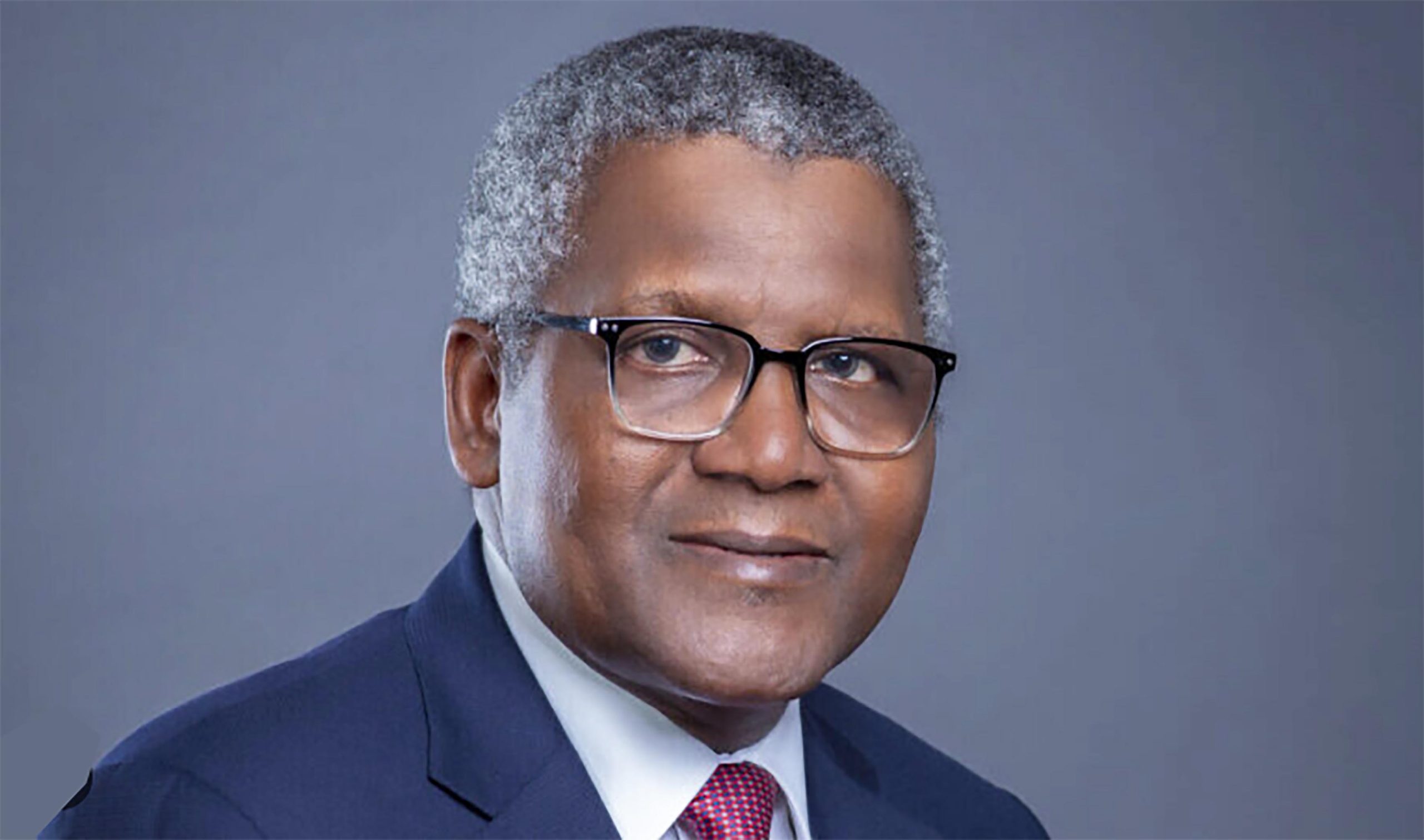
Les Ojugbana, founder of Lagos-based FarmAfrik, has praised Aliko Dangote for what he described as “extraordinary efforts and performance” in transforming Africa’s energy and industrial landscape.
Ojugbana, who comes from the respected Ojugbana family — known for its long history of business consultancy and advisory work across multiple sectors in both private enterprise and government institutions — said industrial leadership and energy independence remain essential to Africa’s economic future.
Speaking on energy policy, economic sovereignty and industrial development, Ojugbana described the Dangote Refinery as one of the most important economic projects in modern African history.
“Aliko Dangote is a national treasure and should be protected for his contribution not just to Nigeria or Africa, but to the world,” Ojugbana said. “The Dangote Refinery has been a Godsend since it came online, and we will continue to praise and support his endeavours.”
Ojugbana used the opportunity to criticise the United Kingdom’s current energy strategy, arguing that Britain’s aggressive push towards green policies has weakened its economy while increasing dependence on foreign energy imports.
“The UK has got it totally wrong on going green,” he said. “We now have some of the highest energy costs in the world, yet Britain continues buying energy from countries profiting from fossil fuels while shutting down its own production.”
According to Ojugbana, the policy contradiction is particularly visible in the North Sea, where neighbouring countries continue drilling and profiting from oil and gas reserves.
“Norway is operating and profiting from drilling on the UK’s own sea border,” he said. “Britain is abandoning its own resources while purchasing energy back from others. That makes no economic sense.”
The Farmafrik founder argued that affordable energy is fundamental to economic growth, industrial competitiveness and national independence.
“No serious economy can survive without reliable and affordable energy,” he said. “Pushing ordinary people into energy dependency and energy poverty in the name of ideology is economically catastrophic.”
Ojugbana also questioned the effectiveness of Britain’s climate strategy on a global scale, noting that the UK contributes less than one per cent of global carbon emissions.
“The UK damaging its own economy will not significantly change the global climate system,” he argued. “Meanwhile, larger economies continue industrial expansion and fossil fuel production. Britain’s current approach is economically self-destructive.”
In contrast, Ojugbana praised Nigeria’s willingness to utilise its natural resources to drive industrial growth and national prosperity.
“Nigeria is doing it right,” he said. “We drill, we pump, and we profit. Countries must use their natural resources to build wealth, infrastructure and opportunity for their people.”
His remarks come amid wider debates across Europe about rising energy costs, industrial decline, and the long-term economic impact of net-zero policies.