2 min readNew DelhiMay 25, 2026 01:53 PM IST
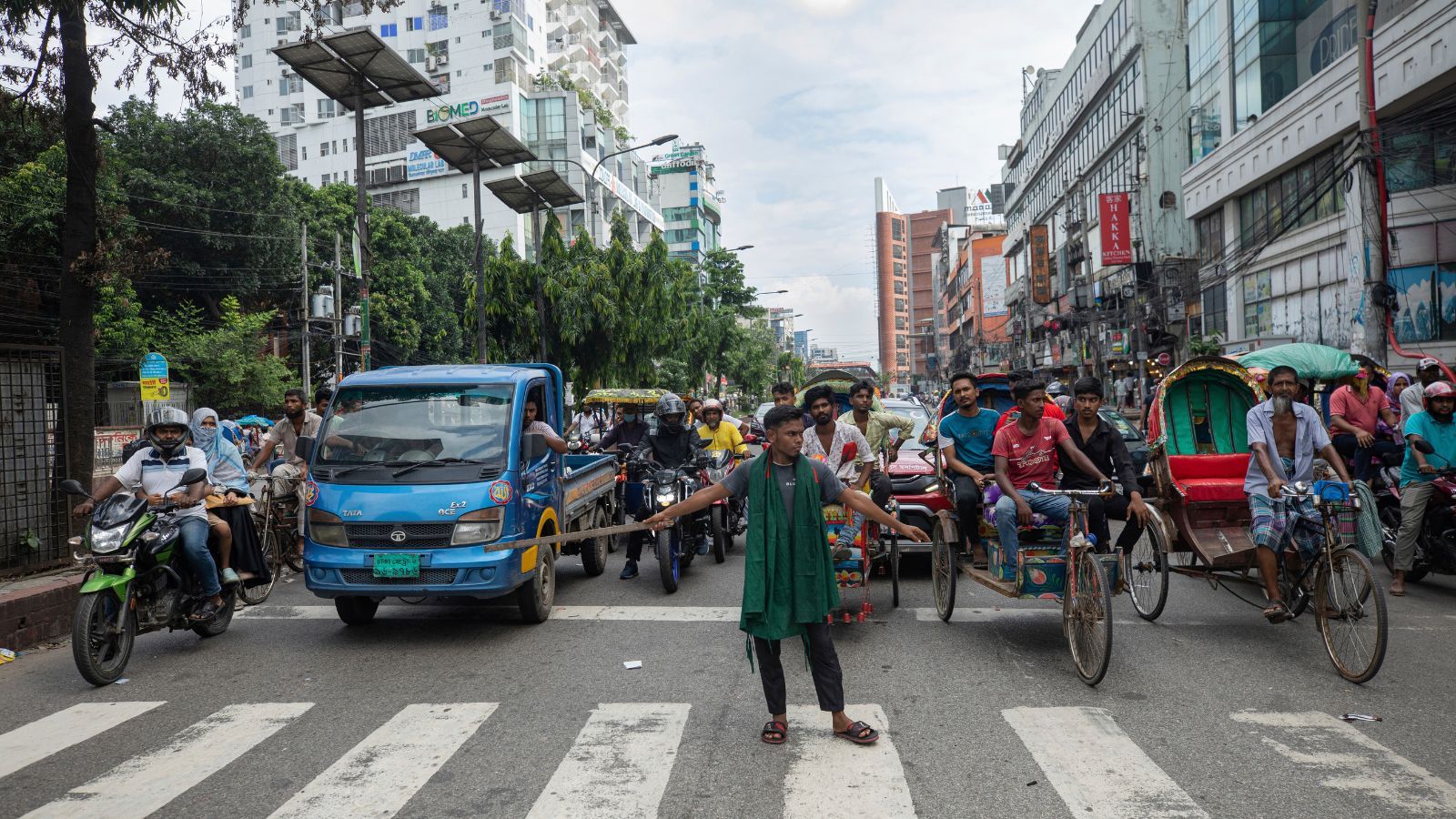
Often featuring on lists of cities with the slowest traffic, driving offences have become a part of daily life in Bangladesh’s densely populated capital as commuters struggle to reach their destinations. In light of this, manual traffic management has taken the backseat as authorities in Dhaka deploy artificial intelligence to manage traffic to avoid confronting irritable drivers over fines.
According to an AFP report, police introduced an AI-powered traffic monitoring system, connecting road surveillance cameras with software that detects traffic violations. Introduced in April, the software currently identifies offences such as running red lights, lane violations and illegal parking and will later include the detection of vehicles driving on footpaths.
The software automatically flags violations, and human operators verify them before the system sends notifications of fines to registered vehicle owners. The system not only saves time in collecting tolls, but also reduces the size of the force that would otherwise be required to track violations manually. The system needs a few dozen monitors and analysts in a control room.
So far, the system has proven to be effective, as drivers fear being fined. It has cut traffic congestion by forcing drivers to follow the rules.
“I ran a red light and the owner of my car, who was sitting at home, received a text message saying that the vehicle had violated traffic rules,” said Jibon, who received an automatic 2,000 taka fine,” AFP reported a motorist as saying.
According to World Bank analysis, a chaotic mixture of high-speed vehicles and low speed vehicles, like the city’s iconic rickshaws, had brought down the average vehicle speed in Dhaka to 7 km per hour. A UN report also projected that such complexities may reduce the average travel speed to 4 km per hour by the year 2035, making walking faster than driving.
Stay updated with the latest – Click here to follow us on Instagram
© IE Online Media Services Pvt Ltd