3 min readUpdated: May 21, 2026 05:57 PM IST
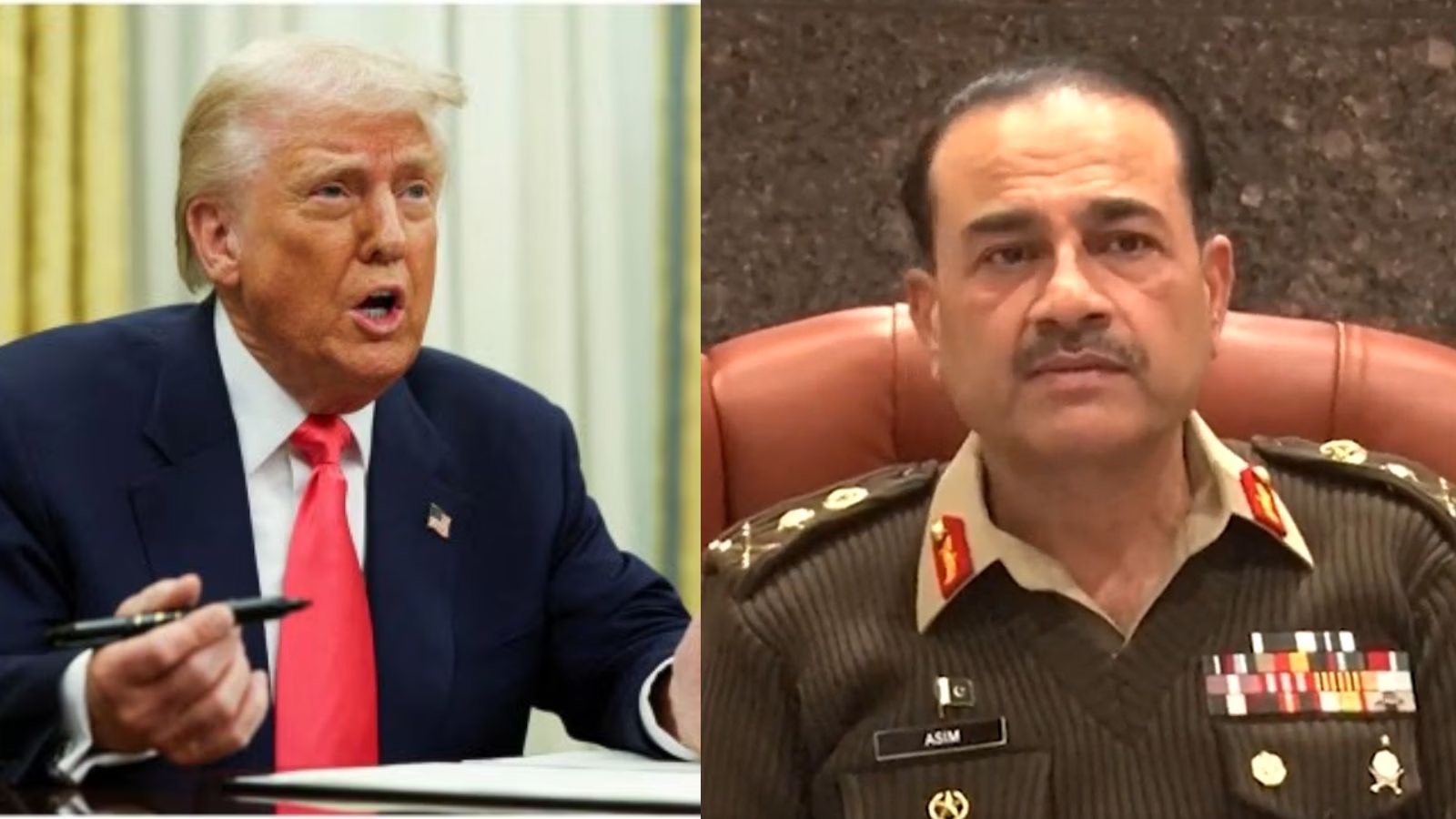
Six weeks after a fragile ceasefire paused the Iran conflict, diplomatic efforts to revive talks between the United States and Iran gathered pace on Thursday, with Pakistan intensifying backchannel mediation even as US President Donald Trump warned Tehran that military action could resume if negotiations failed.
According to Reuters, Pakistan Army chief Asim Munir was expected to decide on Thursday whether to travel to Tehran as part of mediation efforts aimed at accelerating communication between Washington and Tehran. Pakistan’s interior minister had already visited Tehran a day earlier.
“We’re speaking to all the various groups in Iran to streamline communication and so things pick up pace,” a source familiar with the negotiations told Reuters, adding that concerns were growing over Trump’s “patience running thin”.
Speaking to reporters at Joint Base Andrews, Trump said he was prepared to wait only “a few days” for “the right answers” from Tehran. “Either have a deal, or we’re going to do some things that are a little bit nasty,” he said, reiterating that the US would not allow Iran to acquire nuclear weapons.
Iran, meanwhile, said it was reviewing Washington’s latest responses after submitting a fresh proposal earlier this week. Reuters reported that Tehran’s demands continue to include sanctions relief, access to frozen assets, compensation for war damages, and conditions linked to the Strait of Hormuz, terms the Trump administration has previously rejected.
Strait of Hormuz remains under scrutiny
The Strait of Hormuz, through which nearly a fifth of global oil and LNG shipments passed before the war, continues to remain heavily restricted. Iran on Wednesday released a map describing a “controlled maritime zone” in the strait, saying ships would require authorisation to pass through the area.
The development has intensified concerns over global energy supplies and inflation, particularly as oil prices remain elevated.
Story continues below this ad
According to Reuters and shipping monitor Lloyd’s List, at least 54 ships crossed the strait last week, nearly double the number recorded the previous week, though still significantly below pre-war levels of 125-140 daily passages. Two Chinese supertankers and a South Korean oil tanker were among the vessels that crossed in coordination with Iranian authorities.
Iran resumes some drone production
Even as diplomacy continues, security concerns persist. CNN, citing US intelligence sources, reported on Thursday that Iran had resumed parts of its drone production during the ceasefire period.
Iran’s Revolutionary Guards also warned against renewed attacks, saying any future aggression would trigger a “regional war” extending “beyond the region”.
The conflict, launched by the US and Israel with the stated aim of curbing Iran’s nuclear and missile capabilities and weakening its regional influence, has caused thousands of deaths in Iran and widespread displacement in Lebanon. Despite weeks of military action, Iran is believed to have retained its stockpile of near-weapons-grade enriched uranium and parts of its missile and drone infrastructure.
Stay updated with the latest – Click here to follow us on Instagram
© IE Online Media Services Pvt Ltd