3 min readMay 25, 2026 05:01 PM IST
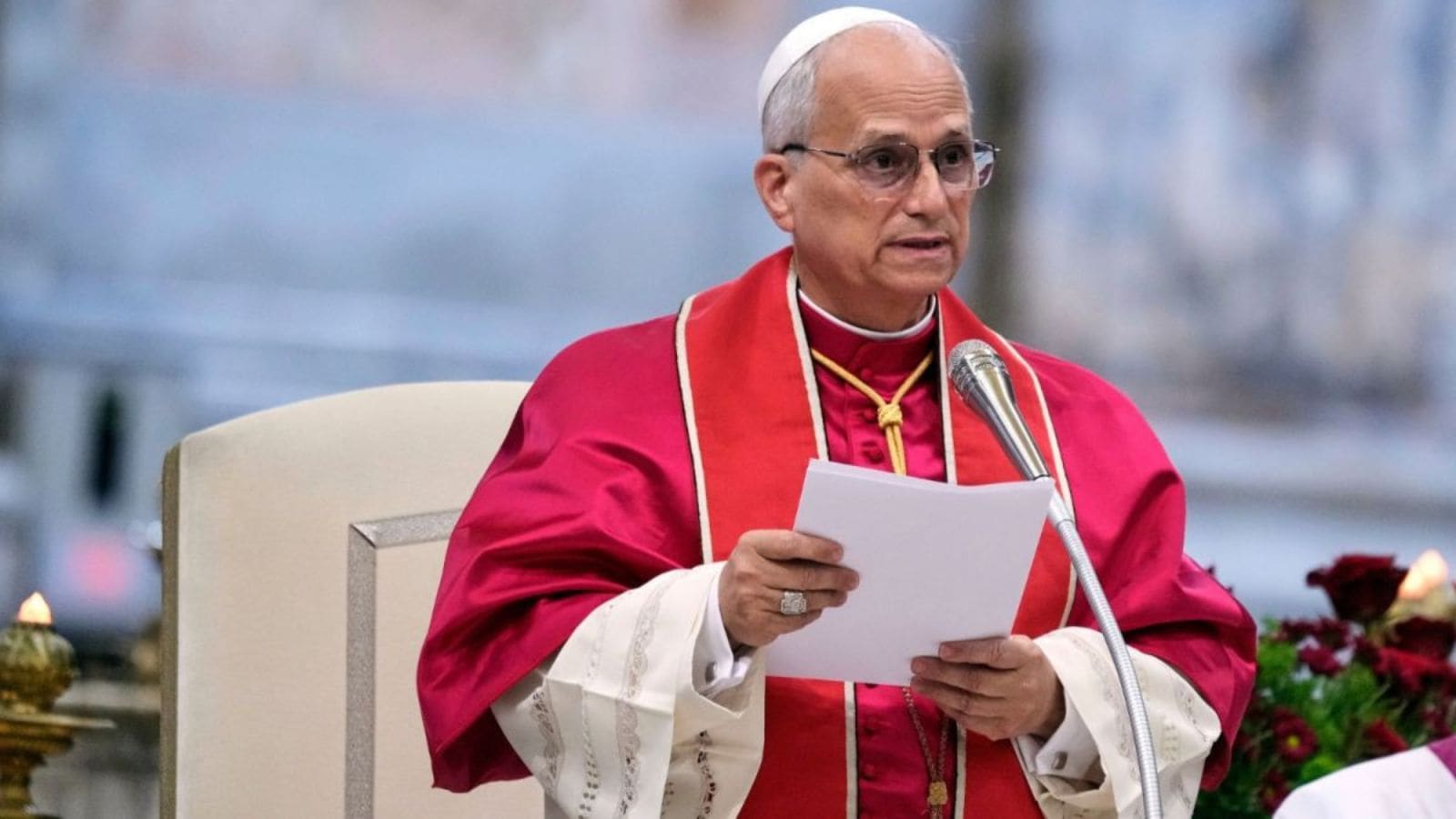
Pope Leo XIV on Monday called for strong global regulation of artificial intelligence, warning that unchecked AI development could deepen inequality, fuel warfare and threaten the very meaning of human dignity, releasing a comprehensive manifesto on protecting humanity, Associated Press reported.
In his first major theological document, Magnifica Humanitas (“Magnificent Humanity”), the Pope said AI systems must not be left solely in the hands of governments or powerful technology companies pursuing profit and geopolitical dominance. Released on Monday, the theological document addresses the moral, social, and geopolitical threats of the digital age, elevating AI ethics to a foundational religious imperative.
Pope Leo described AI as one of the defining challenges of the modern era and urged developers and political leaders to ensure that technology serves humanity rather than “degrade” it. “It is not enough to invoke ethics in the abstract; robust legal frameworks, independent oversight, informed users and a political system that does not abdicate its responsibility are required,” he wrote.
The encyclical repeatedly warned about the concentration of power among a handful of tech firms and criticised what Leo called the “culture of power” driving the global AI race, particularly in military applications. He said it was “not permissible” to allow AI systems to make irreversible lethal decisions in warfare.
According to a report by CNN, the Pope also declared that the traditional Catholic “just war” theory was now “outdated” given modern technological warfare, arguing that military force should only be used in “self-defence in the strictest sense.”
Drawing parallels between AI development and the biblical “Tower of Babel”, Pope Leo warned against systems that “dominate and ultimately dehumanize” society. He also criticised transhumanist ideas that seek to erase distinctions between humans and machines, the report added.
The Vatican unusually involved AI company Anthropic in the launch event, with co-founder Christopher Olah supporting calls for stronger oversight and warning that AI could displace human labour “at a very large scale”.
Story continues below this ad
The 235-page document is already being described by academics and church officials as a landmark intervention in the global AI debate. Paolo Carozza of University of Notre Dame called it a “defining document for our era”, while theologian Anna Rowlands described it as a “rallying cry” for humanity to shape technology ethically.
Pope also linked the AI revolution to the Industrial Revolution addressed by his namesake Pope Leo XIII in the landmark 1891 encyclical Rerum Novarum, arguing that modern societies again face urgent questions about labour, justice and human dignity.
Stay updated with the latest – Click here to follow us on Instagram
© IE Online Media Services Pvt Ltd