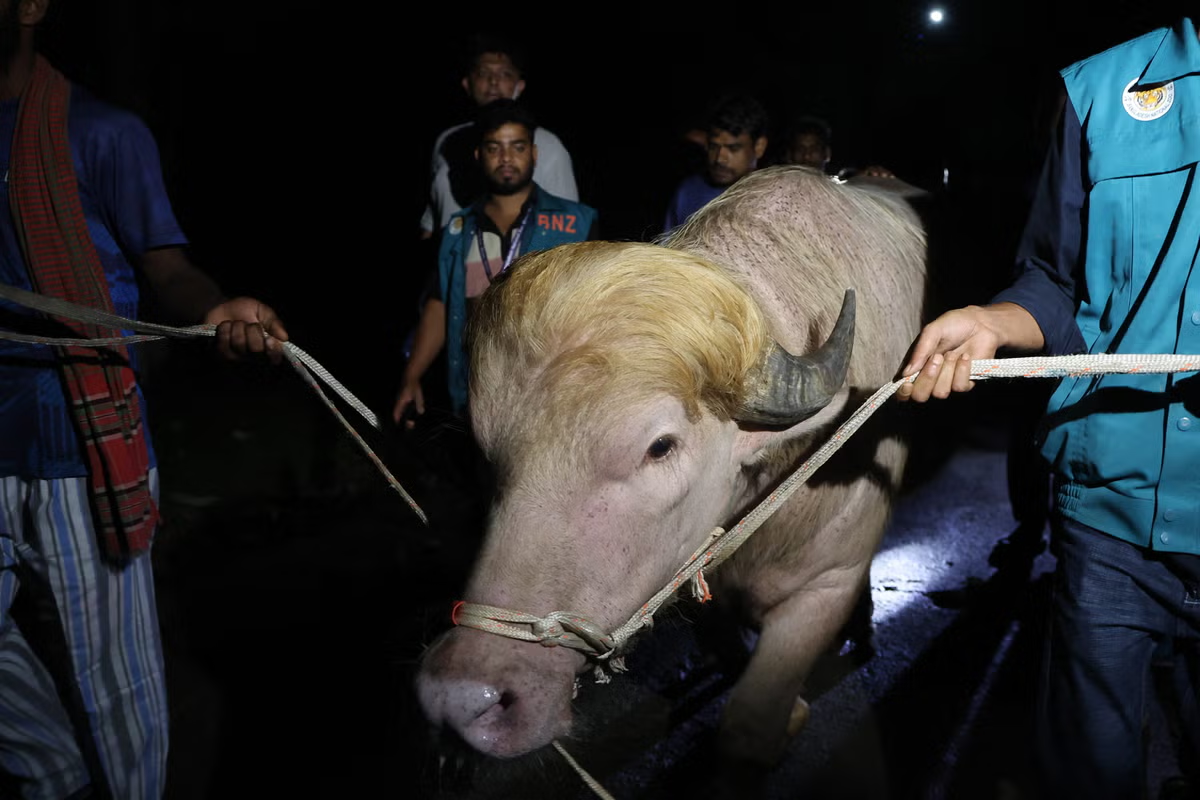
A rare albino buffalo in Bangladesh, nicknamed “Donald Trump” for its distinctive blond tuft, has been spared from Eid al-Adha sacrifice following a last-minute government intervention, a Home Ministry official confirmed on Wednesday.
The nearly 700-kg (1,543 lb) animal had already been sold for ritual slaughter when authorities stepped in.
The intervention was prompted by security concerns which arose from a surge of public interest in the buffalo ahead of Thursday’s festival.
Home Minister Salahuddin Ahmed issued orders for the buffalo to be spared, its buyer to be refunded, and the animal to be relocated to the national zoo in Dhaka.
“At the last moment, the decision was taken to spare the buffalo from sacrifice due to security concerns and the unusual level of public interest,” a ministry official said.
What began as a routine Eid purchase quickly turned into a nationwide curiosity after videos went viral.
Crowds gathered at the farm, with visitors travelling from far afield to see its blond fringe and calm demeanour.
Farm owner Ziauddin Mridha said the name came from his younger brother, who spotted the resemblance.
Mridha added the animal is unusually gentle and needs careful upkeep, including frequent feeding and regular baths.
Albino buffaloes are rare in Bangladesh, where most cattle are dark, making it a standout during the peak Eid livestock season – though it was the nickname that likely saved its life.
Meanwhile, as muslims in Mali prepare to celebrate Eid al-Adha, a blockade by armed groups linked to al-Qaida has sent sheep prices soaring.
As a result, the central ritual of slaughtering an animal and sharing its meat with the poor has been put beyond the reach of many families in the country.
The shortage and high prices are largely due to a blockade of Bamako, the capital city, announced earlier this month by fighters from Jama’at Nusrat al-Islam wal-Muslimin, an al-Qaida-linked group.
The militants regularly attack convoys of trucks and vehicles transporting goods to the capital, often setting them ablaze.
Landlocked Mali depends heavily on fuel and goods trucked in from coastal neighbours like Senegal and Ivory Coast.
The militants’ blockade, analysts say, is designed to strangle the country’s economy and undermine the military government’s legitimacy.
More details here...