The criticism erupted after reports suggested the United States and Iran were moving closer to a temporary agreement aimed at ending months of conflict in the Middle East. Trump recently hinted that the talks would focus on reopening the Strait of Hormuz, one of the world’s most important oil routes, but made no public mention of Iran’s nuclear programme.…....
That silence has alarmed some of Trump’s closest allies on the Republican side.
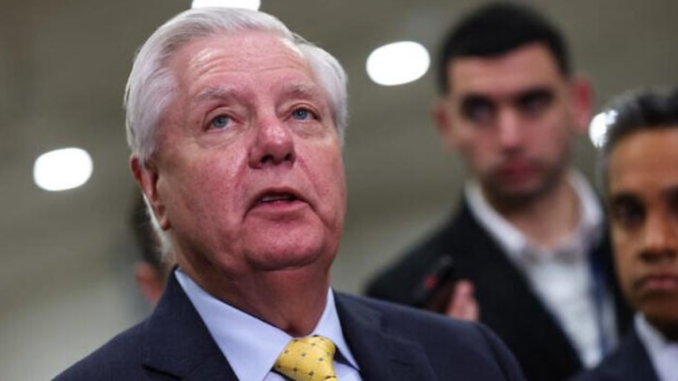
Leading the backlash is Senator Lindsey Graham, one of the strongest supporters of military action against Iran since the conflict escalated earlier this year. Graham warned that allowing Iran to keep its regional power and military influence would have devastating consequences for Israel and America’s Gulf allies.
“If a deal is struck to end the Iranian conflict because it is believed that the Strait of Hormuz cannot be protected from Iranian terrorism and Iran still possesses the capability to destroy major Gulf oil infrastructure, then Iran will be perceived as being a dominate force requiring a diplomatic solution,” Graham wrote on X.
“This combination of Iran being perceived as having the ability to terrorize the Strait in perpetuity and the ability to inflict massive damage to Gulf oil infrastructure is a major shift of the balance of power in the region and over time will be a nightmare for Israel,” he added.
Other Republican heavyweights quickly joined the criticism. Senator Roger Wicker described reports of a possible 60-day ceasefire as “a disaster,” arguing that it would undo military gains made during the war. Senator Ted Cruz also voiced concern, warning against any agreement that leaves Iran with uranium enrichment capabilities or greater control over the Strait of Hormuz.
Former Secretary of State Mike Pompeo piled further pressure on the White House, comparing the proposed deal to the controversial 2015 Iran nuclear agreement negotiated under former President Barack Obama.
The growing revolt highlights deepening cracks inside Trump’s party, with Republicans now split between those demanding tougher military action and others eager to avoid another prolonged Middle East war.