Nutrition experts are pushing people to eat more nutrient-packed seeds as part of keeping their eyes healthy and feeling good overall.…....
Health specialists say that certain seeds are loaded with important vitamins, minerals, antioxidants, and healthy fats that could help protect your eyes from getting damaged as you age and support your vision so you can see properly.
Medical professionals explain that while no single food is going to completely stop you from getting eye diseases, eating a balanced diet that’s full of essential nutrients might lower your chances of running into common vision problems like dry eyes, cataracts, and age-related macular degeneration.
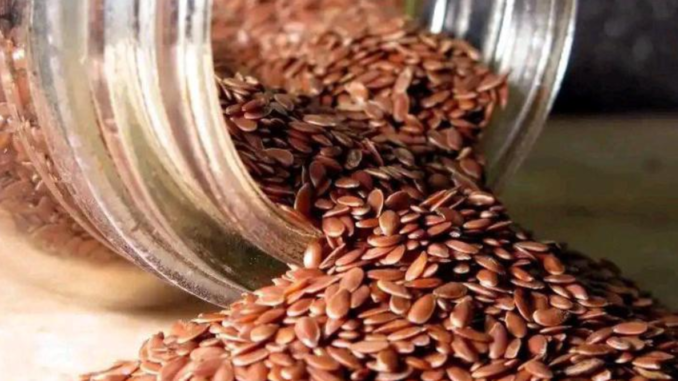
Among the seeds that nutritionists keep recommending for eye health are flaxseeds. Nutritionists say flaxseeds are packed with omega-3 fatty acids, which are really good at supporting the health of your eye cells and helping reduce swelling and inflammation. Research suggests that omega-3 might also help bring down the risk of dry eye syndrome and eye conditions that show up as you get older. Flaxseeds are easy to add to oatmeal, yogurt, smoothies, and baked goods.
Chia seeds are another great option because they’ve got tons of omega-3 fatty acids and antioxidants. Experts say antioxidants work to protect your eyes from damage that comes from harmful molecules called free radicals. Chia seeds also have fiber, vitamins, and minerals that are good for your whole body’s health. Sunflower seeds get recognized for having a ton of vitamin E in them. Eye specialists explain that vitamin E works as an antioxidant that might help protect the tissues in your eyes from damage that happens when you get older. Some studies suggest that getting enough vitamin E might help reduce your chances of getting cataracts and other vision problems. Sunflower seeds also have zinc, which is a mineral that’s connected to protecting your eyes and keeping your vision sharp.
Pumpkin seeds are also considered really good for you because they’re loaded with zinc, which is super important for keeping your retina healthy and supporting your ability to see at night. Zinc helps move vitamin A from your liver to your retina, where it gets used to make protective pigments that you need for eyesight. Pumpkin seeds also give you antioxidants and healthy fats that might help your eyes and brain stay healthy.
Health experts do make a point though that seeds by themselves aren’t going to cure eye diseases or fix poor eyesight. Getting regular eye check-ups, drinking enough water, not straining your eyes too much from screens, and staying out of too much sun are all still really important for keeping your vision in good shape. Doctors also tell people to eat seeds in reasonable amounts as part of eating a balanced diet, especially if you’ve got allergies or certain health conditions that might be affected. Overall, specialists say that adding nutritious foods into what you eat every day might help you take care of your eyes for the long haul and feel better overall.
Out of all these seeds, which one do you think you’d be most likely to add to your diet regularly, and what’s your favorite way to eat seeds if you already include them in your meals?