South Korea’s foreign affairs minister said there are no casualties reported post the explosion and fire on the Korean-operated HMM Namu vessel, which was anchored in waters near the UAE.
Seoul convened an emergency meeting, led by Second Vice Foreign Minister Kim Jina, who expressed “deep concern” and stressed the need to identify the cause of the incident and prevent a recurrence. Seoul is prepared to “take swift action at any time to protect the lives and safety of Korean crew members,” the statement said.
South Korean shipper HMM, which operated the mid-sized bulk carrier, said the fire on the vessel broke out in the engine room, and was extinguished by the crew after a four-hour effort, Yonhap News reported, citing the company. All 24 crew members, including six South Korean nationals, were reported safe with no injuries.
According to that Yonhap report, the South Korean government had received intelligence that the ship was attacked, but was still investigating. “It has not yet been confirmed whether there was an external attack or if the explosion was caused by an internal issue within the vessel,” an HMM official said, according to the Yonhap report. The vessel will be towed to the Port of Dubai, it added.
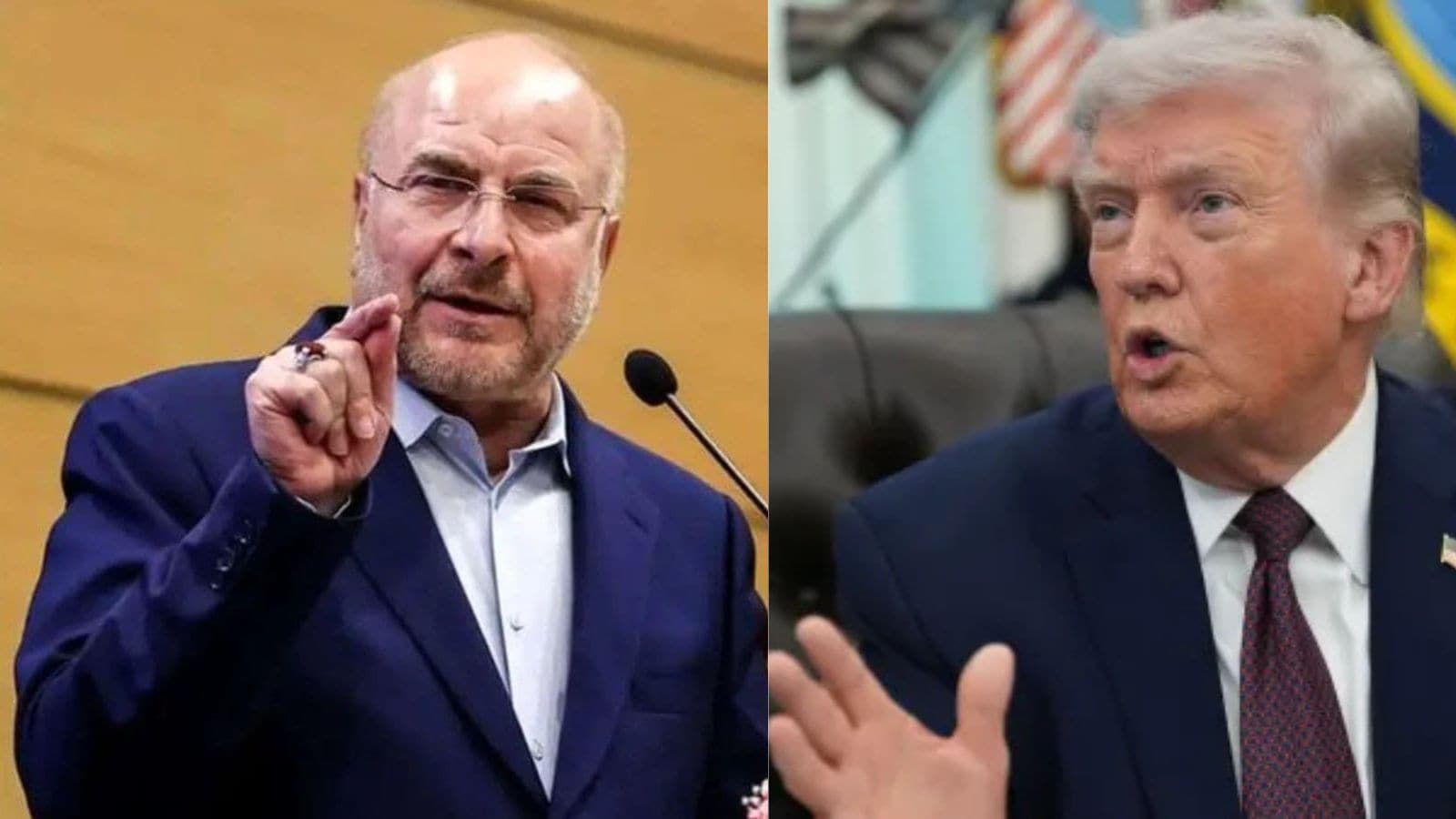
After the incident, US President Donald Trump said “perhaps it’s time for South Korea to come and join the mission” in the Strait of Hormuz, saying in a post on Truth Social that Iran took some shots at a “South Korean Cargo Ship.”
The conflict in West Asia began in late February. South Korea — which imports the majority of its energy, including about 70% of its crude oil via the Strait of Hormuz — has been greatly affected by the Iran-driven energy shock.
With inputs from Bloomberg