SpaceX IPO: When SpaceX finally opens its doors to public investors, the biggest headlines will belong to founder Elon Musk. But hidden behind the headlines is another story.
A story about an Indian-origin investor who stood beside Musk long before reusable rockets entered the picture and long before the Wall Street started treating private space companies with generosity.
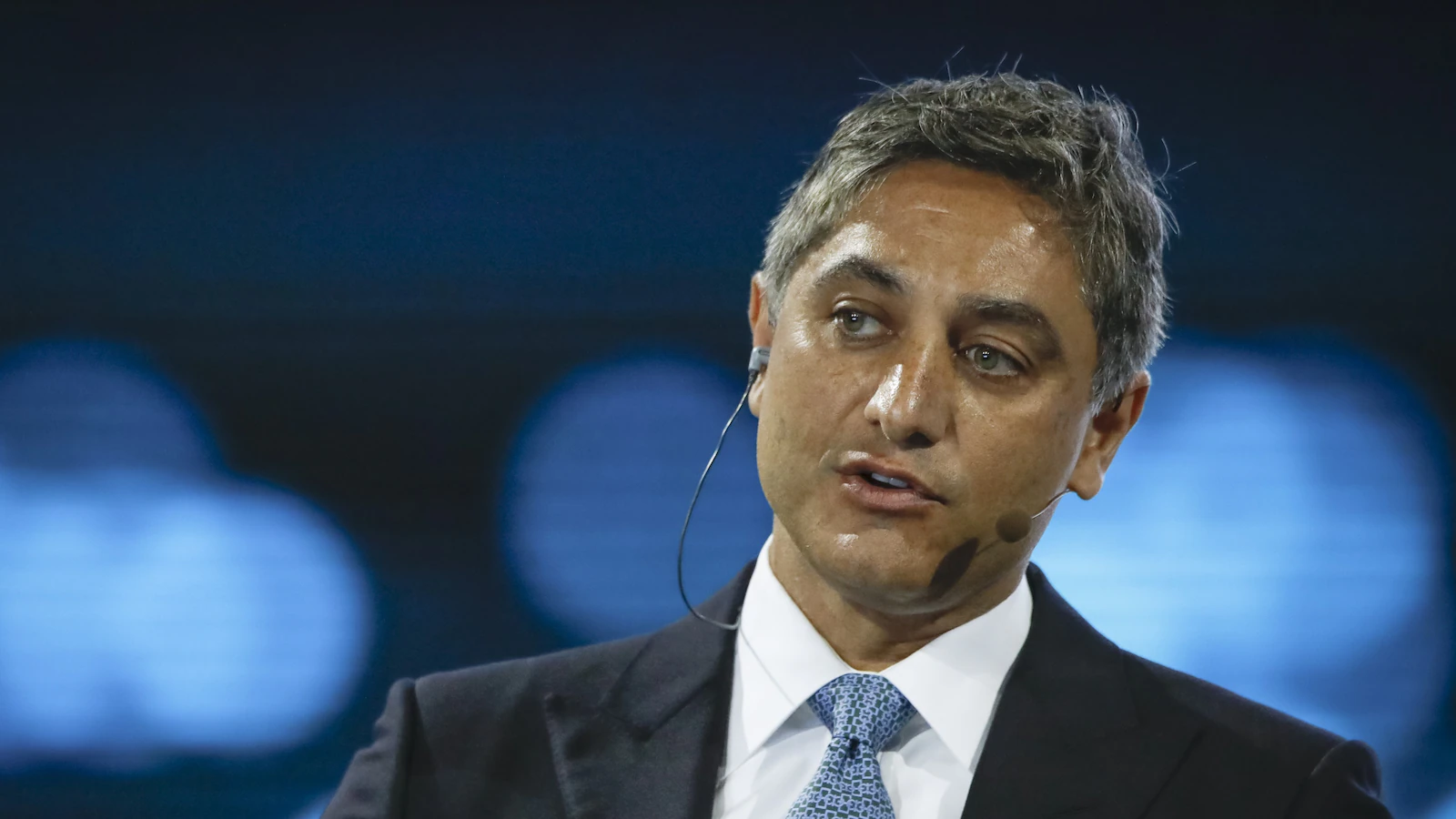
His name is Antonio Gracias. And the upcoming SpaceX IPO could turn him into one of the richest people on the planet.
For years, Gracias remained largely invisible outside Silicon Valley circles. He was never the loudest man in the room. Never the face of the company. Never the one posting on X at 3 am.
But insiders always knew one thing — when Musk needed believers, Gracias was usually there. Now, his loyalty may be worth more than most countries’ GDPs.
SpaceX is reportedly eyeing a valuation that could touch $2 trillion after listing. If that happens, the company’s early investors may witness one of the biggest wealth explosions in modern tech history.
SpaceX IPO: Musk To Become World’s First Trillionaire?
The IPO could push Musk closer to becoming the world’s first trillionaire. His already massive fortune from Tesla, xAI and other ventures may suddenly look small compared to the value unlocked by SpaceX.
The filing revealed Musk controls 85.1 per cent of SpaceX’s voting power through a combination of common shares and super-voting Class B stock. The company has also tied massive future stock awards to impossible-sounding goals — including valuation milestones up to $7.5 trillion and the creation of a permanent human colony on Mars with one million inhabitants.
While it may sound like science fiction, it is already being discussed as a real possibility on the Wall Street. But while the world watches Musk chase Mars, Antonio Gracias may quietly walk away with a fortune of his own.
SpaceX IPO: Who Is Antonio Gracias?
According to IPO-related disclosures, Gracias and his investment firm, Valor Equity Partners, control roughly 7.3 per cent of SpaceX. At a $2 trillion valuation, that stake alone could be worth nearly $128 billion.
This is more than the market value of many global blue-chip companies. And perhaps the most fascinating part of the story is where it began.
Gracias’ father immigrated to the United States from Goa and later worked as a neurosurgeon in Detroit. His mother was a Spanish pharmacist who ran a local pharmacy.
Born and raised in America, Gracias built his career slowly. No flashy startup origin story. No viral TED Talks. He studied economics at Georgetown University, attended law school at University of Chicago and even spent time studying in Japan at Waseda University.
Then came the real turning point.
While still in law school in 1995, he launched MG Capital — the firm that later evolved into Valor Equity Partners. Years later, Valor would become deeply tied to Musk’s empire.
It invested in Tesla. Then SpaceX. Later, xAI. Back in 2008, betting on private space exploration sounded absurd to many investors. Rockets exploded regularly. Profitability looked distant. NASA contracts alone could not guarantee survival.
But Gracias stayed. That early gamble now looks historic.
The IPO filing also offered a rare look into SpaceX’s inner circle. Alongside Musk and President Gwynne Shotwell, the board includes names from venture capital, private equity and Big Tech. But Gracias stands out because of how long he has remained close to Musk’s ecosystem.
And the relationship extends far beyond rockets.
According to reports by Bloomberg, Valor Equity recently helped finance xAI’s massive AI infrastructure expansion. The arrangement reportedly involved purchasing AI chips and data-centre equipment, then leasing them back to xAI.
Those deals alone reportedly generated hundreds of millions of dollars in lease payments across 2025 and early 2026.
SpaceX 2025 Revenue
Notably, SpaceX reported $18.6 billion in revenue last year, though the company still posted heavy losses as it poured money into AI systems, Starlink satellites and future space ambitions.
The company says its long-term mission is nothing less than making humanity “multiplanetary”. That vision includes rockets, AI infrastructure, satellite internet and eventually cities beyond Earth.
It sounds enormous because it is supposed to. And that is exactly why investors are watching this IPO so closely.