 1 / 10
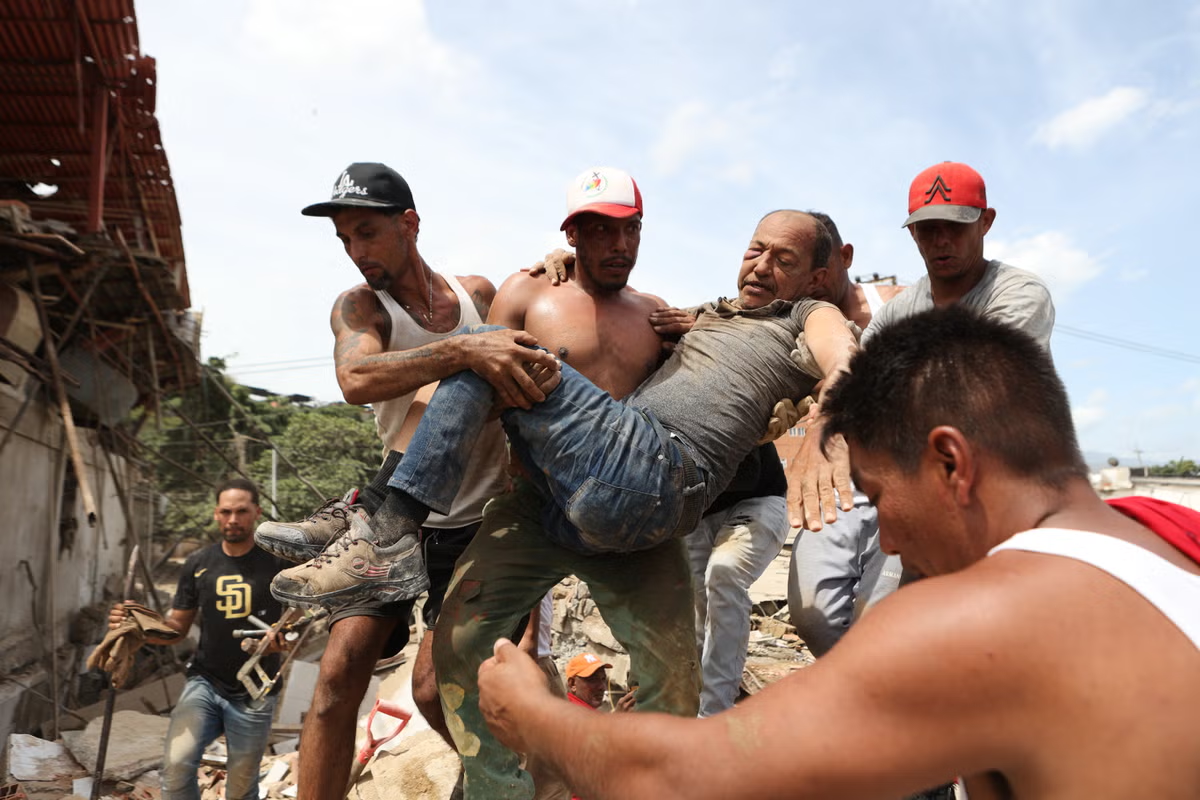
Pacific Warning Signs: Scientists say a potentially strong El Niño is developing in the tropical Pacific Ocean, raising concerns about extreme weather, rising global temperatures and economic disruption worldwide. The US National Oceanic and Atmospheric Administration (NOAA) estimates there is about an 80% chance of El Nino developing by July. Sea surface temperatures across key parts of the equatorial Pacific are rising rapidly, while a large pool of unusually warm water is building below the ocean surface.
 2 / 10
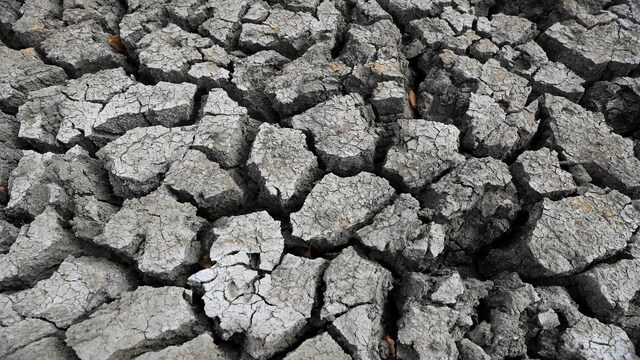
Could It Turn Super: Some forecasting models suggest Pacific Ocean temperatures could rise more than 2 degrees Celsius above average later this year, crossing the threshold often linked to a “super El Nino”. Only three major events — in 1982-83, 1997-98 and 2015-16 — have crossed that level since modern records began in 1877-78. The UK Met Office says the current system could become one of the strongest in decades, although scientists say its eventual strength remains uncertain.
 3 / 10
Why Winds Matter: Scientists say trade winds over the Pacific Ocean will play a major role in deciding how strong this El Nino becomes. Normally, these winds blow from east to west along the equator. When they weaken, warm water spreads eastward and strengthens El Nino conditions. But researchers say the winds remain unpredictable and can strengthen suddenly, slowing or even reversing warming in the Pacific and weakening the developing climate pattern.
 4 / 10
Forecasts Still Unclear: Researchers say El Nino is difficult to predict months in advance because ocean and atmospheric systems interact in complex ways. Forecasting also becomes harder during the Northern Hemisphere spring, a period scientists call the “spring predictability barrier”. NOAA currently estimates about a one-in-three chance that this event could become “very strong”, while some European forecasts project Pacific temperature anomalies close to 3 degrees Celsius by November.
 5 / 10
Heat Risks Rising: El Nino events usually peak between October and February, but their warming effects can continue into following years. Several record-hot years, including 1998, 2010, 2016, 2023 and 2024, either followed or coincided with major El Nino events. Scientists interviewed by AFP said 2027 could potentially become the hottest year recorded globally if the current Pacific warming develops into an extreme El Nino later this year.
6 / 10Climate Change Complication: Scientists are still unclear whether climate change is directly increasing El Nino intensity. The 2023-24 El Nino was weaker than the major events of 1982-83 and 1997-98, making long-term trends difficult to confirm. However, researchers say global warming is increasing the background ocean heat and atmospheric moisture. That means even weaker El Nino events today could produce stronger heatwaves, heavier rainfall, droughts and flooding compared with similar events decades ago.
 7 / 10
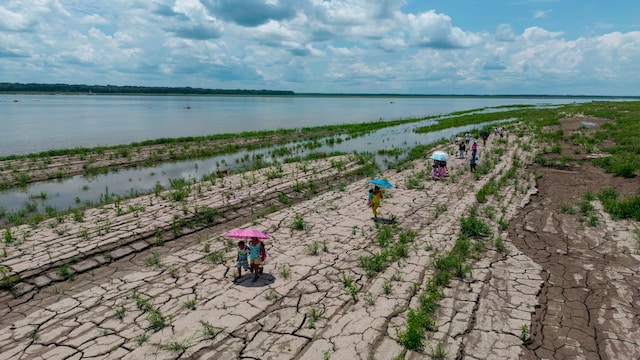
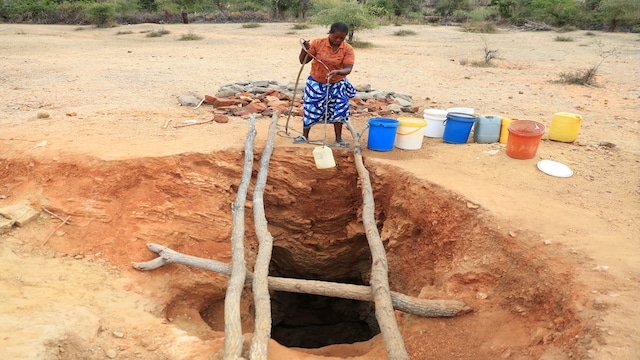
Extreme Weather Threat: Scientists say every El Nino behaves differently, but major events often disrupt weather patterns across many regions. Past episodes have triggered drought in parts of the Amazon, Indonesia and Australia, while weakening Indian monsoons and shifting tropical rainfall. Researchers warn that dry regions could face higher drought and wildfire risks, while other areas may experience intense rainfall, floods, cyclones and sudden weather swings as atmospheric circulation changes.
 8 / 10
Trillions At Stake: Past El Nino events have caused major economic damage by affecting agriculture, fisheries, transport, energy systems and food prices. Studies cited by CNN estimated that the 1982-83 El Nino contributed to about $4.1 trillion in global income losses, while the 1997-98 event caused roughly $5.7 trillion in losses worldwide. Scientists say El Nino does not directly create disasters but increases the likelihood of certain extreme weather conditions developing.
 9 / 10
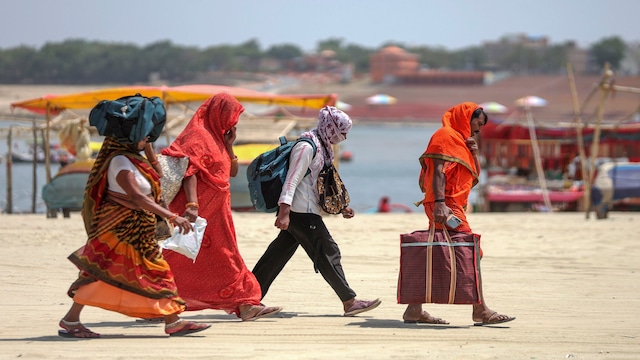
India On Alert: India is considered highly vulnerable because El Nino strongly affects the southwest monsoon, which supports farming, reservoirs and water supplies. The India Meteorological Department has warned that El Nino conditions could weaken the 2026 monsoon and increase drought risks in several states. Scientists also warn that rainfall could become uneven, bringing dry spells to some areas while causing flash floods, heatwaves and water shortages in others.
 10 / 10
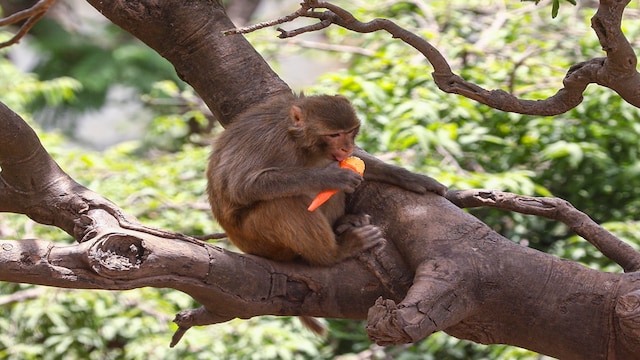
A Different Climate: Scientists say climate change is making older El Nino comparisons less reliable because oceans today are much warmer than in previous decades. Forecast agencies, including NOAA and Australia’s Bureau of Meteorology, are now adjusting calculations to account for background warming and improve forecast accuracy. Even after those adjustments, Australian forecasts suggest Pacific warming could still approach 2.8 degrees Celsius, raising the possibility of a record-strength El Nino event.