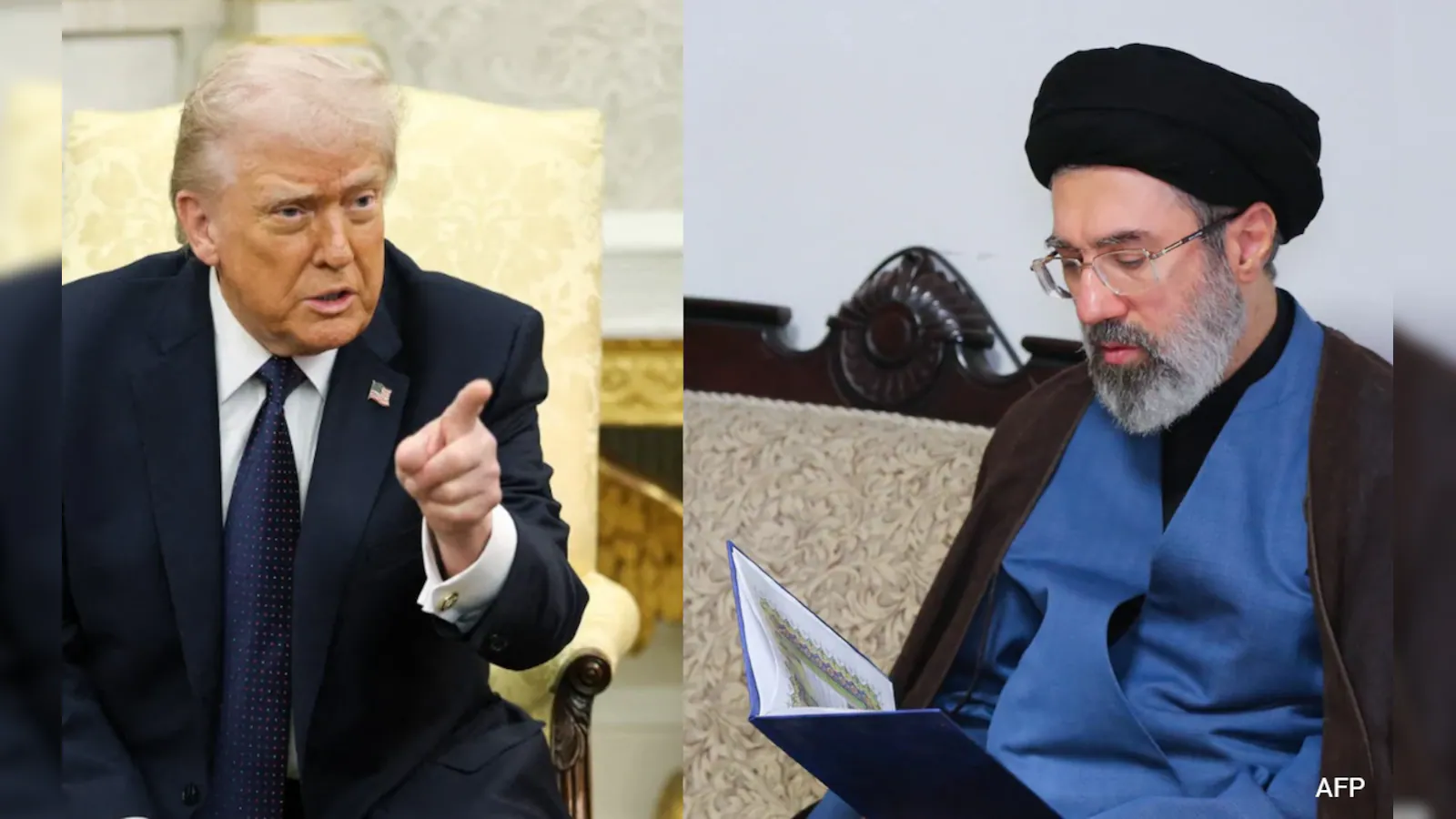
The United States and Iran are reportedly working on a draft plan that could include a $300 billion reconstruction fund for Iran if a final peace agreement is signed.
The proposal envisages that once the conflict ends, the money would be used to rebuild Iran’s damaged economy and infrastructure, including roads, power systems, industries and cities, according to a report by The New York Times.
Officials say this would be an international investment fund, meaning the money could come from multiple countries, with the US helping to facilitate it, according to The Times of Israel.
The fund would be discussed during an initial 60-day negotiation period that would begin if the memorandum is agreed upon.
https://www.timesofisrael.com/liveblog_entry/emerging-us-iran-mou-said-to-reference-possible-300b-postwar-investment-fund-to-aid-tehrans-reconstruction/
The draft agreement under discussion includes several key proposals, according to officials and diplomats who spoke on condition of anonymity. One major element is an end to the war, although it remains unclear how long such a peace arrangement would last.
The agreement may also include a non-aggression pact, under which both the US and Iran would agree not to attack each other. Mediators say the deal could extend beyond bilateral relations and include a broader regional peace plan, potentially involving a halt to fighting in Lebanon.
On the nuclear issue, Iran would agree not to develop nuclear weapons, while both sides would later decide the fate of Iran’s uranium stockpile and enrichment activities in a final agreement. During the negotiation period, Iran would pause or freeze parts of its nuclear programme, and in return, the US would agree not to impose additional sanctions, according to Iran International.
The draft also mentions allowing Iran to continue some oil and petrochemical exports, along with related services. Iran may also permit limited commercial shipping for 30 days while negotiations continue, although a full reopening could take several weeks. Iran has also suggested that US companies, including oil and energy firms, could invest in the country through joint ventures if a deal is reached.
The framework further includes the possibility of releasing Iran’s frozen assets held in foreign banks, estimated at around $24 billion. Iran has insisted that these funds should be released before meaningful negotiations can fully begin.
Officials also say that Israel has recently stepped up military operations against Hezbollah, the Iran-backed group, adding to tensions in the region.
The second phase of negotiations will focus on Iran’s nuclear material stockpile, particularly uranium. Iran is believed to possess about 970 pounds of highly enriched uranium, which could be quickly converted into weapons-grade material, as well as around 10 tonnes of lower-enriched uranium.
Trump initially said the uranium should be transferred to the US. Iran disagrees and wants to keep it inside the country under international monitoring, with part of it diluted and some potentially sent abroad.
Later, Trump said he could also accept alternatives such as diluting the uranium under international supervision or transferring it to another country. However, he does not want it stored in Russia or China.