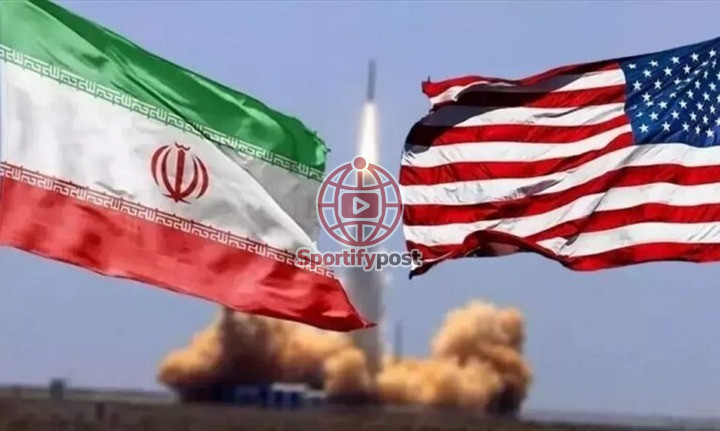
According to the Times of Israel, as Washington and Tehran traded threats, counteroffers and carefully worded signals on Monday, officials on all sides appeared to be preparing for a possibility few in the region want to confront again: another round of war.…....
Behind the scenes, according to officials cited by The New York Times, the United States and Israel have begun what were described as their most extensive military preparations since the fragile April ceasefire halted weeks of fighting with Iran. Israeli Prime Minister Benjamin Netanyahu was expected to convene senior ministers and advisers for another high-level security discussion Monday evening as negotiations showed little sign of stabilizing.
A US official, speaking to Axios, suggested patience inside the White House was running thin. “It’s time for the Iranians to throw bit of candy out,” the official reportedly said. “We need some real, sturdy, and granular conversation [regarding the nuclear program]. If that’s not gonna happen, we will have a conversation through bombs, which will be a shame.”
The warning came as Iran publicly accused Washington of making “excessive” demands while simultaneously hinting that negotiations had not collapsed entirely. Iranian media reported that US President Donald Trump may be willing to freeze sanctions on Iranian oil exports during ongoing talks, a move that would mark a significant concession if confirmed.
Tehran has insisted it will not surrender what it calls its right to nuclear enrichment, even as Western governments point to Iran’s stockpile of highly enriched uranium with growing alarm. Iranian Foreign Ministry spokesman Esmaeil Baghaei said discussions were still moving forward “through the Pakistani mediator,” while warning that Iran remained “fully prepared for any eventuality.”
At the same time, the confrontation is expanding beyond nuclear diplomacy. Iran announced the creation of a new authority to oversee the Strait of Hormuz, the narrow waterway that carries a major share of the world’s oil and gas shipments. The move deepened fears across global energy markets already strained by months of disruption.
Iran also issued a pointed warning to Gulf states over ties with Israel, after reports surfaced that Israeli officials had visited the United Arab Emirates during the conflict. “The countries of the region, including the UAE, should learn from what happened in the last two or three months,” Baghaei said.
For now, diplomacy remains alive, but increasingly overshadowed by military calculations, economic pressure and the sense that the window for compromise may be narrowing.