4 min readMay 19, 2026 11:56 PM IST
The species of Ebola virus causing an outbreak in Congo that has killed more than 130 people is less common than other Ebola viruses, which is complicating the response because there are no specific treatments or vaccines.
“There’s nothing even close to ready for clinical trials,” said Dr. Celine Gounder, an infectious disease specialist and epidemiologist who treated patients in West Africa during the 2014-2016 Ebola epidemic. “And so that means responders, healthcare workers and other aid workers are really back to the basics.”
Dr. Anne Ancia, a World Health Organization representative who spoke to reporters by video from Bunia in eastern Congo, said the Erbevo vaccine — which was used against a different strain of Ebola — was among those being considered for possible use for the outbreak.
A WHO technical committee was meeting later Tuesday to discuss possible options. But even if that vaccine — or another — was approved, it would take two months before it could be available.
Here’s what to know about Bundibugyo virus, the rare species behind the outbreak of what public health officials call Ebola virus disease.
Bundibugyo virus has caused two other outbreaks
Bundibugyo has caused two other outbreaks, all in the same region of the Congo River basin, said Dr. Tom Ksiazek, a University of Texas Medical Branch virologist and veterinarian. He directed the U.S. Centers for Disease Control and Prevention’s Special Pathogens Branch, which first identified the virus in 2007.
How Bundibugyo virus is spread
The virus is spread the same way as other Ebola viruses: through close contact with sick or deceased patients’ bodily fluids, such as sweat, blood, feces or vomit. Healthcare workers and family members caring for sick patients face the highest risk, experts said.
Story continues below this ad
“So very often we see doctors and nurses among the first to be infected and to die,” said Gounder, editor-at-large for public health at KFF Health News.
Bundibugyo may be less lethal than other Ebola species but it is still extremely dangerous
From the few outbreaks health experts have seen, Bundibugyo might be slightly less deadly than what is often called Zaire virus, the most common species.
“I think a 30%-plus mortality rate is still quite scary, but it’s hard to say with a lot of precision because we don’t have a lot of experience,” Gounder said.
How people with Bundibugyo are cared for if there are no treatments or vaccines
In the other two Bundibugyo outbreaks, initial cases were identified early, Ksiazek said, allowing for a quick public health response: getting healthcare workers proper protective equipment, finding and isolating people who were exposed and offering supportive medical care to patients. Proper medical care “reduces mortality significantly,” he said.
Story continues below this ad
That includes giving patients lots of IV or oral fluids, Gounder said.
How public health workers are trying to contain the outbreak
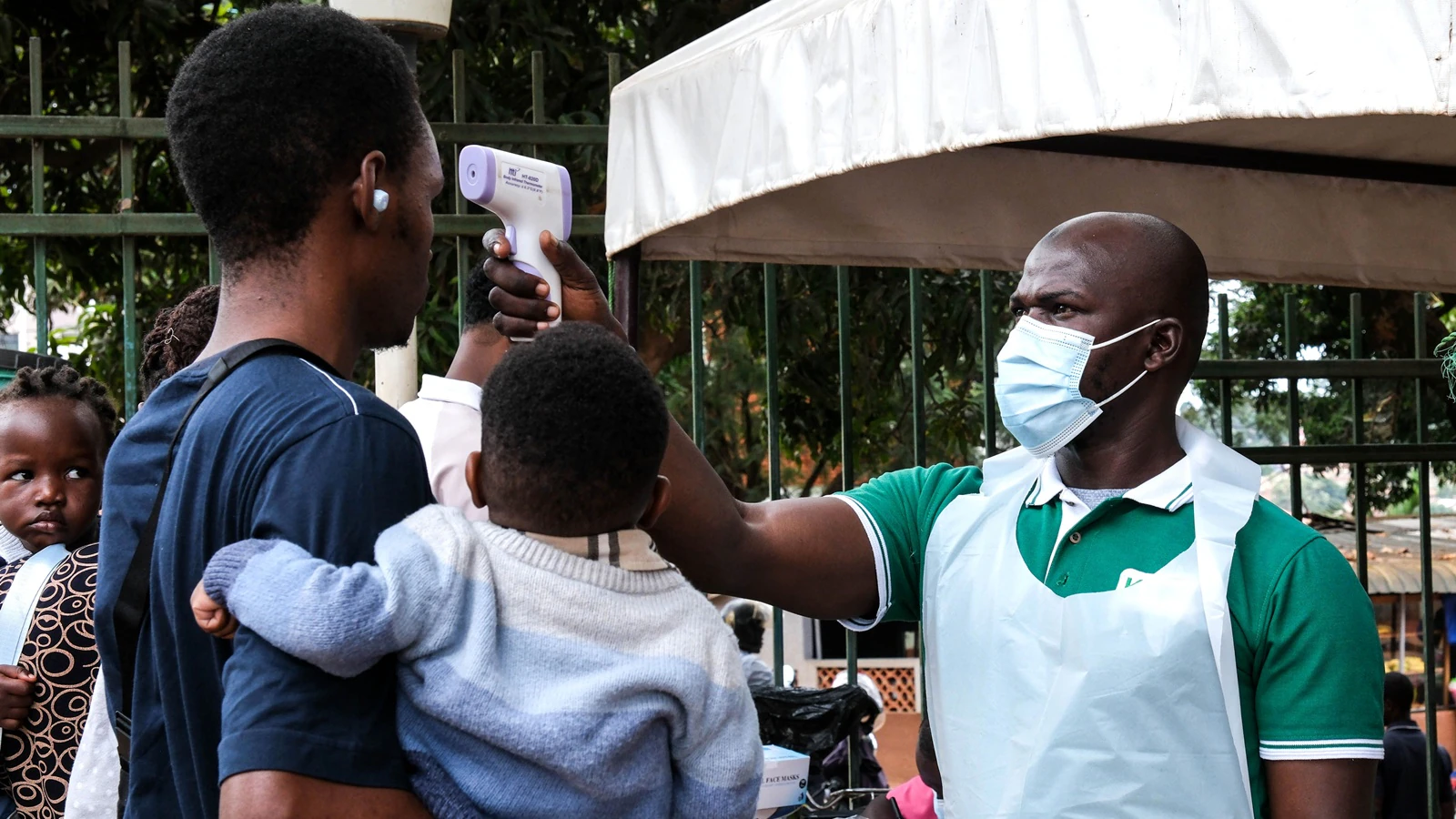
Health workers are now working to find and isolate cases, trace their contacts and educate people about how to avoid the virus.
In the West African epidemic, ensuring safe methods of burial was key to stopping the spread, said Gounder, because people were getting sick from preparing their loved ones’ bodies for funeral rites. Making sure health workers have proper protective equipment is also critical, experts said.
“Of course, it’s problematic because vaccines are some of our best tools for combating infectious diseases,” said Lina Moses, an epidemiologist and disease ecologist at Tulane University. But other public health tools — public education, contact tracing, quick testing — still work, she said.
Story continues below this ad
“It’s important to keep in mind that every single Ebola outbreak that has occurred in the (Democratic Republic of the Congo) — we’re on our 17th now — has been stopped,” she said.