With one of the largest youth populations in the world, Nigeria is a key focus for the industry and must scale up tobacco control strategies to prevent the spread of these products.
Each year on 31 May, World No Tobacco Day highlights the health, social, economic, and environmental consequences of tobacco use. This year’s theme, “Unmasking the appeal: Countering nicotine and tobacco addiction,” emphasises the growing and troubling trend of the tobacco and nicotine industry targeting children and adolescents.
Tobacco use remains a leading risk factor for Noncommunicable Diseases (NCDs) such as cancer, cardiovascular diseases, chronic respiratory illnesses, and diabetes. These conditions continue to place enormous strain on families, communities, and already burdened health systems.
Globally, tobacco use has declined significantly, from 1.38 billion users in 2000 to around 1.2 billion in 2024-reflecting the impact of stronger policies, higher taxation, and comprehensive implementation of the WHO Framework Convention on Tobacco Control. However, progress remains uneven and insufficient to meet global reduction targets, with one in five adults still using tobacco. As public health measures advance, the industry continues to reinvent and repackage its products, including new and emerging nicotine and tobacco products to sustain addiction and recruit new users, including millions of adolescents, thereby sustaining addiction, recruiting new users, and risking a new wave of nicotine dependence that could undermine hard-won gains in tobacco control.
Products such as e-cigarettes or vapes, water pipes, shisha, nicotine pouches, heated tobacco products, etc., are often marketed as modern, fashionable, and less harmful alternatives. Behind these appealing branding and marketing lies a deliberate effort to attract a new generation to nicotine addiction through disinformation. We cannot allow a new generation to become dependent on nicotine, a highly addictive stimulant that can affect brain development and increase vulnerability to other forms of substance dependence.
The story of Audu, a 21-year-old from a community near the Federal Capital Territory, Abuja, illustrates the profound impact of early tobacco addiction. After developing lung disease at a young age, his illness was attributed to early use of tobacco products. The resulting health consequences disrupted his education and prevented him from fully participating in typical youth experiences.
Current statistics highlight the severity of the issue. Globally, at least 40 million children aged 13 to 15 currently use at least one tobacco product. Over 15 million adolescents already use e-cigarettes, and in many countries, children are more likely than adults to use e-cigarettes. The industry targets children and young adults through producing fruit and candy flavours, sleek packaging, digital marketing, celebrity endorsements, and social media campaigns that portray nicotine use as trendy and harmless.
Nigeria also faces this escalating threat. With one of the largest youth populations in the world, Nigeria is a key focus for the industry and must scale up tobacco control strategies to prevent the spread of these products. The availability of e-cigarettes and other nicotine products, especially through online platforms and informal markets, poses significant public health risks.
The country has implemented significant tobacco control measures, including the National Tobacco Control Act and regulations aligned with the WHO Framework Convention on Tobacco Control. These initiatives have involved sponsorship and enhanced public awareness of the risks associated with the use of these products
Every year, the WHO honours individuals and organisations from each of the six WHO regions for their outstanding contributions to tobacco control. This year, the Nigeria Film and Video Censors Board (NFVCB) is one of the recipients of the 2026 World No Tobacco Day Awards in the African Region. The board has been recognised for prohibiting the promotion and glamourisation of tobacco and nicotine products in Nigerian films, music videos and skits.
The rapidly evolving nicotine market requires renewed and timely action. Therefore, there is more work to be done.
First, there is an urgent need to raise awareness of the tobacco and nicotine industry’s evolving strategies, including the use of synthetic nicotine, nicotine salts, and analogues to increase addiction potential while appearing technologically advanced. In this regard, parents, teachers, religious leaders, youth organisations, healthcare professionals, and the media all play essential roles. Young people need accurate information to resist manipulation and make informed health decisions.
The next step is to advocate for stronger policy action to protect youth through bans on flavours, advertising, and promotion (including on digital and social media), and regulation of packaging and product design that increase appeal.
Lastly is the need to address regulatory gaps that allow emerging nicotine products to be marketed to children and adolescents. This requires stricter regulation of flavours, packaging, digital advertising, and online sales targeting youth. Social media platforms should not function as channels for nicotine promotion disguised as lifestyle content.
As we mark 2026 World No Tobacco Day, let us all unite to safeguard future generations from the harms of tobacco and nicotine addiction. A healthier, tobacco- and nicotine-free Nigeria is achievable if we act decisively and collectively, starting now.
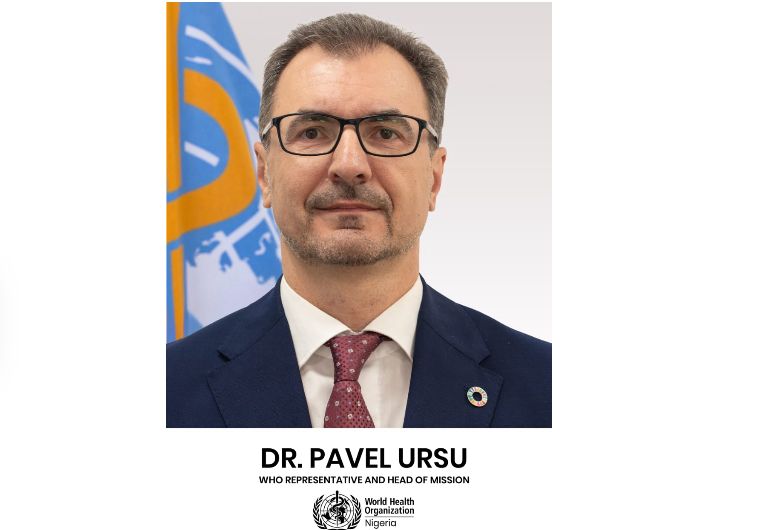
Dr Pavel Ursu is the Nigeria Country Representative of the World Health Organisation.