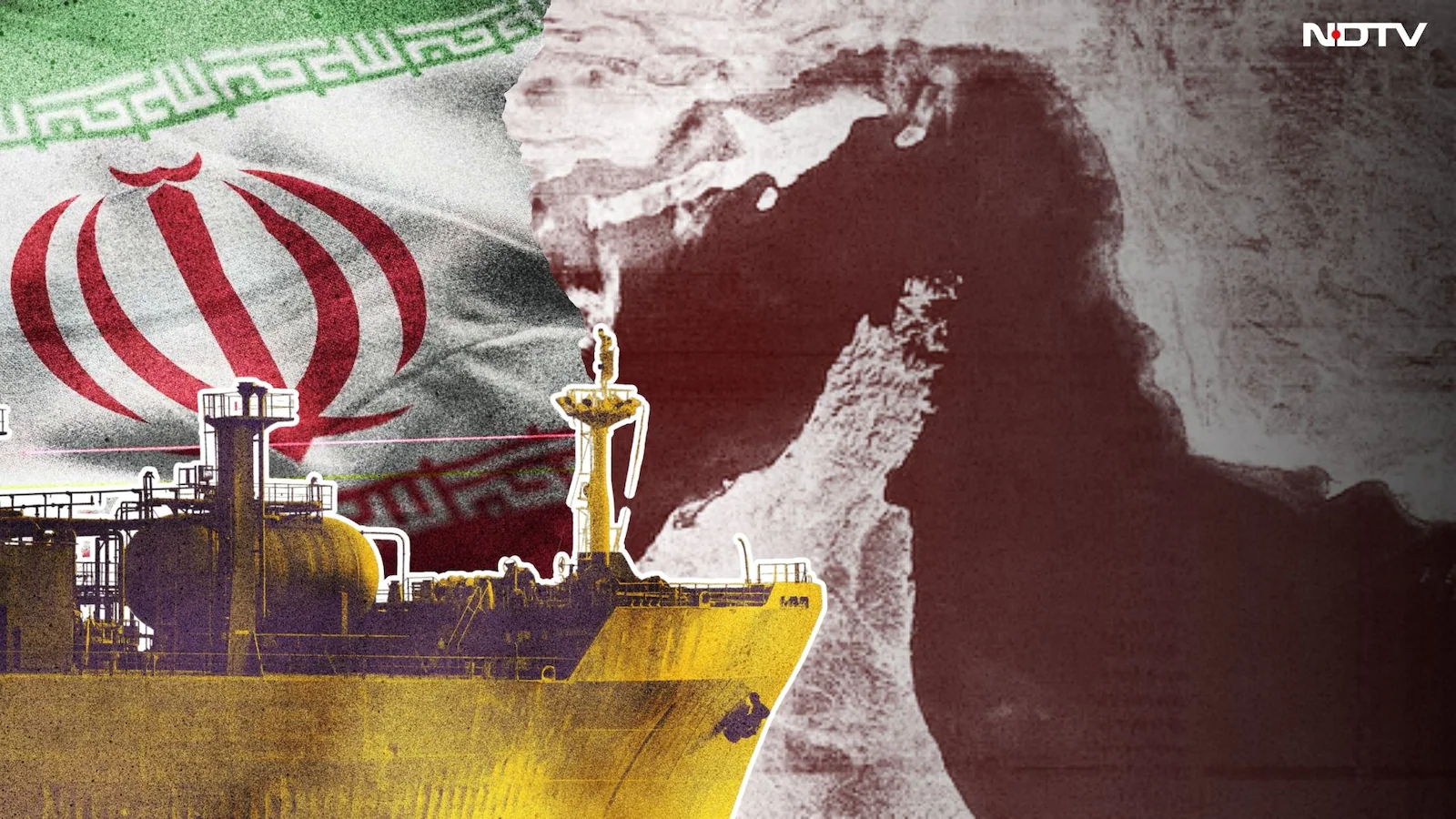
Ship movement through the Strait of Hormuz has shown signs of recovery after months of disruption linked to the Iran war and rising regional tensions.
Data from maritime intelligence firm Kpler shows vessel crossings through the key waterway jumped 105 per cent on June 24, 2026, reaching 70 crossings. Of these, 53 were commercial vessels, with most considered low-risk ships. The rise came as more vessels began using routes cleared through ongoing demining efforts and passages supported by Oman.
The increase suggests a possible easing of tensions and growing confidence among shipping operators. The rebound followed the US-Iran memorandum of understanding and the apparent end of the US naval blockade that had restricted movement in the region.
Hormuz traffic sees a sharp d/d uptick
Confirmed Strait of Hormuz crossings rose to 70 on 24 June, up 105% day on day, as demining efforts advanced and operators increasingly used the Omani route. Commercial traffic accounted for most activity, with 53 transits, while low-risk… pic.twitter.com/Afhj0gqoHt
— Kpler (@Kpler) June 25, 2026
However, experts caution that normal traffic has not fully returned. Concerns remain over warnings from Iran’s Islamic Revolutionary Guard Corps (IRGC), vessels using less visible tracking methods, incomplete demining work, and unresolved issues linked to sanctions and future control of the waterway.
The IRGC has warned commercial ships against using any route through the Strait of Hormuz unless it is approved by Tehran, creating fresh tensions as the United States and Iran continue fragile talks over the strategic waterway.
The warning came after Oman announced a new shipping corridor through the strait on Wednesday. Oman said the route was developed in coordination with the International Maritime Organisation (IMO) to help restore safer movement of vessels after weeks of disruption.
However, the IRGC objected to the move, claiming Iran was not consulted before the route was announced.
“Certain authorities have announced a new shipping route through the Strait of Hormuz without prior notification to or coordination with the Islamic Republic of Iran. The proposed route is unacceptable and poses serious safety risks,” the force said.
The IRGC further stated, “The only authorised transit routes through the Strait of Hormuz are those designated by the Islamic Republic of Iran,” and said ships passing through the waterway must remain in contact with the IRGC Navy.
Oman Defends New Shipping Corridor
Oman defended the newly announced route, saying it was created to support safe navigation and follow international rules.
Foreign Minister Badr Albusaidi said Oman would continue working to ensure freedom of movement through the strait. He also clarified that “future arrangements related to the strait do not involve imposing any transit fees”.
The Strait of Hormuz remains one of the world’s most important shipping routes, carrying a major share of global energy supplies. The disagreement comes as commercial traffic slowly begins to recover following recent tensions in the region.
The developments come as Washington and Tehran continue talks over their temporary agreement aimed at ending the Iran war permanently. Under the deal, both sides have a 60-day window to finalise details, but public statements from leaders on both sides have added uncertainty around the fragile arrangement.
Cargo Ship Attacked On Hormuz
Meanwhile, a cargo ship travelling through a United Nations-backed route in the Strait of Hormuz was hit by a projectile on Thursday, according to the British military. The attacker and the type of vessel involved remain unclear.
The United Kingdom Maritime Trade Operations centre said the ship suffered damage, but there were no casualties or environmental impact reported. The incident came hours after Iran warned vessels against using the strait without Tehran’s approval.
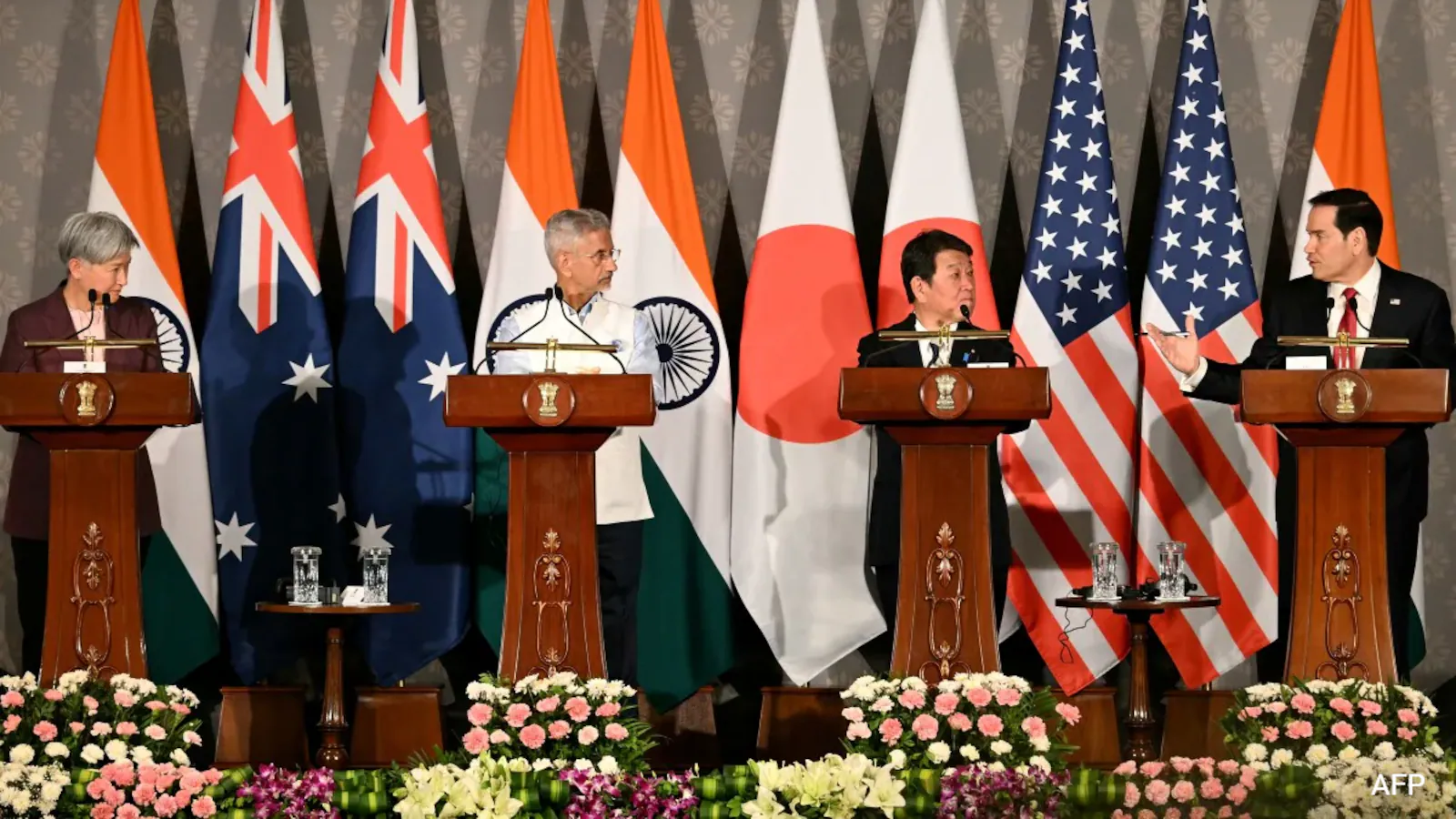
The reopening of an alternative route through the waterway could reduce pressure on global trade and weaken Iran’s leverage in negotiations. US Secretary of State Marco Rubio, during a Gulf visit, said Washington was committed to ensuring ships could continue moving through the strait.
“If that stops, then we’re going to have a problem,” Rubio said earlier Thursday.
Although shipping activity has improved, traffic remains below pre-conflict levels. Oil prices also briefly fell below the pre-war level of nearly $73 per barrel, signalling that markets are beginning to expect greater stability.